
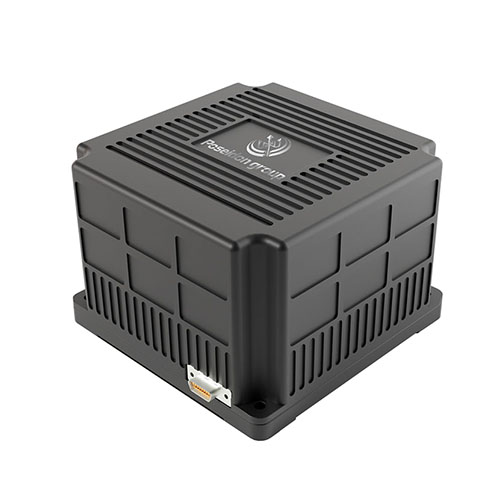
 TBSD60
 BSD120
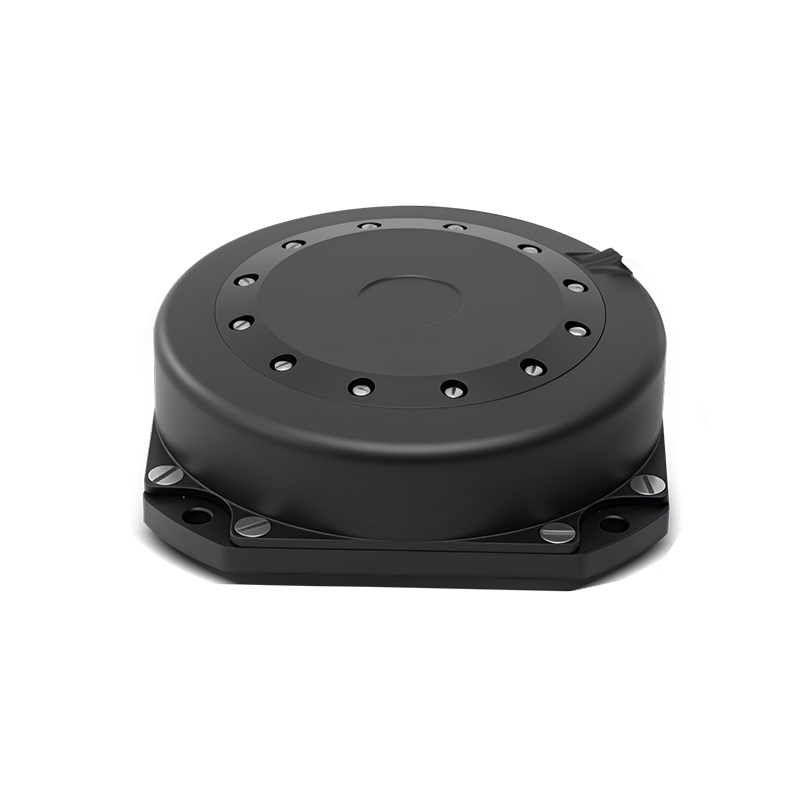 BSD98
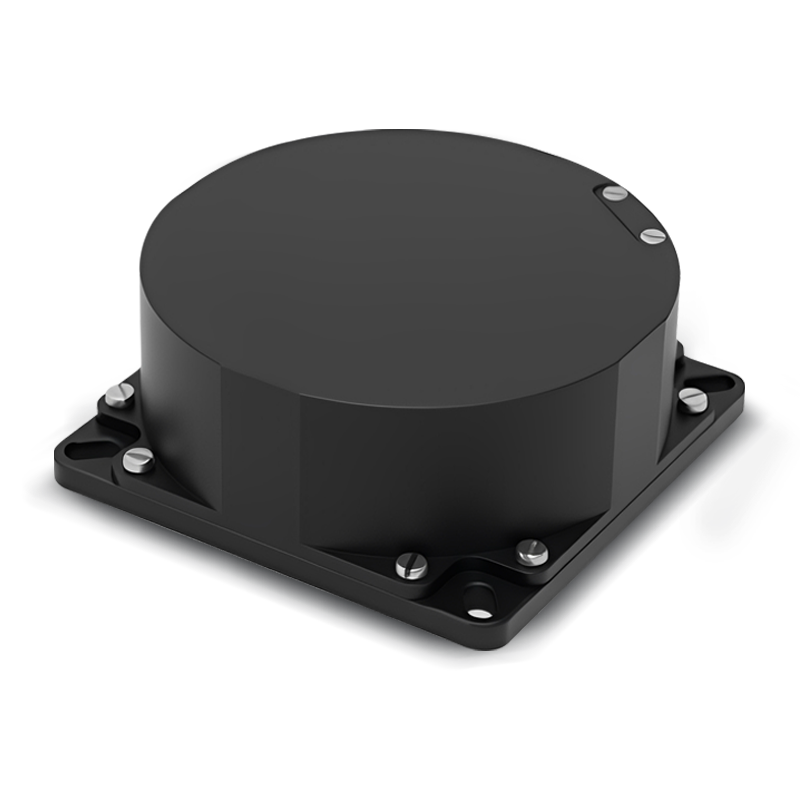 BSD70
 BSD60
 BSD50
 BSD217
 INS1700
 INS970
 INS570
 INS170
 SLA-4B1L1-65
 SLA-8B1L1-110
 SLA-4B1L1-130
 SLA-16B1L1-160
 SLA-8B1L1-165
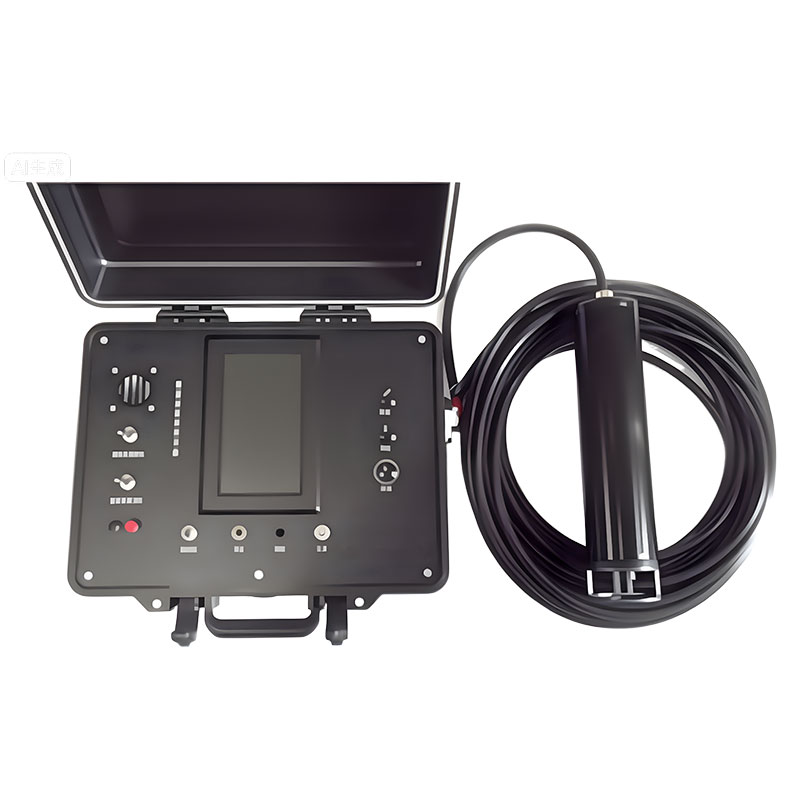 101 Vessel-mounted Positioning
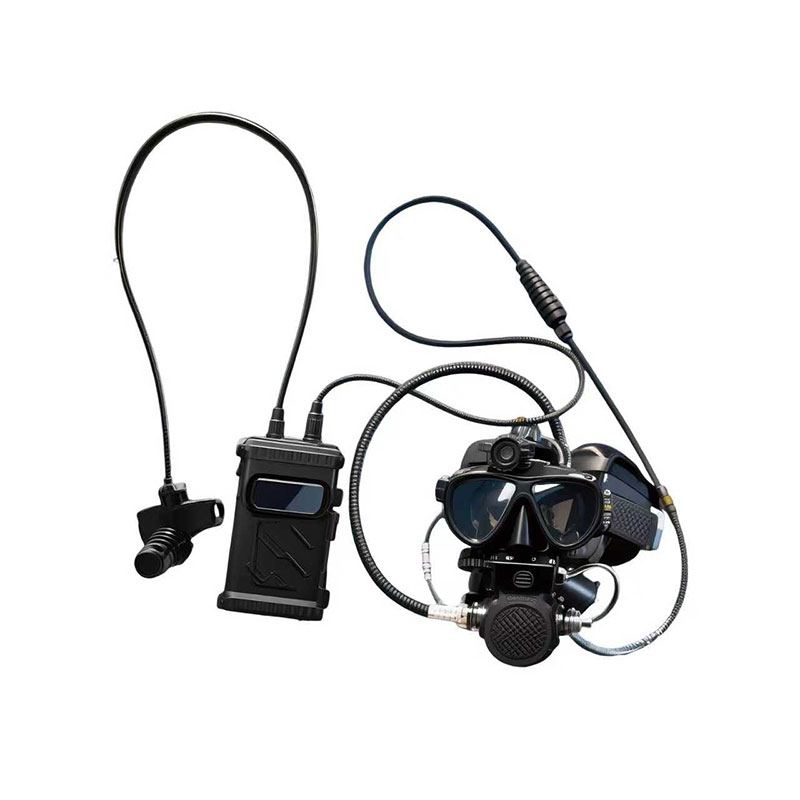 102 Acoustic Communication
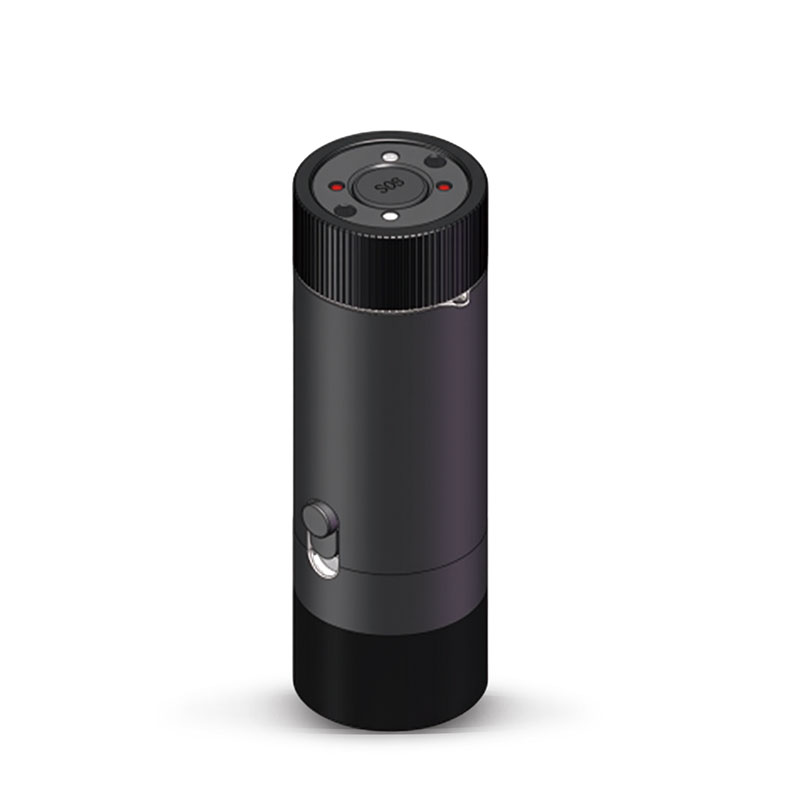 103 Tracking and Locating
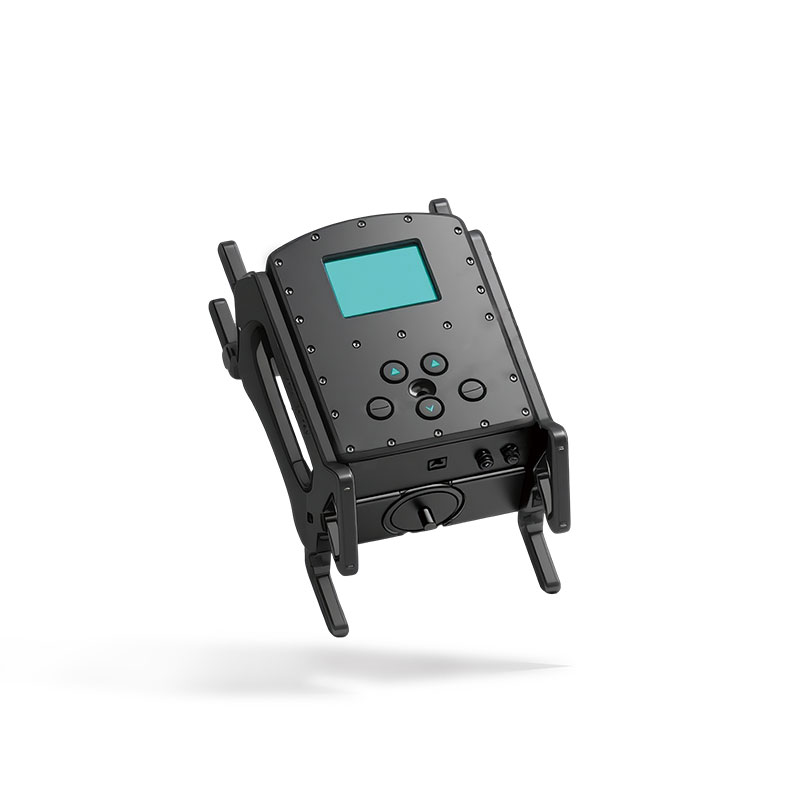 104 Diver Navigation System
 105 Intrusion Detection Sonar
 106 Delivery Locator Beacon
 SLLR3000
 SLLR905
 SLLD25
 108IMU
 150M
 500MH
 160M
 170M
 SLFC-70
 SLAF280
 MR360







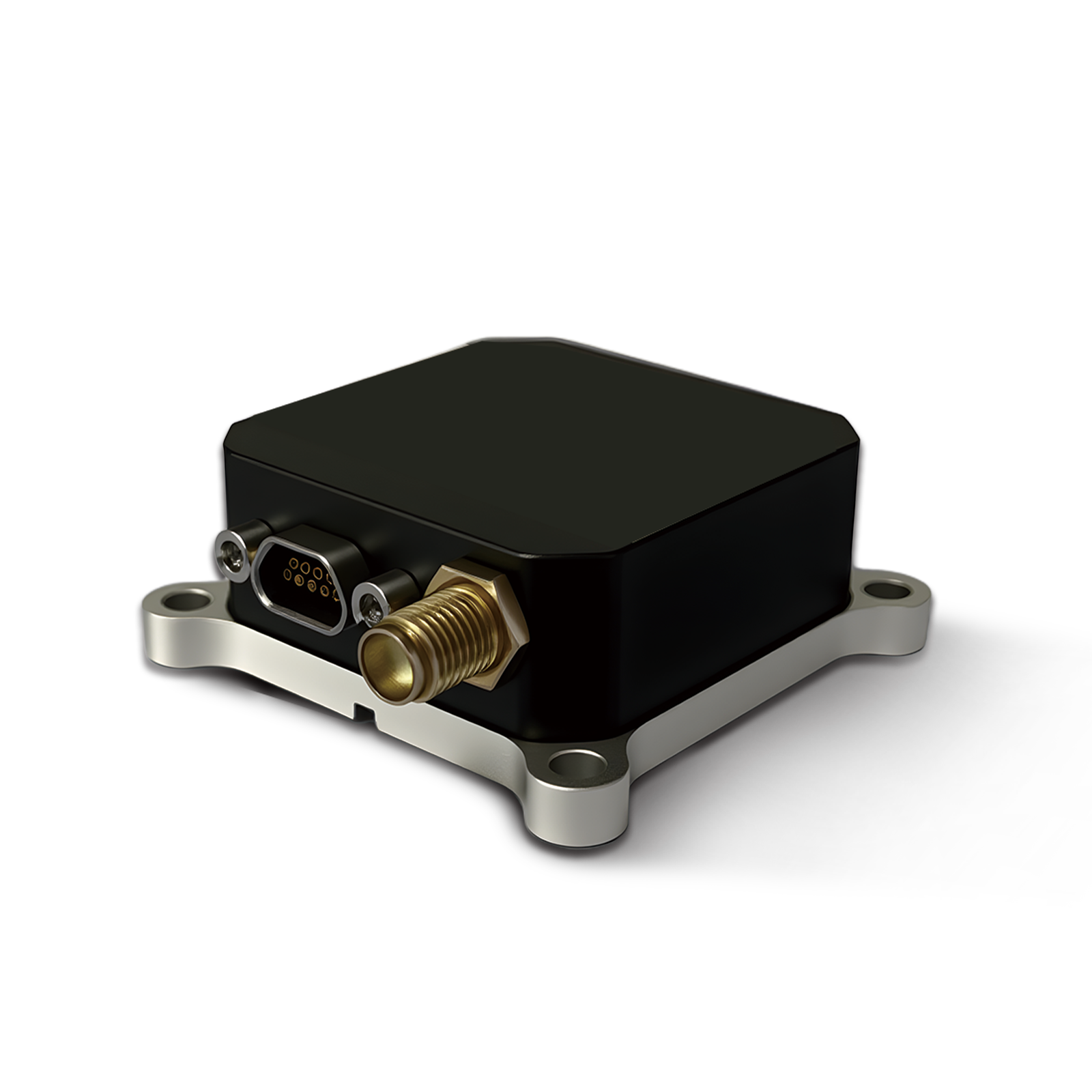
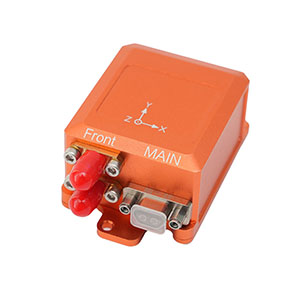
160M MEMS Navigation: Small Size for Embedded Systems
Navigation equipment is becoming smaller as autonomous vehicles, robotics, industrial equipment, and unmanned platforms become more compact. For system designers, reducing sensor size can make integration easier, but the navigation system still needs to provide stable heading and attitude information.
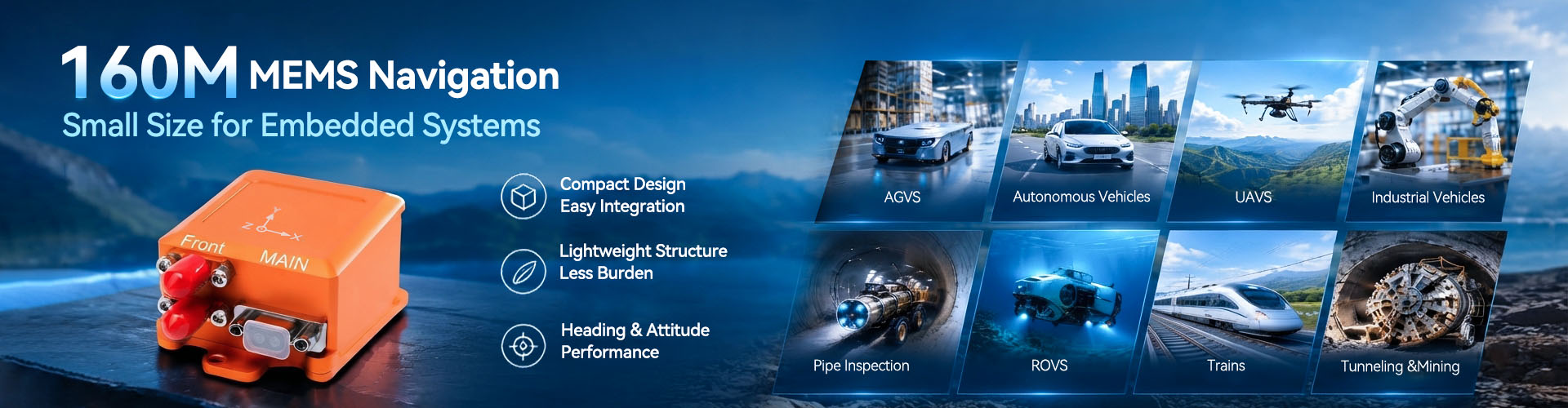
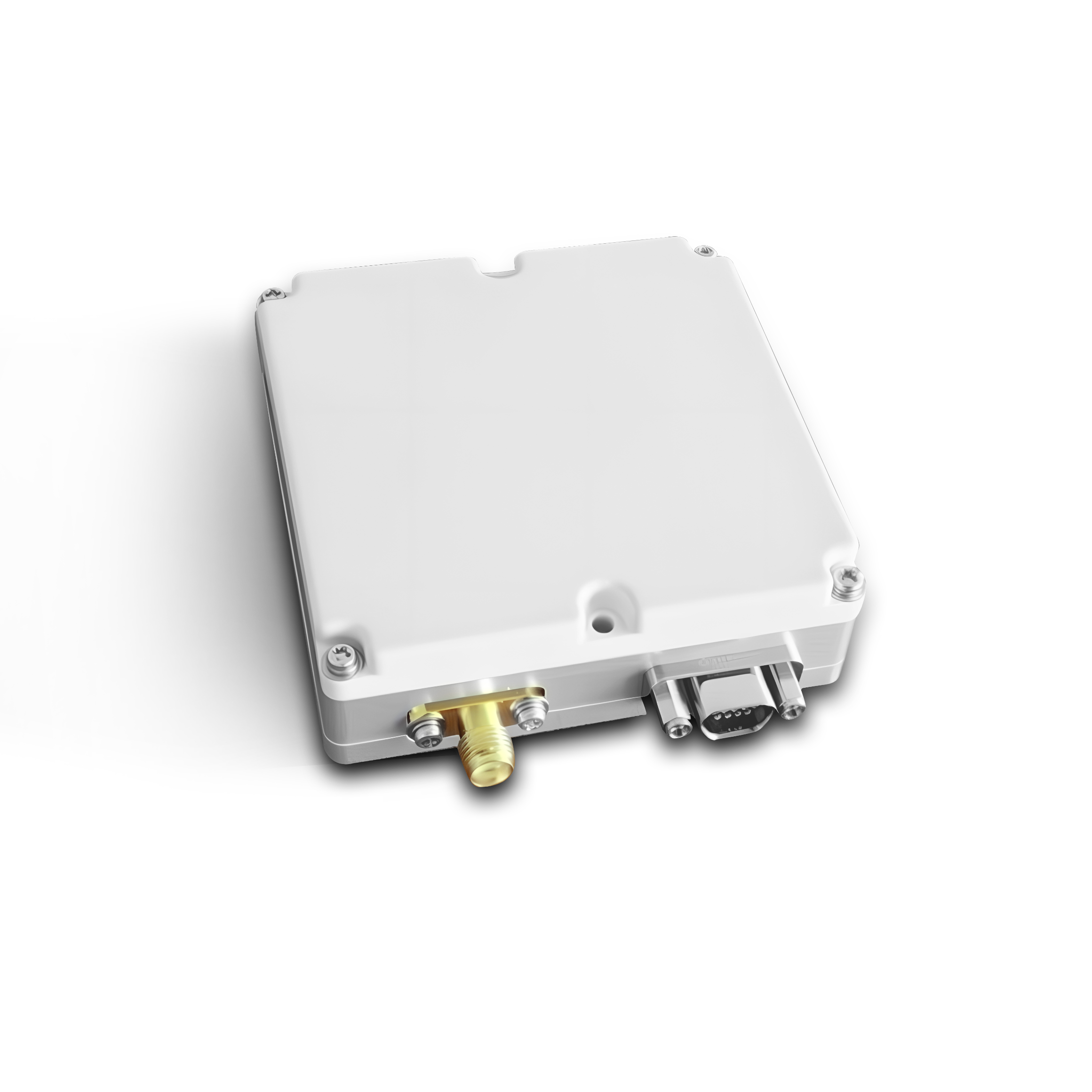
The 160M MEMS Navigation system is designed around this requirement. Poseidon's product information describes it as a very small and lightweight MEMS navigation product, with listed heading and attitude performance of 0.1°. It is designed for applications including AGVs, autonomous vehicles, gimbals, helicopters, industrial vehicles, pipe inspection, ROVs, trains, tunneling and mining, and UAVs.
Why Size Matters in Navigation Design
In many embedded systems, space is limited.
A navigation module may need to share an enclosure with controllers, communication equipment, batteries, actuators, or other sensors. A larger navigation unit can therefore increase mechanical design work and affect the overall product structure.
For this reason, compact navigation products can be valuable for equipment manufacturers developing smaller platforms.
The 160M is positioned as a very small and lightweight MEMS navigation product, making physical integration an important part of its application value.
Heading and Attitude in One System
A navigation module needs to provide more than basic position information.
For mobile equipment, heading and attitude can be important for understanding how the platform is oriented during movement.
The 160M lists 0.1° heading and 0.1° attitude performance on its product page.
For B2B buyers, these figures should be evaluated against the actual requirements of the final equipment.
A pipe inspection robot, for example, may have different navigation requirements from an AGV or UAV. The operating environment, movement pattern, control system, and required positioning accuracy all influence product selection.
Suitable for Embedded Platforms
One of the key application characteristics of the 160M is its broad range of compact platform applications.
The product page lists AGVs, autonomous vehicles, industrial vehicles, gimbals, helicopters, pipe inspection systems, ROVs, trains, tunneling and mining equipment, and UAVs.
These applications share a common requirement: the navigation component must operate as part of a larger system rather than as an independent device.
This makes interface compatibility and system integration important procurement considerations.
Compact Does Not Mean One-Size-Fits-All
B2B buyers should not select a navigation system based on physical size alone.
A compact module may simplify mechanical integration, but engineers still need to evaluate heading accuracy, attitude performance, environmental requirements, communication interfaces, power consumption, and operating conditions.
The right product should match the complete system specification.
Applications Beyond Traditional Navigation
Compact MEMS navigation can also support applications where traditional navigation equipment may be difficult to install.
For example, pipe inspection systems and small autonomous vehicles often have limited internal space. A smaller navigation module can provide designers with more flexibility when arranging other components.
In industrial automation, the navigation system may also work alongside control systems and other sensors to support positioning and movement management.
What Should Buyers Check?
Before purchasing a 160M MEMS navigation system, procurement and engineering teams should confirm:
- Required heading and attitude performance
- Available installation space
- Weight limitations
- Communication interface
- Power requirements
- Operating temperature
- Platform movement characteristics
- Compatibility with other sensors
This approach helps buyers avoid selecting a product simply because it has a compact form factor.
Conclusion
Compact navigation is becoming increasingly important for embedded and autonomous systems.
With its small and lightweight design and listed 0.1° heading and attitude performance, 160M MEMS Navigation from Poseidon International Group can be considered for applications ranging from AGVs and industrial vehicles to UAVs, ROVs, and inspection systems.
For B2B buyers, the most important step is to compare the module's physical and navigation characteristics with the complete requirements of the target platform.