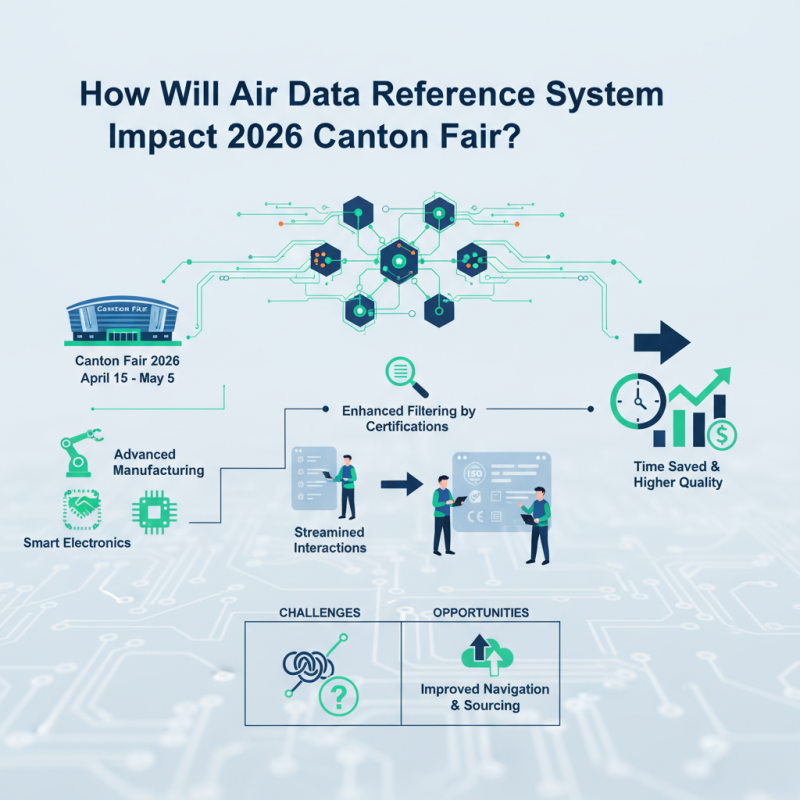
So, big news for the upcoming 2026 Canton Fair — they’re rolling out the new Air Data Reference System (ADRS). It’s a game-changer, for sure. This event, which happens every two years (can you believe it’s already the 139th one?), runs from April 15 to May 5 and showcases all sorts of cutting-edge stuff like advanced manufacturing and smart electronics. With over 1.55 million square meters of exhibition space, having ADRS in the mix is expected to make everything run way more smoothly. Experts are saying that adopting such advanced tech could really streamline the whole process — no more wasting time on unnecessary stuff.
James Miller, a seasoned pro from Tech Innovations Inc., put it nicely when he said, “The Air Data Reference System is going to change how exhibitors and buyers connect and deal with each other.” Thanks to the improved AI features, buyers can now quickly filter suppliers based on certifications like ISO and CE, making their search way more efficient. Honestly, it’s a win-win, saving everyone time plus helping people find better, more reliable partners.
Of course, it's not all smooth sailing yet. Some exhibitors might find the early days of using ADRS a bit tricky or disruptive—they’re used to the old ways, after all. Not everyone will jump onboard right away, that’s for sure. Still, the upside is pretty clear: better navigation, smarter sourcing, and a more data-driven approach to doing business at this huge event. It’s definitely pointing toward a future where tech plays a major role in trade shows, and honestly, I think that’s pretty exciting.
Impact of Air Data Reference System on Trade Efficiency at Canton Fair
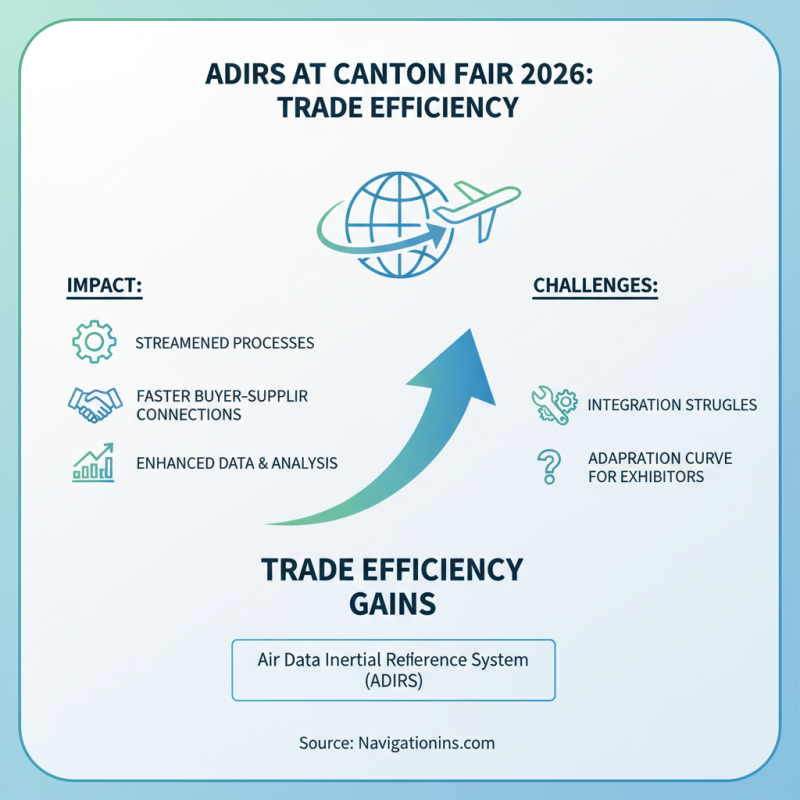
The Air Data Inertial Reference System (ADIRS) is poised to change the landscape of trade at the 2026 Canton Fair. This innovative system enhances data collection and analysis, streamlining processes. Efficient trade can facilitate faster connections between suppliers and buyers. However, not all participants may adapt quickly to this shift. Some exhibitors could struggle to integrate the new technology.
Trade efficiency will improve as ADIRS enables real-time data sharing. This fosters better decision-making and precise logistics planning. Exhibitors will likely see faster responses to inquiries and orders. Yet, there are potential drawbacks. Participants who do not harness this data tool may lag behind their competitors.
Tips: Embrace new technology. Attend workshops on ADIRS implementation. Stay updated on industry standards. Being proactive can minimize disruption during the transition. Additionally, consider the adaptability of your team. They will need training to utilize the ADIRS effectively. Establishing clear communication channels can ease the learning curve.
Potential for Enhanced Logistics Management through Air Data Systems
The 2026 Canton Fair is on the horizon, and air data systems are set to revolutionize logistics management. These systems can enhance data collection and processing, streamlining operations. Accurate information flow allows for timely decision-making. As vendors face increased demand, efficiency becomes crucial.
A practical approach involves integrating air data systems with existing logistics tools. Real-time tracking can minimize delays and improve inventory management. Imagine knowing the exact location of each shipment, reducing uncertainty. This visibility ensures better communication between suppliers and customers. However, technology can sometimes fail to deliver as expected. There may be glitches that require troubleshooting.
Tips for businesses: Start small. Test air data systems in select areas before a full rollout. Train your team to embrace these new tools. Encourage feedback to identify issues early. Understand that adaptation takes time. Data accuracy is vital, but challenges will arise. Continuous monitoring and adjustments will enhance your logistics strategy. With careful planning, the Canton Fair can thrive on this technological innovation.
How Will Air Data Reference System Impact 2026 Canton Fair?
| Aspect |
Impact Description |
Potential Benefits |
Implementation Challenges |
| Logistics Efficiency |
Real-time tracking of shipments |
Reduced delays and faster delivery |
Integration with existing systems |
| Data Accuracy |
Improved precision of air data collection |
Better decision-making capabilities |
Initial investment in technology |
| Cost Management |
Streamlined processes reduce operational costs |
Increased profit margins |
Training staff on new systems |
| Sustainability |
Reduction of carbon footprint through optimized routes |
Enhanced corporate responsibility image |
Regulatory compliance with environmental standards |
Influence on International Trade Regulations and Compliance in 2026
The Air Data Reference System represents a significant shift in how international trade regulations will be approached in 2026. Trade compliance becomes more stringent with advanced measurement technologies. According to a recent industry report, companies can face fines of up to 25% for non-compliance. This highlights the necessity of adopting the Air Data Reference Unit for accurate reporting.
As businesses prepare for the 2026 Canton Fair, they must rethink their compliance strategies. An estimated 70% of organizations lack the necessary tools for effective data management. This gap impedes their ability to meet regulatory demands. The Air Data Reference Unit can bridge this divide, enabling precise air data collection. Accurate records can significantly reduce compliance risks.
However, transitioning to this system is challenging. Companies may struggle to train their workforce adequately. A robust educational initiative is necessary to ensure everyone understands the importance of the new metrics. A report states that over 60% of employees feel unprepared for such changes. There is a clear need to foster an environment open to learning.
Evolution of User Experience for Exhibitors and Attendees at Canton Fair
The 2026 Canton Fair is set to revolutionize the experience for both exhibitors and attendees. With the advent of the Air Data Reference System, the interaction dynamics will significantly change. This system leverages real-time data to optimize booth placements, foot traffic, and audience engagement. A recent report from the Global Exhibition Industry shows that 70% of visitors want a seamless and efficient experience.
For exhibitors, the enhancement in data utilization could lead to more targeted marketing efforts. According to an industry analysis, 65% of exhibitors have expressed interest in tools that offer actionable insights on visitor preferences. However, the transition to this technology may not be smooth. Some exhibitors may struggle to adapt to new systems or fail to leverage available data effectively.
Attendees will also benefit from an improved user experience. The introduction of interactive digital tools will facilitate better navigation through the fair. Yet, challenges remain. Not all attendees may have access to the latest devices, potentially leading to a divide in experience quality. Balancing technology and accessibility is crucial for a successful event. The evolution of Canton Fair underlines the need for ongoing adaptation and reflection on both sides of the aisle.
Impact of Air Data Reference System on User Experience at the 2026 Canton Fair
Role of Air Data in Sustainability Initiatives at Major Trade Events
As we approach the 2026 Canton Fair, sustainability becomes a central theme. The role of
air data in this context can't be overlooked. By harnessing air data,
event organizers can monitor environmental impact more effectively. This data can reveal insights into air quality, helping to create
safer and greener spaces.
Inertial Data
plays a crucial role in these efforts. By analyzing patterns, stakeholders can identify trends and make informed decisions. However, the
collection process often faces challenges. Data can be inconsistent, raising questions about reliability. Ensuring accuracy is paramount
but remains a complex task.
Trade events have a significant carbon footprint. This makes integrating
sustainable practices vital. Utilizing air data can help mitigate this impact. Yet, there is room for improvement. More collaboration
is needed among participants to share insights. Collective efforts may lead to innovative solutions for sustainability in our trade
environments.
Analysis of Air Data Implementation Costs versus Benefits for Stakeholders
The Air Data Reference System can significantly change the dynamics of the 2026 Canton Fair. Stakeholders must weigh the costs and benefits of its implementation. On one hand, the system promises enhanced data accuracy and better decision-making. Better forecasts for air quality can help optimize visitor comfort. However, there are potential downsides.
Implementing this system involves substantial financial investment. Stakeholders might face high setup costs. Daily maintenance could also strain existing budgets. Smaller companies may feel the pinch more than larger ones. They could struggle to justify the expense.
Moreover, training staff to use new technology takes time and resources. Some may resist change, leading to inefficiency. Evaluating whether the benefits outweigh these challenges is crucial. Does the increased data accuracy really lead to better sales? It’s vital to consider all angles. Both opportunities and challenges must be addressed.
Forecasting Visitor Engagement Metrics with Air Data Technology in 2026
The upcoming 2026 Canton Fair is expected to revolutionize visitor engagement through cutting-edge Air Data technology. This technology utilizes Inertial Measurement Unit Data to enhance attendee experiences. By collecting real-time metrics, organizers can tailor interactions and optimize space usage. Recent studies show that personalized engagement can boost visitor satisfaction by up to 40%.
With Air Data technology, metrics such as foot traffic, dwell time, and engagement rates can be accurately monitored. According to industry reports, over 70% of exhibitors see improved connections when utilizing data analytics. This data can help in making precise adjustments to booth layouts or evaluating the effectiveness of marketing strategies. However, reliance on technology can sometimes be problematic. Not all data might be interpreted correctly, leading to potential missteps.
Additionally, while real-time insights provide advantages, there's a need to reflect on data privacy concerns. Attendees might feel uneasy about how their data is used and stored. Companies must strike a balance between engagement and ethical use of information. Embracing transparency will be crucial to foster trust and enhance the effectiveness of Air Data technologies at the fair.
Exploring the Advantages and Applications of Micro Electro Mechanical Systems in Modern Technology
Micro Electro Mechanical Systems (MEMS) are revolutionizing various sectors of modern technology by integrating mechanical and electrical functionalities on a microscopic scale. These systems offer remarkable advantages, such as miniaturization and high precision, which are crucial for applications in automotive, aerospace, healthcare, and consumer electronics. The MEMS navigation systems, exemplified by their performance capabilities—such as heading accuracy of 0.1° and attitude measurement also at 0.1°—are particularly noteworthy. Their exceptional precision enables enhanced navigational accuracy in drones, autonomous vehicles, and wearable technology.
One of the standout features of MEMS navigation products is their small size and lightweight design, making them ideal for mobile applications where space and weight are at a premium. This innovation not only facilitates ease of integration into varied devices but also boosts functionality without compromising performance. As these technologies evolve, we can expect their applications to expand even further, leading to smarter, more efficient systems that can operate in real-time environments, significantly improving user experiences across countless technological domains.
FAQS
: Air data systems enhance data collection and streamline logistics operations, allowing timely decision-making.
Start small by testing these systems in specific areas, then gradually expand.
Companies may struggle with training their workforce, and technology can sometimes fail to work as expected.
It ensures better communication, minimizes delays, and improves overall inventory management.
Fines for non-compliance can reach up to 25%, highlighting the need for accurate data reporting.
An estimated 70% of companies lack effective tools for data management, increasing compliance risks.
It collects real-time metrics that enhance visitor experiences and boost satisfaction by personalizing interactions.
Companies must balance engagement with ethical data use to ensure attendees' trust and comfort.
It can track foot traffic, dwell time, and engagement rates for better insights.
Misinterpretation of data can occur, leading to potential missteps in decision-making.
Conclusion
The implementation of the Air Data Reference System is set to significantly influence the 2026 Canton Fair by enhancing trade efficiency and logistics management. By enabling real-time data exchange, this system can streamline operational processes, thus improving compliance with international trade regulations. Additionally, it is expected to elevate the overall user experience for both exhibitors and attendees, leading to increased engagement metrics.
Furthermore, the Air Data Reference System plays a crucial role in sustainability initiatives at major trade events. While stakeholders may initially be concerned about implementation costs, the long-term benefits, including better resource management and data-driven decision-making, are likely to outweigh these expenses. As the trade landscape continues to evolve, the integration of air data technology will be pivotal in shaping a more responsive and efficient environment at the Canton Fair.

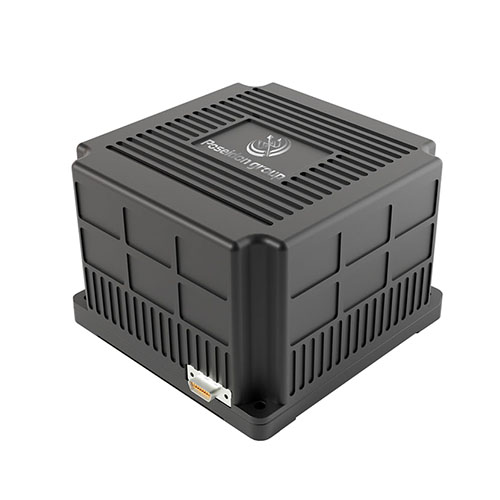 TBSD60
 BSD120
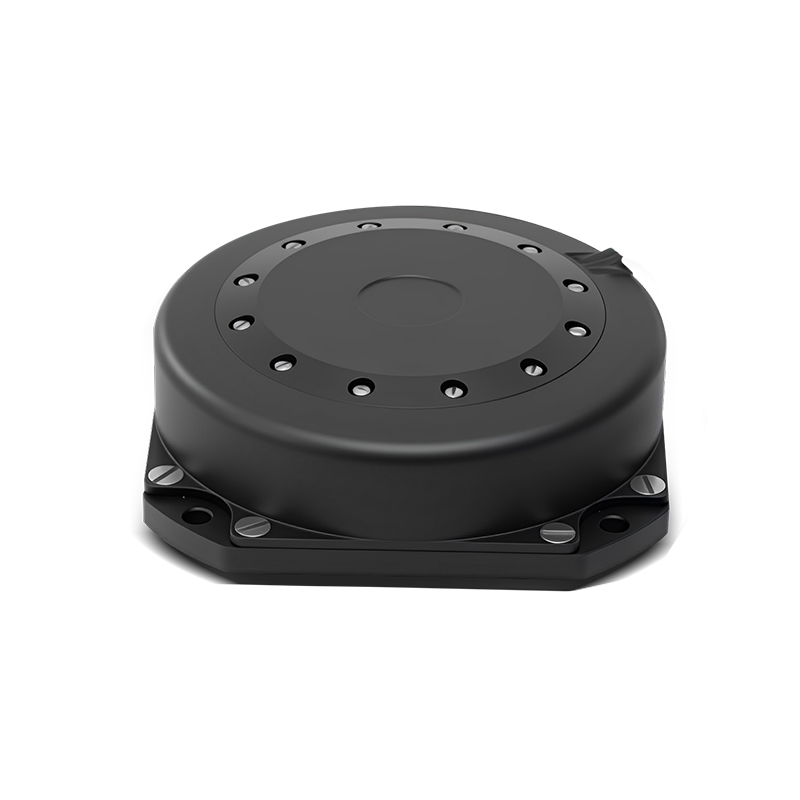 BSD98
BSD98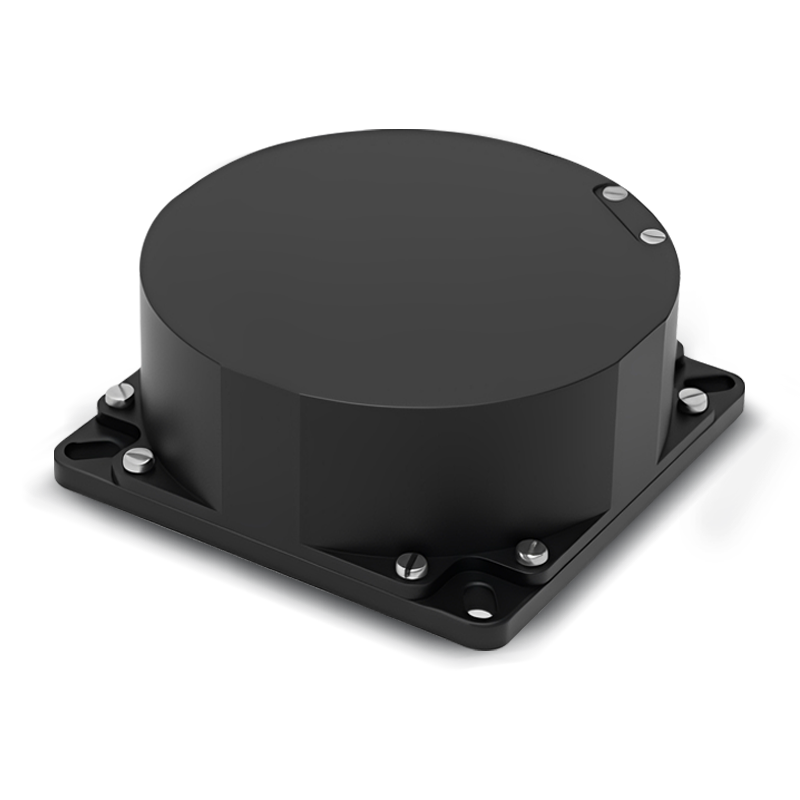 BSD70
BSD70 BSD60
BSD60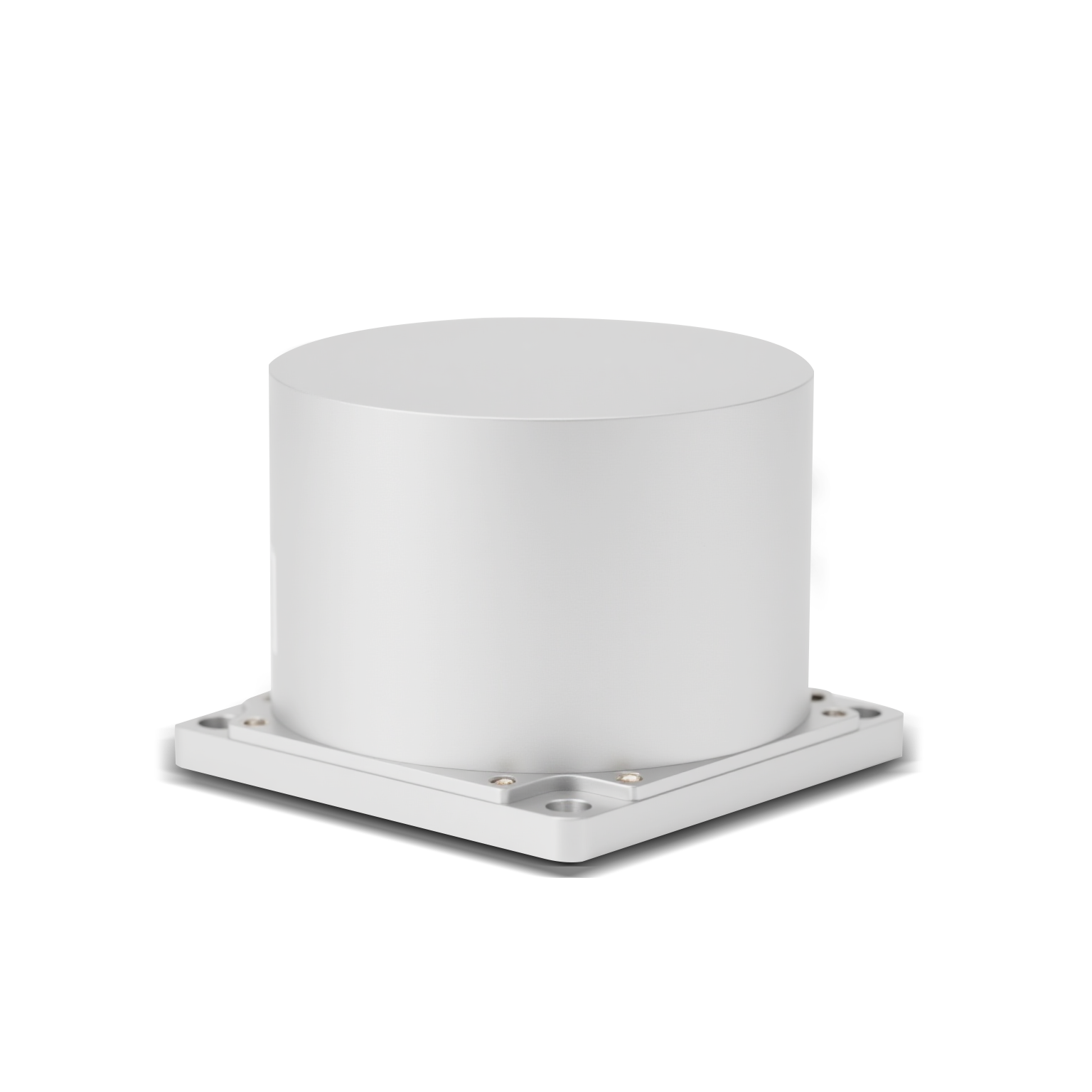 BSD50
BSD50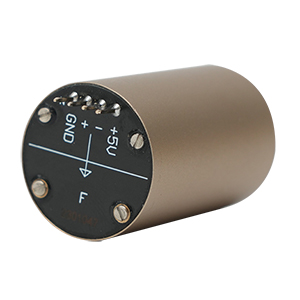 BSD217
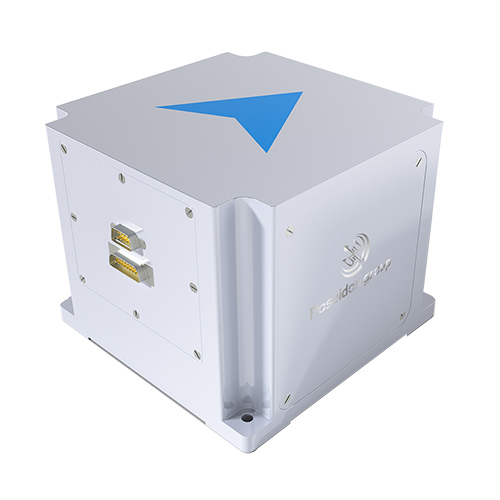 INS1700
 INS970
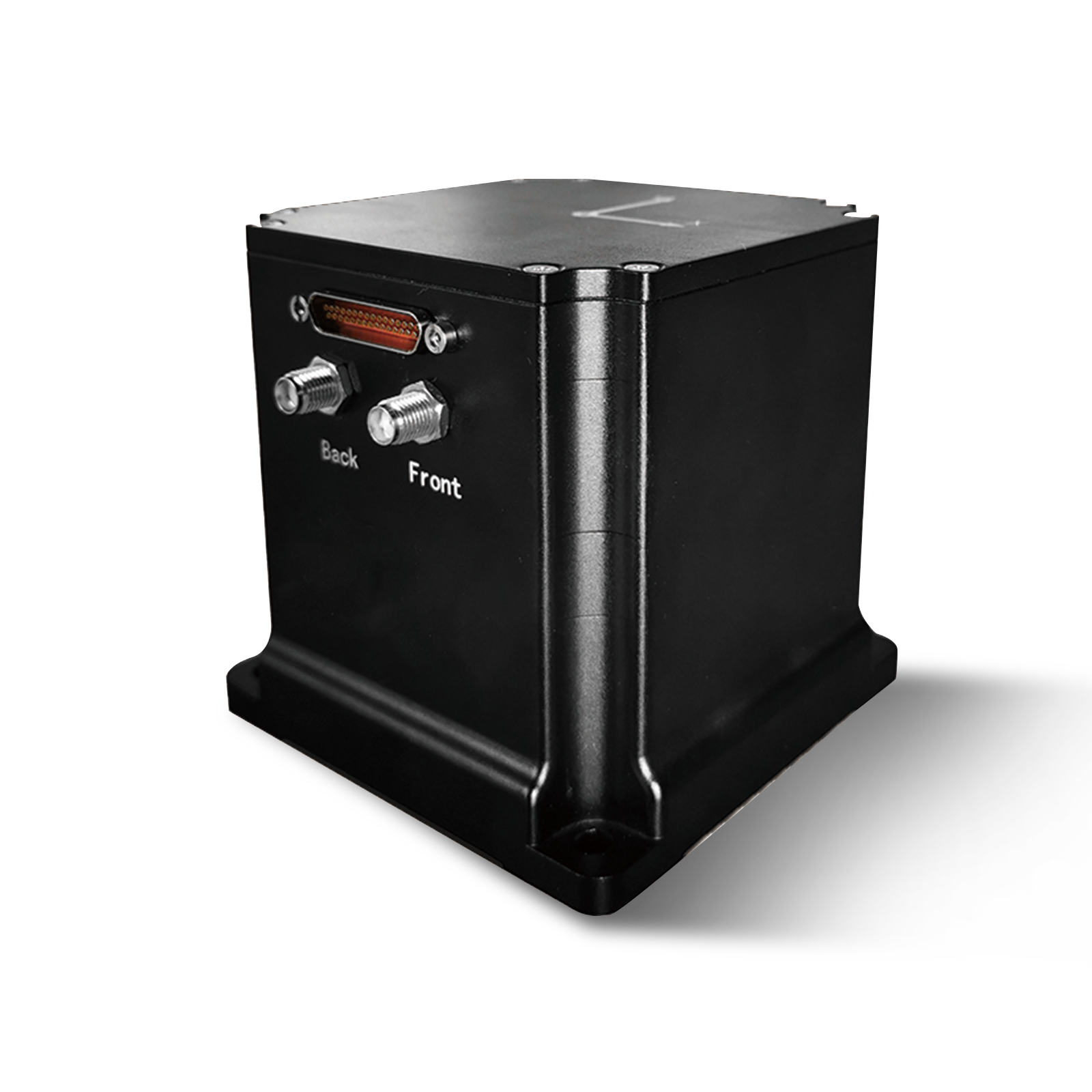 INS570
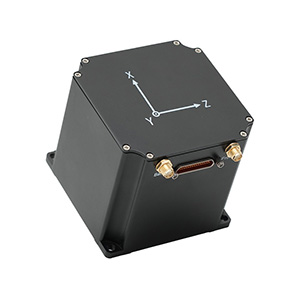 INS170
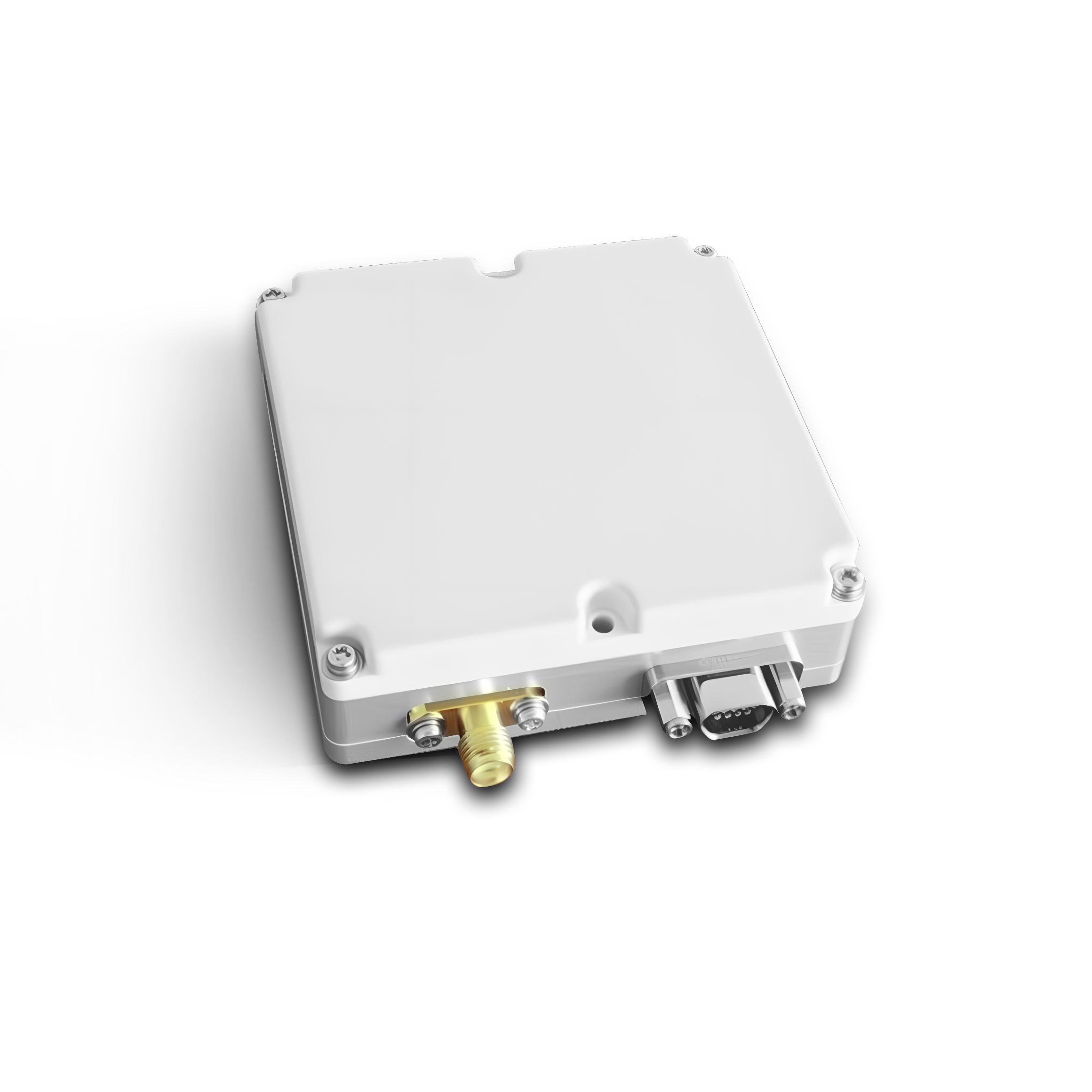 SLA-4B1L1-65
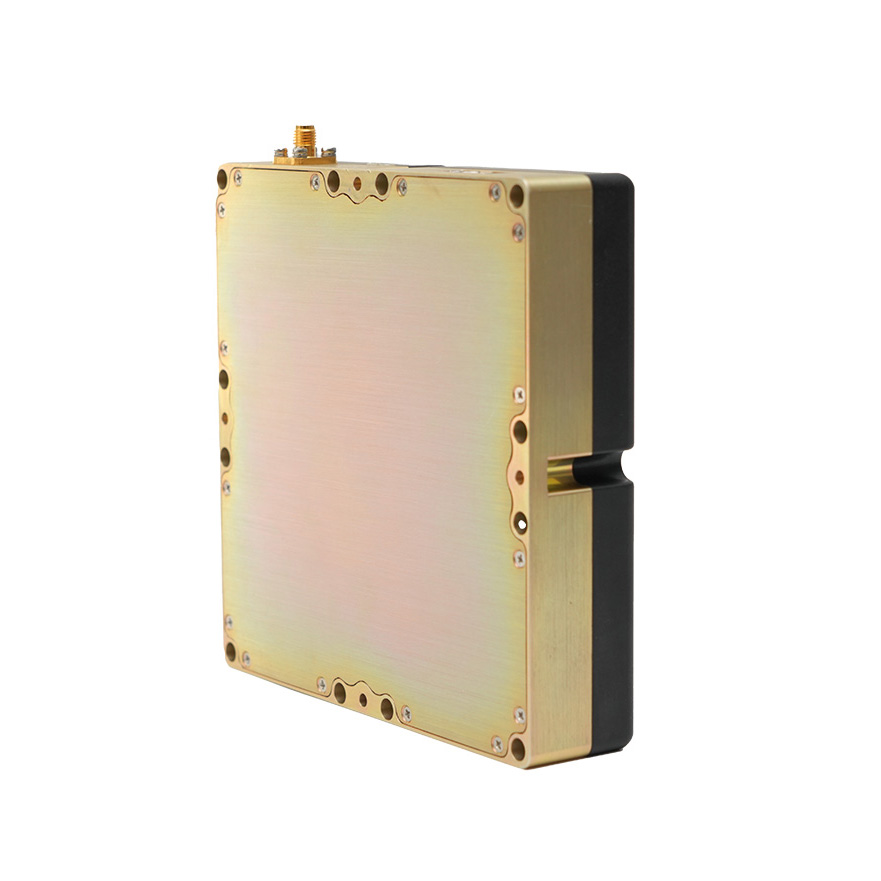 SLA-4B1L1-130
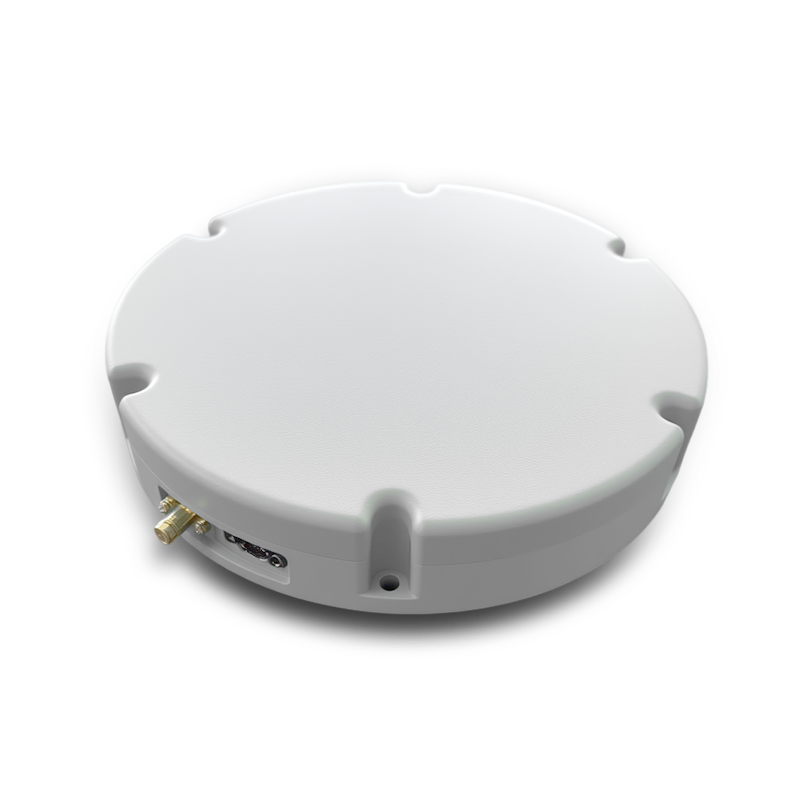 SLA-8B1L1-165
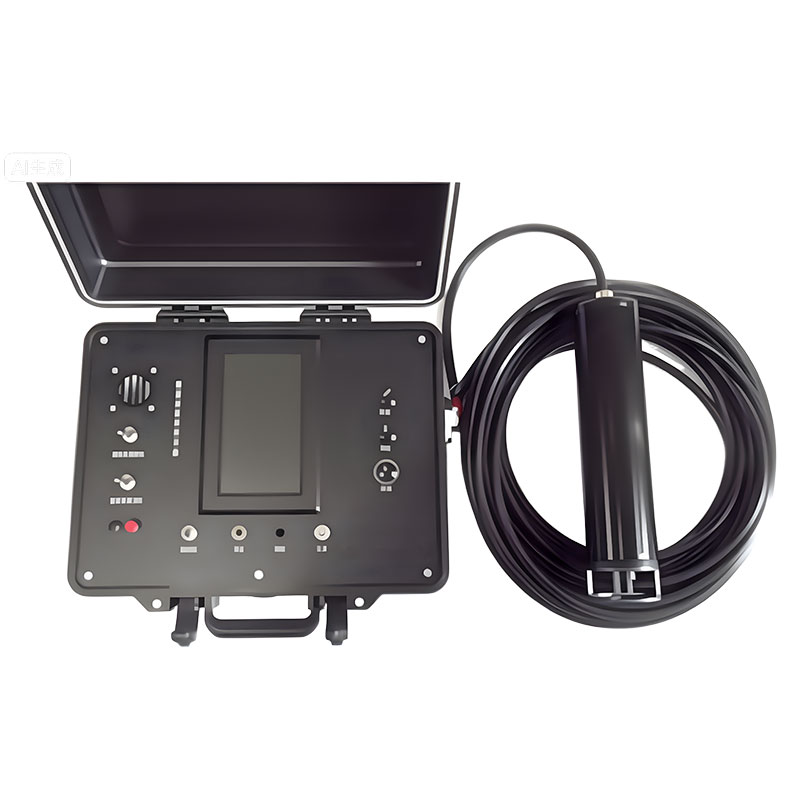 DIVER 101
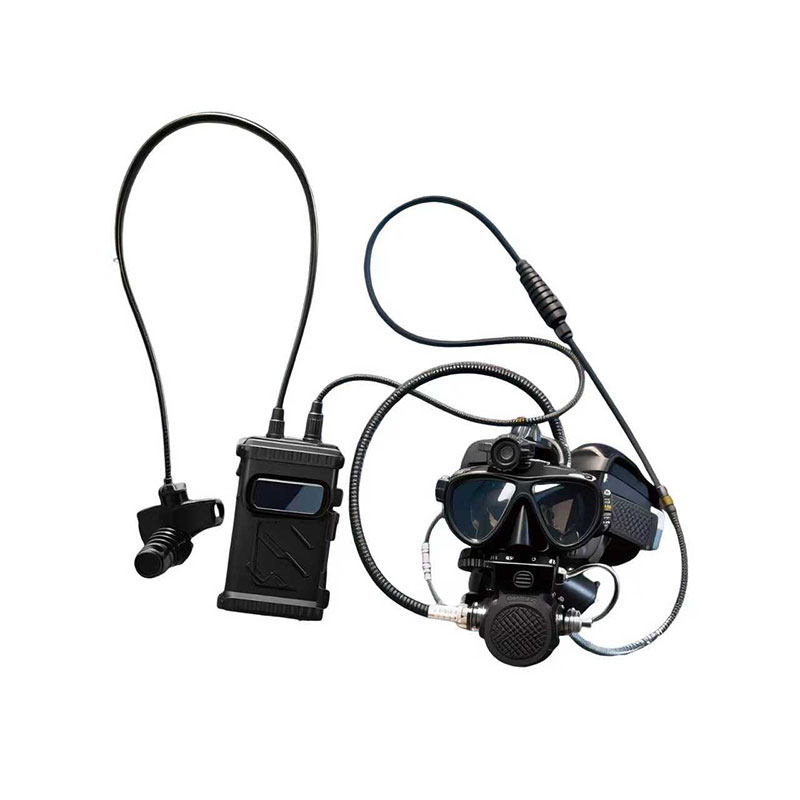 DIVER 102
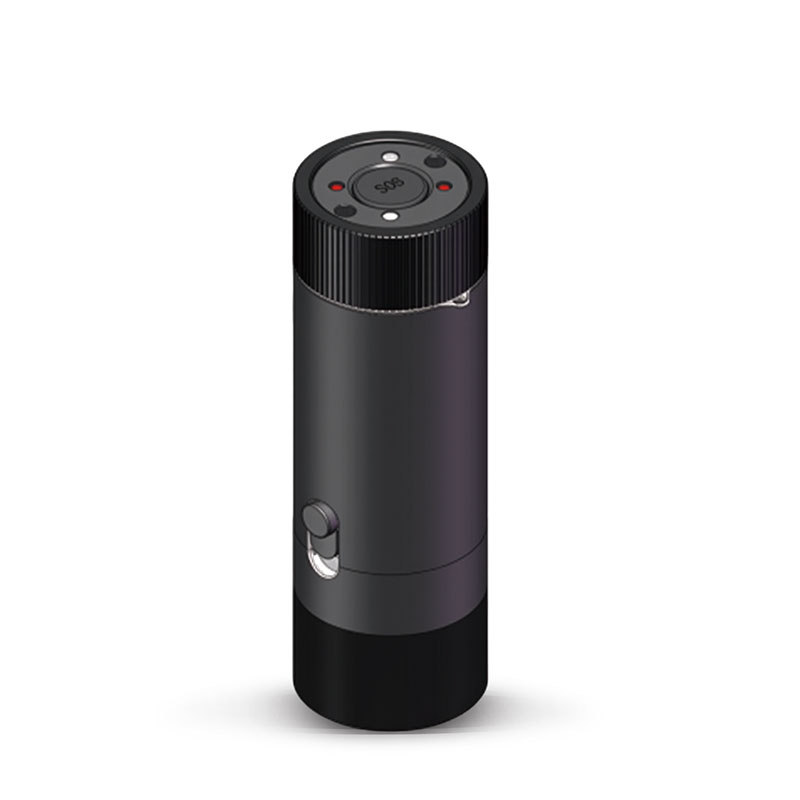 DIVER 103
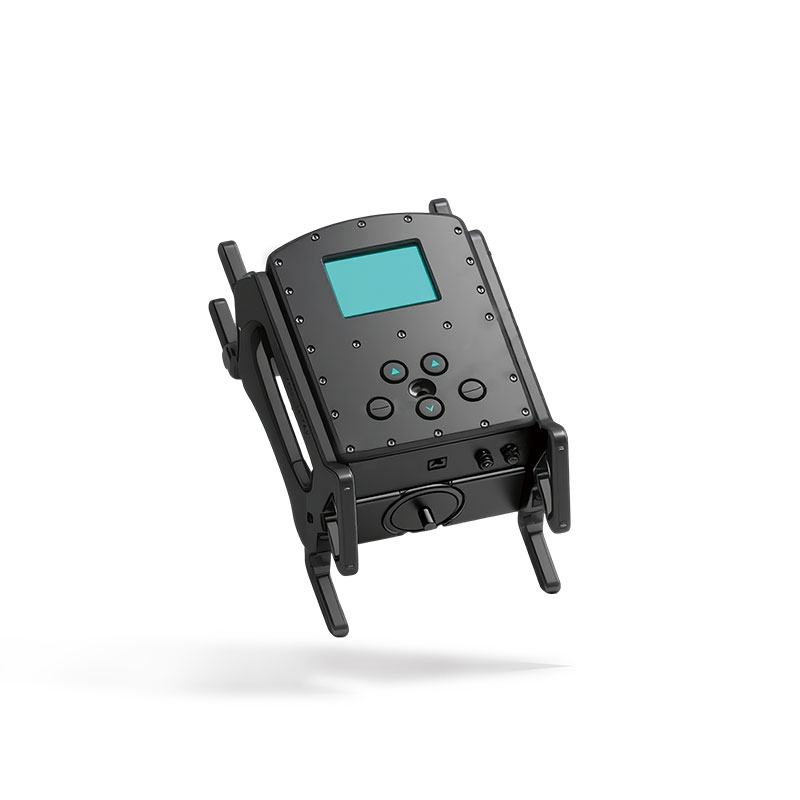 DIVER 104
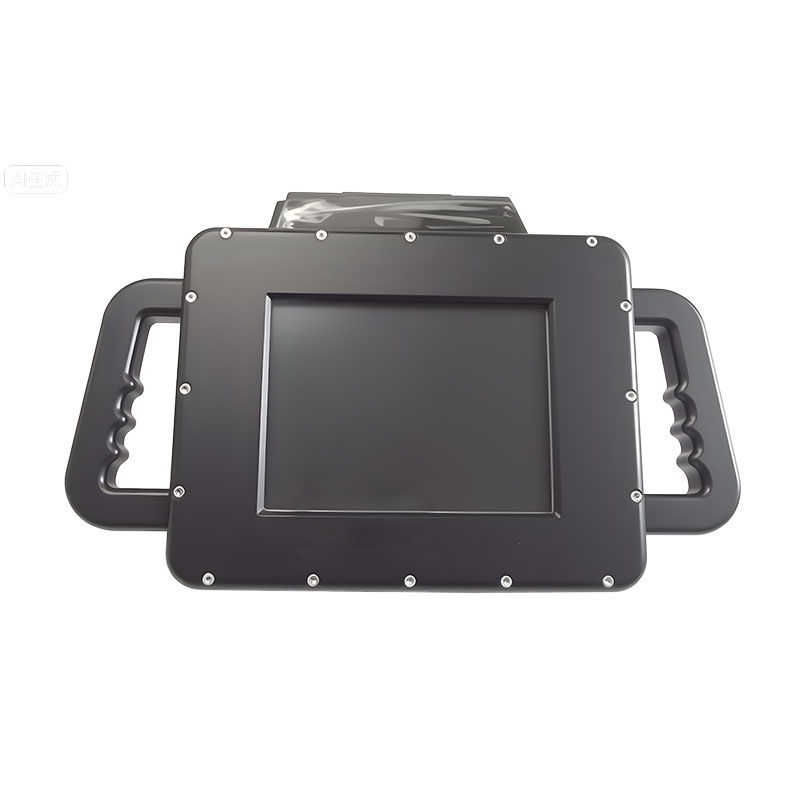 DIVER 105
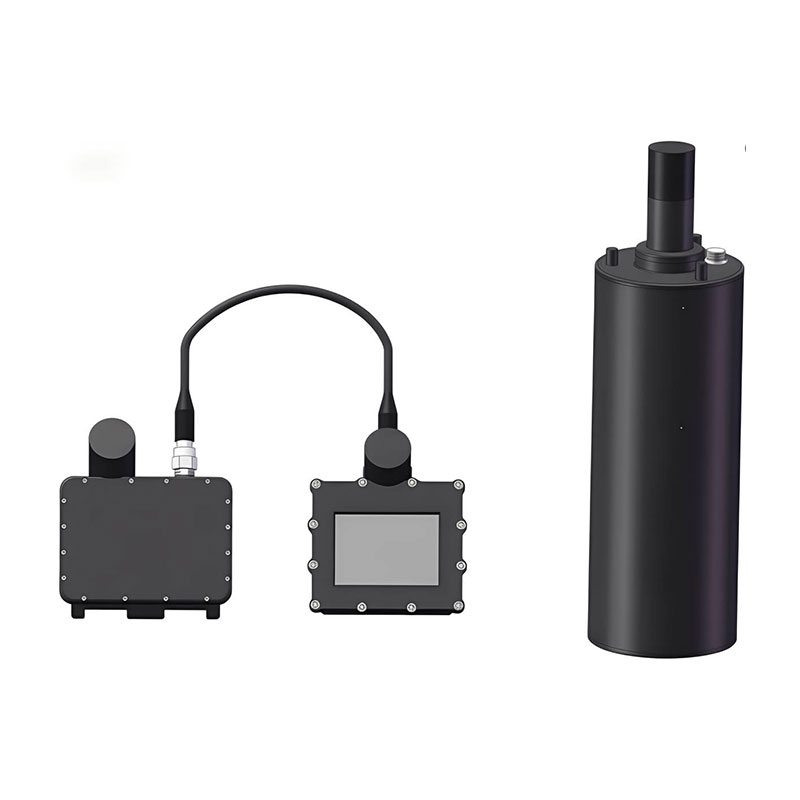 DIVER 106
 SLLR3000
 SLLR905
 SLLD25
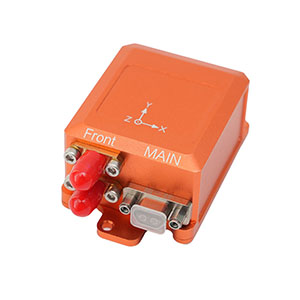 160M
160M 170M
170M SLFC-70
 SLAF280
 MR360
MR360