Leave Your Message
0%

Lately, there's been quite a buzz around Space Integrated GPS Ins. Thanks to advancements in navigation tech, demand for these solutions has really picked up. I came across a recent report from Market Research Future that mentioned the GPS INS market is growing at about 15% per year—that's pretty significant. It honestly shows just how much industries like aerospace, automotive, and robotics are increasingly relying on precise positioning systems.

A lot of companies are now trying to offer more affordable ODM (Original Design Manufacturer) options. But here’s the thing: it’s a bit of a balancing act. On one hand, you want good performance, but on the other, costs can get out of hand. Sure, big names like Trimble and NovAtel make some really impressive solutions, but they can be quite pricey—sometimes too pricey for smaller businesses just getting started. So, it’s really important to weigh your options carefully and pick something that fits your budget without sacrificing what you actually need.

That said, not everything out there is perfect. Some solutions might lack seamless integration or have limited support, which could cause headaches down the line. When you’re looking into Space Integrated GPS INS, think about how those limitations could affect your projects. Finding a provider that hits the sweet spot between your budget and your specific needs really is key to making everything run smoothly.

Top Cheap ODM Space Integrated GPS INS Solutions for Your Needs?

Understanding ODM Space Integrated GPS INS Solutions: An Overview

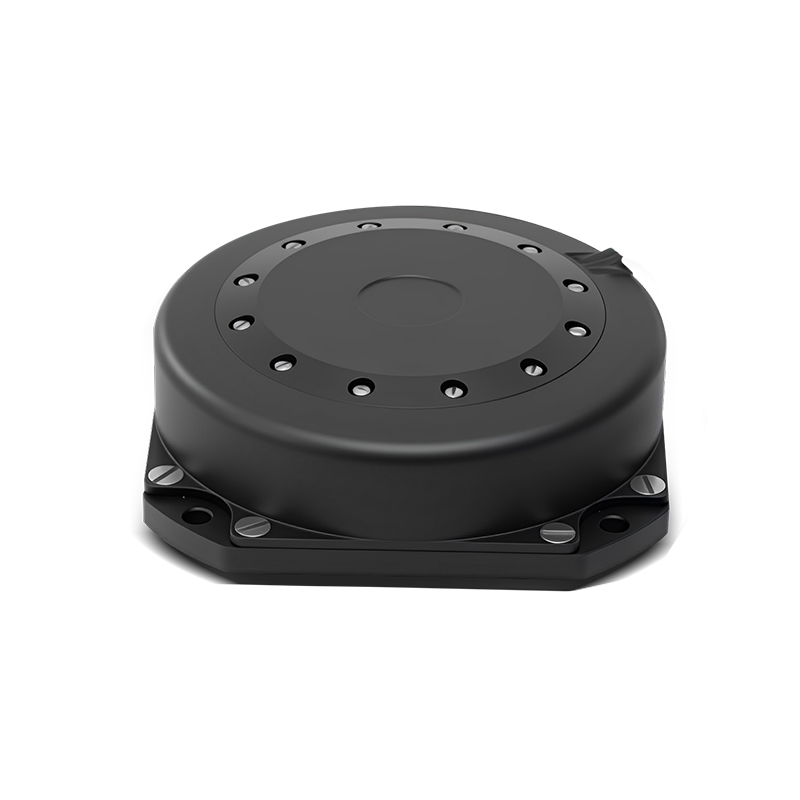
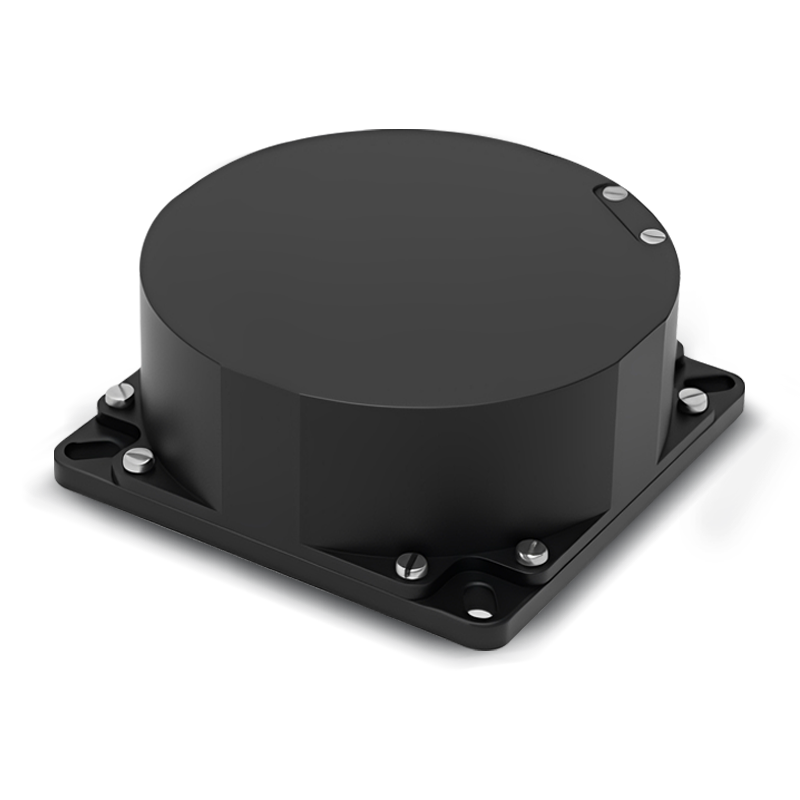
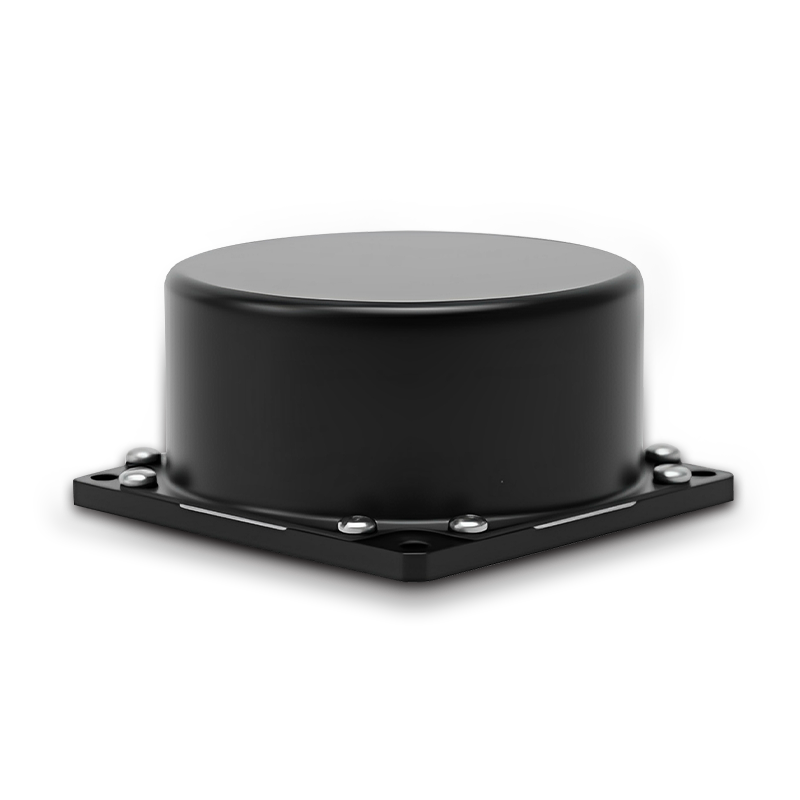
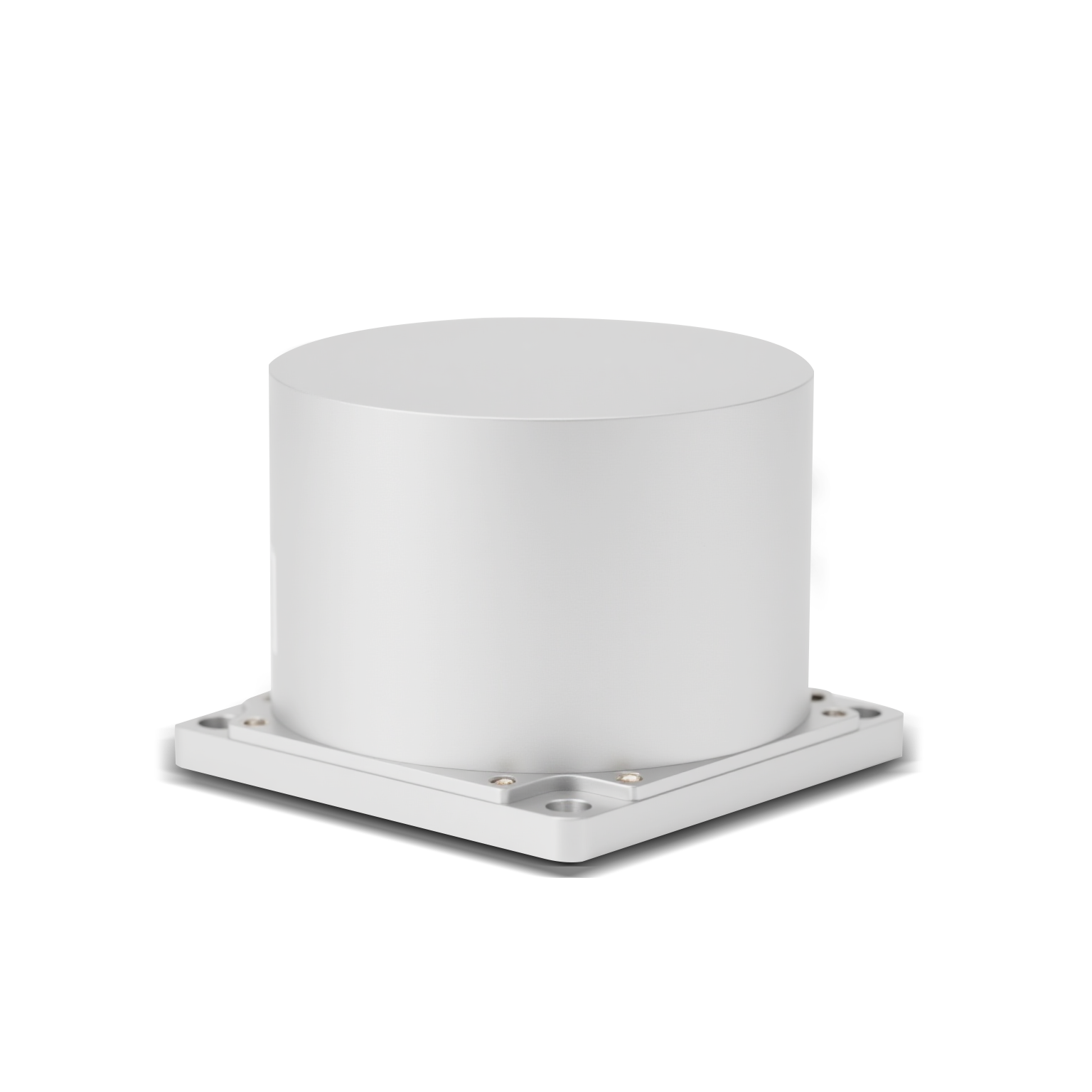
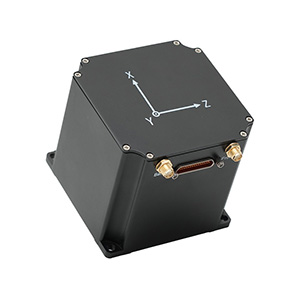
ODM Space Integrated GPS INS Solutions are becoming increasingly essential. These solutions combine GPS technology and Inertial Navigation Systems (INS) to enhance accuracy in various applications. For satellites and aerospace vehicles, precise positioning is vital. However, the complexity in integration raises concerns. Ensuring that systems work seamlessly demands careful planning.

Understanding these solutions starts with recognizing their core components. GPS provides location data through satellites. Meanwhile, INS uses onboard sensors to track motion. The fusion of these technologies delivers improved reliability. Yet, challenges remain. Factors like signal loss in urban environments can affect performance. Refining the technology often requires ongoing adjustments.

Affordability is another aspect to consider. Solutions can vary widely in cost. Some may offer high-end features that aren't necessary for all users. Others might sacrifice quality for lower prices. It's crucial to evaluate your specific needs before making a decision. Balancing performance and budget is key. Being aware of limitations will help in choosing the right solution.

Key Features of Cost-Effective GPS INS Solutions in the Market

Top Cheap ODM Space Integrated GPS INS Solutions for Your Needs?

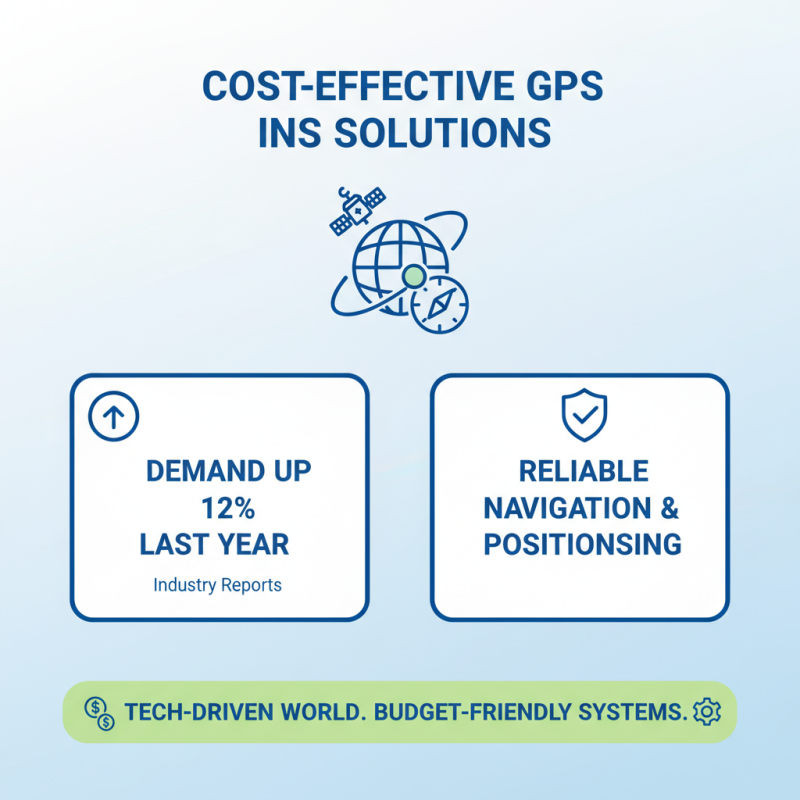
In today's tech-driven world, cost-effective GPS INS solutions are increasingly sought after. The demand for these technologies grew by approximately 12% last year, according to industry reports. Their role in navigation and positioning is crucial. Businesses need reliable systems that don’t break the bank.

Key features define these solutions. High accuracy, compact design, and low power consumption are essential attributes. Often, users prioritize performance metrics over brand loyalty. Data shows that an integrated system can improve efficiency by 20% in logistics operations. Compact designs allow for easy installation in mobile applications. Yet, reliability sometimes comes into question. The more affordable options may not match the precision of higher-end products.

Moreover, users often express concerns about software compatibility. Integrating new sensors with existing systems can be challenging. This complexity can lead to delays and increased costs. It's crucial to weigh the benefits of these affordable solutions against potential integration issues. A well-rounded assessment can help avoid pitfalls.

Market Trends: Demand for Affordable GPS INS Technologies in 2023

In 2023, the market for affordable GPS INS technologies is booming. Emerging trends show growing demand for cost-effective solutions. More businesses seek reliable navigation systems without spending excessive amounts. These trends highlight a shift toward integration and adaptability.

Having an Ins Integrated Navigation System can significantly enhance accuracy and reliability. However, it’s important to choose wisely. Some low-cost solutions may lack vital features. Always assess your actual needs before making a decision.

Tips: Look for solutions that offer good support and scalability. Test systems in real-world conditions if possible. Avoid rushing your purchase; thorough research leads to better outcomes. Prioritize long-term value over short-term savings. The right system can save time and resources, making it worthwhile to invest wisely.

Comparative Analysis: Top ODM Providers for Space Integrated Systems

When exploring space integrated systems, choosing the right ODM provider is crucial. A recent report indicated that the global market for Integrated Navigation Systems is projected to reach $8 billion by 2025. This highlights the competitiveness of this sector. Many companies are vying for significant market share by offering affordable solutions.

In a comparative analysis, several ODM providers stand out. Some focus on cost-effective designs, while others emphasize performance and reliability. It can be challenging to balance price and quality. Reports show that some providers might sacrifice durability in favor of lower costs, making the decision even more complex.

Some space integrated GPS INS solutions present underwhelming performance in extreme conditions. This raises concerns about their reliability for critical applications. Evaluating real-world performance metrics is essential. Often, users have reported varied experiences, which adds another layer of difficulty in selecting the right provider. Be cautious; performance inconsistencies might lead to unexpected outcomes in missions.

Performance Metrics: Evaluating Accuracy and Reliability in GPS INS

Evaluating the accuracy and reliability of GPS INS solutions can be challenging. It's essential to consider various performance metrics. These include positional accuracy, heading stability, and response time. A sensor’s ability to filter noise is crucial for precise calculations. Some solutions may struggle in dense urban areas. Consistent performance is paramount in these environments.

Integration of GPS and INS can enhance overall performance. However, some systems may exhibit discrepancies in data fusion. It's important to assess real-world performance, not just theoretical data. Users should conduct hands-on tests under different conditions. This ensures that the solutions meet their specific needs over time.

When selecting a solution, weigh the trade-offs. Lower cost may lead to compromises in performance reliability. Review user feedback for insights into long-term reliability. Real-world experiences can reveal potential blind spots. While specifications are critical, practical results often tell a different story. Ultimately, ongoing evaluation plays a vital role in achieving desired outcomes.

Cost-Benefit Analysis: Why Choose ODM for GPS INS Solutions

When considering GPS INS solutions, cost is a critical factor. ODM offers affordable options without sacrificing quality. Many businesses face the challenge of balancing features and budget. A good ODM solution can provide essential functionalities at a lower cost. This can help startups or small firms access advanced technology reasonably.

Keep in mind the importance of an Integrated Surveying Component in your selection process. An effective component can enhance accuracy and reliability. Evaluate the functionalities you truly need. Don't get swayed by unnecessary features that inflate the cost. Focus on the essentials.

Tips: Always test the system before committing. Ensure it aligns with your specific requirements. Consult with experts to gain insight into what truly matters for your project. Sometimes, seeking a detailed comparison can reveal surprising cost benefits.

Future Prospects: Innovations in Space Integrated GPS INS Technology

The future of space-integrated GPS INS technology is bright and full of potential. Innovations are transforming how we navigate in space. With advancements in MEMS-based integrated navigation, systems are becoming more compact and efficient. These developments can enhance accuracy dramatically. As Space exploration grows, so does the need for reliable navigation. Emerging technologies promise improvements in response times and data processing.

Challenges remain, though. Many systems still struggle with environmental factors. Performance can fluctuate based on conditions. Understanding these limitations is vital for further progress. Continuous research is needed to address these gaps. Users often face difficulties integrating new systems with existing infrastructure.

As the market evolves, affordability becomes essential. The demand for cheap ODM solutions is rising. New players are emerging, offering competitive prices. However, quality must not be compromised. Each technological leap brings both opportunity and risk. Balancing cost with performance will define the industry's future landscape. Focusing on MEMS-based integrated navigation can pave the way for breakthroughs.

FAQS

: What is the main purpose of the product?

: The product aims to enhance user convenience and improve daily tasks.

Who can benefit from using it?

Anyone looking for efficiency can find value in this product, from busy professionals to students.

How do you use it effectively?

Follow the instructions carefully. Start with small tasks to build confidence and familiarity.

Are there any common mistakes users make?

Yes, many skip the initial setup steps, leading to poor performance and dissatisfaction.

What should I do if I face issues?

Refer to the troubleshooting guide. You can also connect with customer support for help.

Can I share this product with others?

Sharing is possible; however, individual results may vary based on different usage habits.

Is there a learning curve?

Some may find it challenging initially. Take your time to explore its features.

What happens if I don’t use it regularly?

Infrequent use can lead to forgetting features, making it less effective over time.

Are there maintenance requirements?

Regular cleaning is vital. Neglect can lead to decreased functionality and a shortened lifespan.

What if it doesn't meet my expectations?

Reflect on your usage and check expectations. If problems persist, consider seeking alternatives.

Conclusion

The article titled "Top Cheap ODM Space Integrated GPS INS Solutions for Your Needs" provides a comprehensive overview of affordable solutions in the space-integrated GPS INS market. It highlights the key features that make these cost-effective systems appealing, notably the growing demand for reliable and precise technologies in 2023. The piece delves into market trends, emphasizing the increase in the need for budget-friendly options as more industries adopt GPS INS solutions for various applications.

Additionally, the article presents a comparative analysis of leading ODM providers, taking into account performance metrics such as accuracy and reliability. A thorough cost-benefit analysis outlines the advantages of choosing ODM for Space Integrated GPS INS solutions, suggesting that their innovations and advancements position them well for future developments in the field. Overall, the piece serves as a valuable guide for those looking to invest in efficient and economical GPS INS technologies.


Emily

Emily

Emily is a dedicated marketing professional at Poseidon, a pioneering company founded in 2013 that specializes in independent research, design, and production of cutting-edge technologies such as fiber optic gyroscopes (FOG), inertial navigation systems (INS), and advanced autonomous driving......
Previous How the Best Inertial Sensor System Fuels China's Manufacturing Growth Amidst US-China Tariff Challenges