Leave Your Message
0%

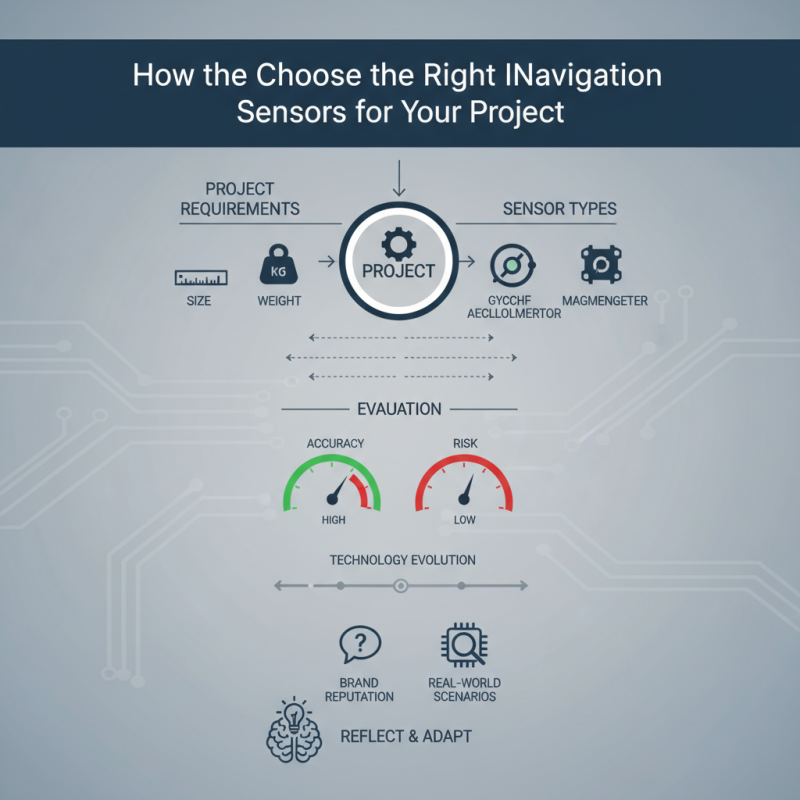
In today’s tech world, which feels like it’s changing faster than ever, picking the right Inertial Navigation Sensors is more important than you might think—it can make or break your project. Dr. Emily Carter from Navigation Solutions Inc. puts it pretty bluntly: "The accuracy of these sensors can really affect how well your project turns out." That just goes to show, you’ve gotta be careful and make informed choices when selecting them.

There are a bunch of different types of Inertial Navigation Sensors out there, each with their own pros and cons. The key thing is to understand what your project actually needs. Think about things like size, weight, and overall performance. Picking the wrong one could mean costly delays or even a project flop. So, it’s super important to not just look at the tech specs but also consider what your specific application really requires.

Honestly, with so many options—and new tech popping up all the time—it can feel pretty overwhelming. Just going by brand reputation alone might not cut it anymore. You gotta look at how these sensors perform in real-world conditions. Like Dr. Carter says, figuring out if you’re successful means taking a step back, reflecting, and being ready to adapt your approach when it comes to these sensors.
How to Choose the Right Inertial Navigation Sensors for Your Project?

Understanding Inertial Navigation Systems and Their Components

Inertial navigation systems (INS) are intriguing. They rely on motion sensors to determine an object's position. This technology is crucial in many applications, from aviation to robotics. At the heart of an INS are three main components: accelerometers, gyroscopes, and magnetometers. Each plays a unique role, measuring different aspects of movement.

Accelerometers detect changes in velocity. They capture immediate acceleration, allowing for real-time navigation. Gyroscopes, on the other hand, measure rotation. Their data is essential for maintaining orientation. Magnetometers add another layer by sensing magnetic fields. This helps to correct drift in the system, providing a more accurate position over time.

Choosing the right sensors requires careful consideration. The size, accuracy, and integration of each component are important. Not all projects require high precision, and sometimes simplicity is key. Understanding your specific needs is vital. While it's tempting to go for the most advanced options, they may not always fit your budget or project scale. Reflecting on these factors can lead to better decisions.

Types of Inertial Navigation Sensors: Accelerometers and Gyroscopes

How to Choose the Right Inertial Navigation Sensors for Your Project?

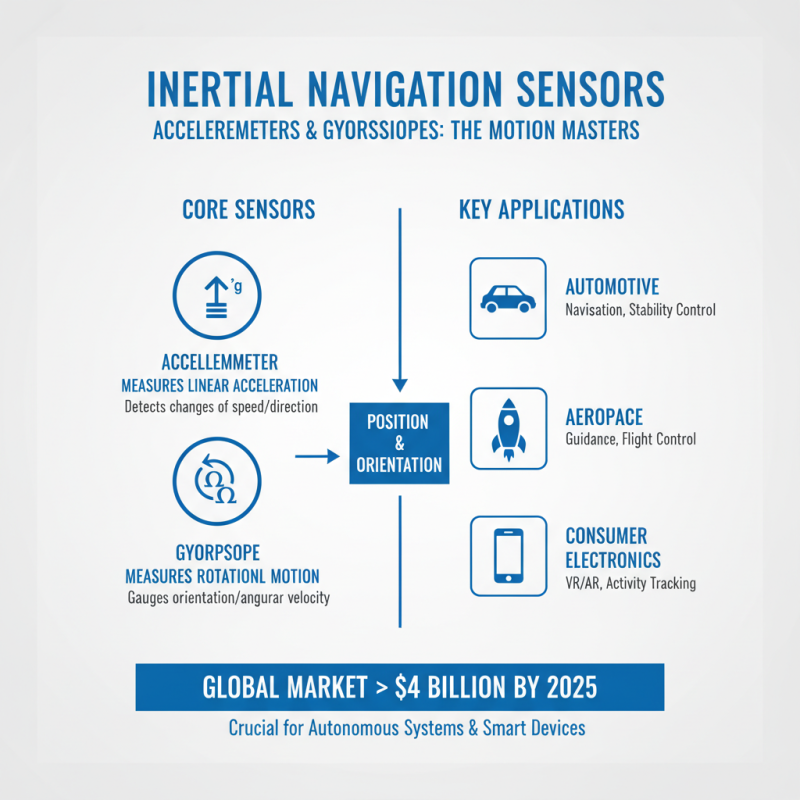
Inertial navigation sensors play a crucial role in various projects. Among these, accelerometers and gyroscopes are fundamental. Accelerometers measure acceleration, while gyroscopes gauge rotational motion. Both are essential for determining an object's position and orientation. According to recent industry reports, the global market for these sensors is expected to surpass $4 billion by 2025, reflecting their growing importance in automotive, aerospace, and consumer electronics.

Accelerometers can detect changes in motion and provide valuable data for navigation systems. They are versatile, used in smartphones and drones alike. However, their susceptibility to noise can lead to inaccuracies. Gyroscopes, on the other hand, maintain angular velocity data. They help stabilize systems, particularly in aviation. Yet, they can drift over time, necessitating regular recalibration.

Choosing between these sensors depends on the specific needs of a project. In some cases, a combination of both may yield the best results. Existing data suggests that integrated systems combining accelerometers and gyroscopes improve accuracy. Despite advancements, challenges remain. Understanding these limitations is crucial for successful implementation.

Key Specifications to Consider When Choosing Inertial Sensors

How to Choose the Right Inertial Navigation Sensors for Your Project?

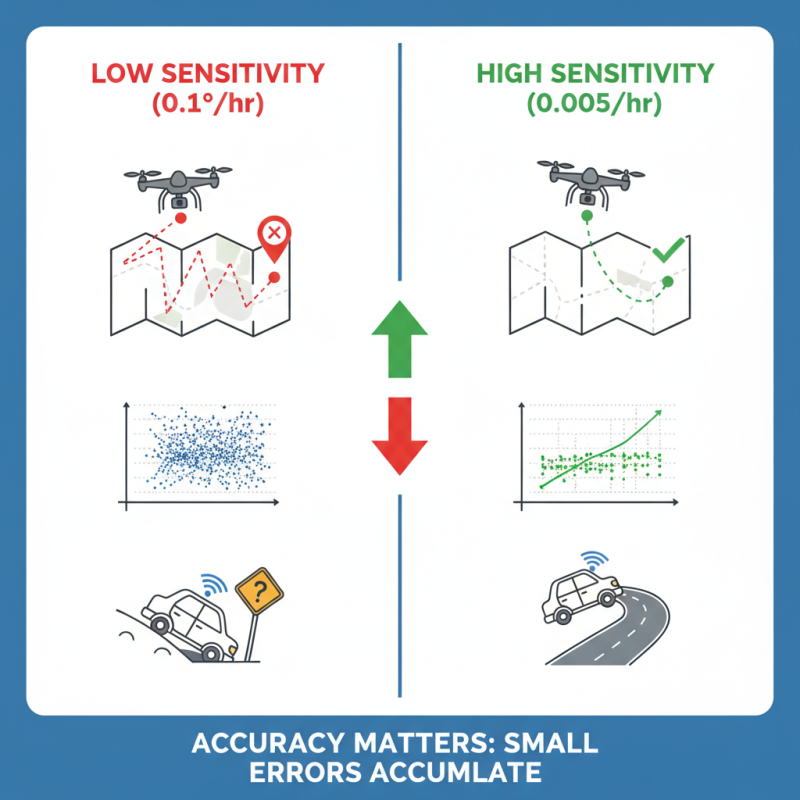
When selecting inertial navigation sensors for your project, several key specifications should lead your decision. One important factor is sensitivity. A higher sensitivity results in more accurate measurements. According to industry reports, sensitivity levels can vary from 0.1°/hr to over 0.005°/hr. This affects the performance of applications like drones and autonomous vehicles. Even small discrepancies can lead to significant error over time.

Another critical aspect is the sensor's bias stability. A stable bias ensures the device maintains precision over long durations. Reports indicate that sensors with a bias stability under 0.5°/hr are ideal for aviation applications. However, many sensors may struggle to achieve this in real-world conditions. It’s crucial to test these specifications in your specific environment.

Another point worth noting is the noise level of the sensor. High noise levels can obscure the measurements, particularly in dynamic conditions. Some sensors may have noise density around 0.1°/√hr, which could be unacceptable for detailed navigation. User feedback often highlights the difficulties in finding sensors that meet every requirement without compromise. Balancing cost and performance remains a challenge for many engineers.

Evaluating Performance: Accuracy, Drift, and Sensitivity

In the realm of inertial navigation, evaluating performance is crucial. Accuracy, drift, and sensitivity profoundly influence the choice of Inertial Measurement Unit Sensors. Often, consumers overlook drift specifications. Drift can lead to significant deviations in navigation over time. Research shows that high-quality sensors can achieve drift rates below 0.1 degrees per hour. This is vital for applications needing expertise, like autonomous vehicles or drones.

Sensitivity is another key aspect. A sensor's ability to detect minute changes can determine its effectiveness in challenging environments. The sensitivity of Inertial Measurement Unit Sensors can range widely. Some may detect motions of less than 1 milli-g, while others may not meet this standard. Choosing the right sensor involves balancing sensitivity with environmental conditions.

**Tip:** Always consider the operational environment. If working in high-vibration scenarios, prioritize sensors designed for stability.

Another overlooked factor is accuracy. Accuracy and precision are not synonymous. A sensor can be precise but not accurate if it consistently deviates from the true position. Hence, you need sensors with specifications that align closely with your project needs.

**Tip:** Regular calibration can help maintain accuracy over time. Investing effort here can save significant resources in the long run.

Environmental Factors: Temperature and Vibration Effects on Sensors

When selecting inertial Navigation Sensors, environmental factors must be carefully considered. Temperature variations can significantly affect sensor accuracy. High temperatures may cause drift or instability. Conversely, extremely low temperatures can result in sluggish response times. Any project reliant on precision should be prepared for these potential challenges.

Vibration is another critical element influencing sensor performance. High vibration environments can introduce noise and decrease measurement fidelity. Designers should assess the specific vibration levels the sensors will face. Are they in a stable environment or subject to constant movement? These questions can help determine the right navigation sensors.

It's important to test sensors under real-world conditions. Simulation is helpful, but nothing beats field testing. Look for discrepancies between expected and actual performance. Consider adjustments based on these observations. This iterative approach can reveal the true capabilities of the navigation sensors in your project.

Temperature and Vibration Effects on Inertial Navigation Sensors

Application Requirements: Selecting Sensors for Specific Use Cases

When selecting Inertial Navigation sensors, it's crucial to consider the specific requirements of your project. Different applications demand varying precision levels. For instance, drones typically require sensors that offer high stability and position accuracy. According to an industry report, over 55% of drone manufacturers prioritize inertial navigation systems for their flight stability.

Tips: Define your project goals early. Consider factors like size, weight, and power supply. This clarity helps in choosing the right sensor type.

Another important aspect is the operational environment. Sensors may perform differently in extreme temperatures or atmospheric conditions. A survey indicated that 40% of failures in navigation systems occur due to environmental incompatibility. Therefore, testing sensors under intended conditions is essential.

Tips: Conduct field tests with prototypes. Gather real-world data to refine your choices. Understand that even ideal sensors may fail if not properly integrated.

Evaluating your specific use case can lead to better decision-making. Inertial navigation technology is evolving rapidly. Keeping track of the latest advancements will aid in leveraging the best available options. Embrace this dynamic landscape, while also acknowledging the imperfections in your sensor choices.

Budgeting for Inertial Navigation Sensors: Cost vs. Performance Trade-offs

When budgeting for inertial navigation sensors, it's crucial to understand the cost versus performance trade-offs. High-performance sensors often come with a hefty price tag. However, lower-cost options may lack the precision or reliability you need. Make sure to evaluate your project’s specific requirements carefully.

Tips: Assess the accuracy needed for your application. For projects requiring high precision, investing in more expensive sensors could save you money in the long run. On the other hand, if the application is less demanding, a budget option may suffice. Remember that integrating Gps Inertial Navigation systems can mitigate some limitations of lower-end sensors, providing a balance between cost and performance.

Don't overlook hidden costs. Calibration and integration can add to the final price. Sometimes, lower-cost sensors need more extensive calibration efforts to meet performance expectations. Be aware of these hidden expenses as you budget for inertial navigation sensors. Always expect the unexpected.

How to Choose the Right Inertial Navigation Sensors for Your Project? - Budgeting for Inertial Navigation Sensors: Cost vs. Performance Trade-offs

Sensor Type Cost ($) Accuracy (°/hr) Drift Rate (°/hr) Applications
MEMS IMU 50 - 150 1 - 5 0.5 - 1.5 Consumer Electronics, Robotics
Tactical Grade IMU 1,000 - 5,000 0.01 - 0.1 0.001 - 0.01 Military, Aerospace
Navigation Grade IMU 500 - 2,000 0.1 - 0.5 0.02 - 0.1 Automotive, UAVs
High Precision IMU 5,000 - 20,000 0.001 - 0.01 0.0001 - 0.001 Space, High-end Robotics

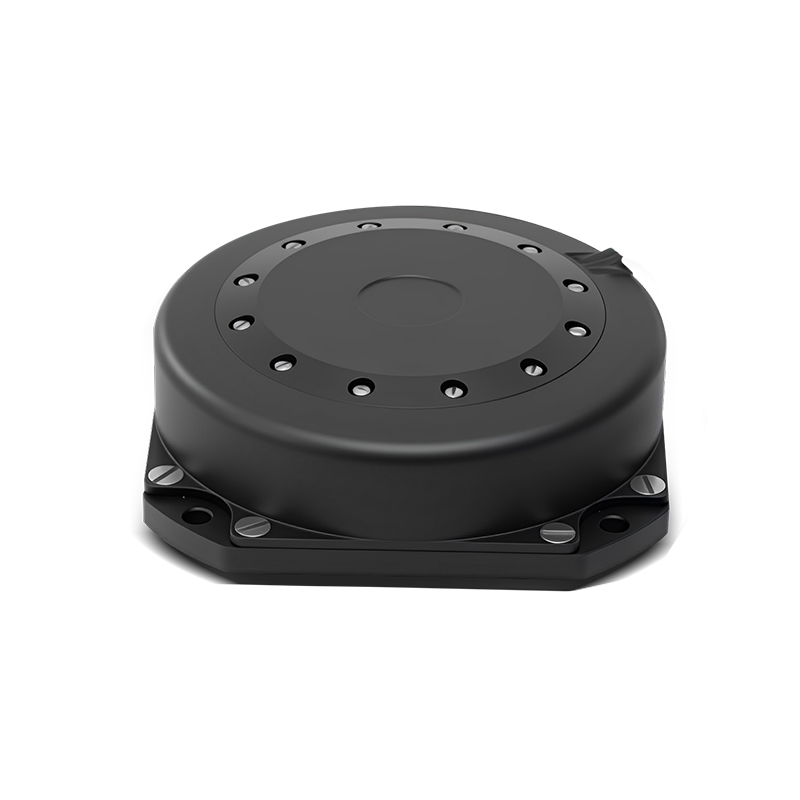
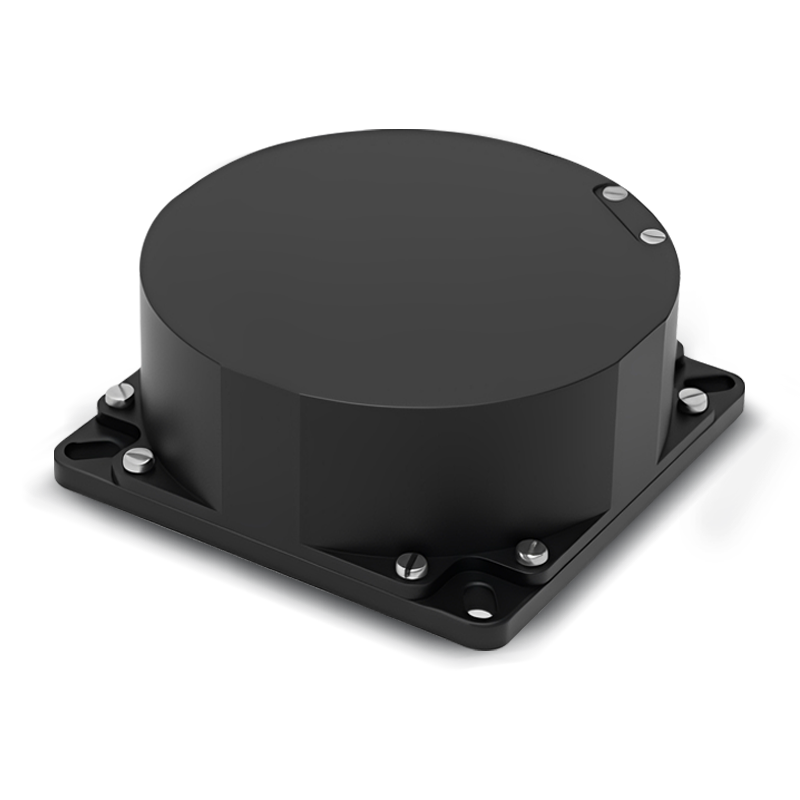
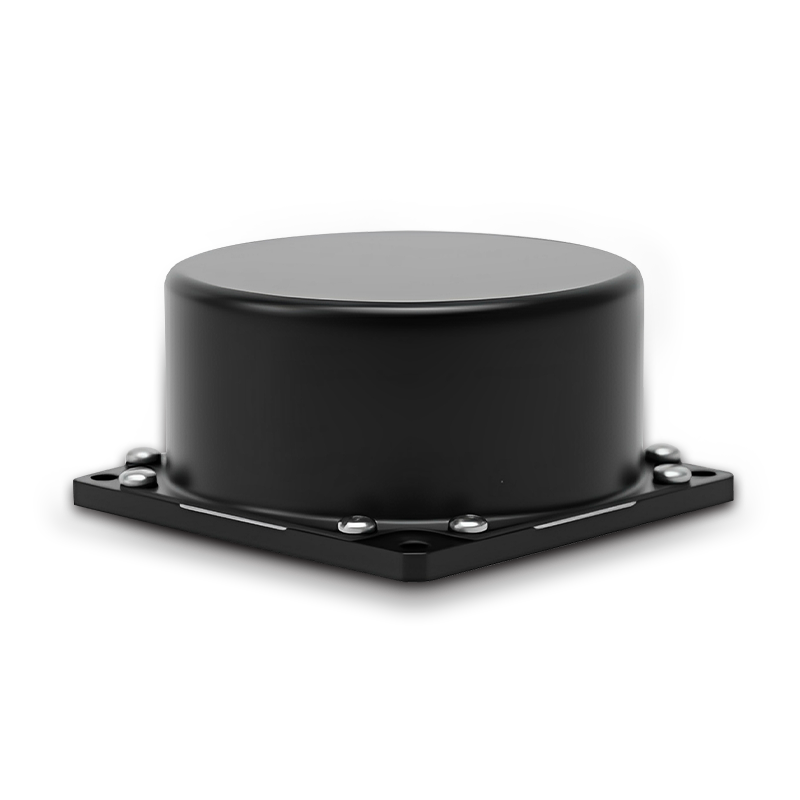
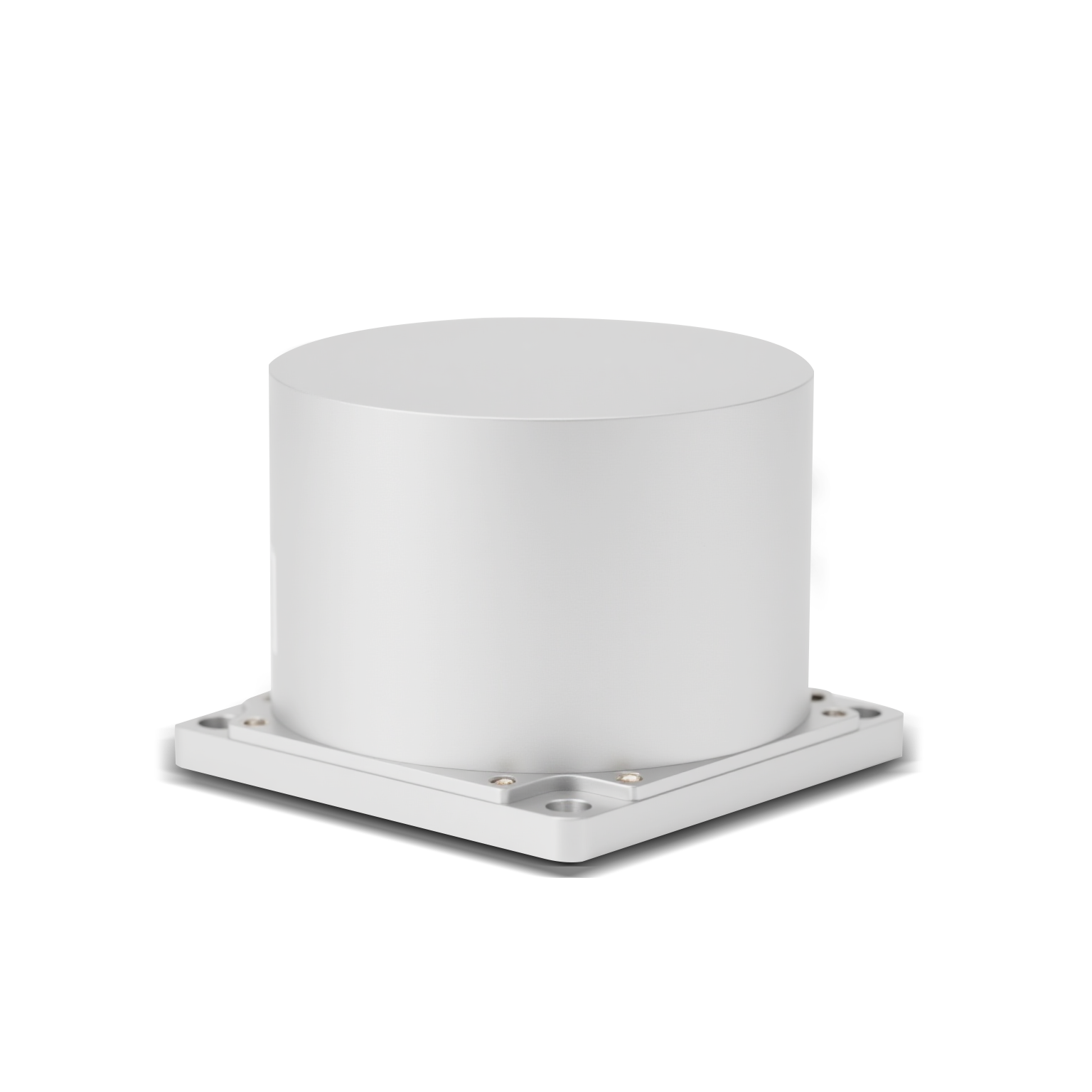
Enhancing UAV Navigation with the Lightweight BSD120 Inertial Sensor: A Comprehensive Overview

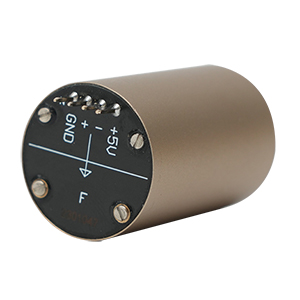
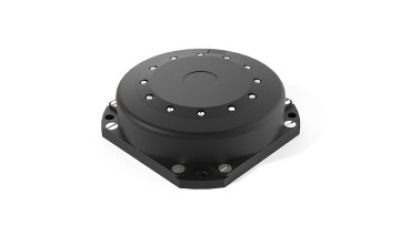
In the realm of UAV navigation, the integration of advanced inertial sensors plays a critical role in enhancing performance and reliability. The lightweight BSD120 Inertial Sensor exemplifies the latest advancements in fiber optic gyro technology, offering rapid startup capabilities and a wide measurement range that is essential for dynamic applications. This uniaxial precision fiber optic gyroscope meets the rigorous demands of high-precision inertial navigation systems, making it suitable for various settings, including airborne navigation and autonomous vehicles.

The BSD120's performance is characterized by its digital closed-loop technology, which ensures exceptional accuracy and stability, achieving zero-bias stability between 0.01°/h to 0.05°/h with 10 seconds of smoothing. Its compact design allows for installation in space-constrained environments, while its robust features include strong resistance to vibration and shock. This durability makes the BSD120 an ideal choice for demanding applications, capable of providing reliable navigation and positioning data in challenging outdoor conditions, ensuring the successful operation of UAV missions and other advanced automotive systems.

FAQS

: What are the main types of inertial navigation sensors?

: The main types are accelerometers and gyroscopes. Accelerometers measure acceleration, while gyroscopes measure rotational motion.

What challenges do accelerometers face?

Accelerometers can struggle with noise, leading to inaccuracies. This is a key challenge in their usage.

How do gyroscopes maintain data?

Gyroscopes maintain angular velocity data, crucial for system stabilization. However, they can drift over time, requiring recalibration.

How important is it to choose the right sensor?

Choosing the correct sensor is vital for project success. It impacts performance and reliability in applications.

What should one consider when selecting sensors?

Consider size, weight, power supply, and precision requirements. These factors guide the selection process effectively.

Why is testing in actual conditions important?

Testing ensures compatibility with environmental conditions. Many navigation failures occur due to environmental issues.

What is the benefit of using both accelerometers and gyroscopes?

Combining both sensors can yield better accuracy. Integrated systems often perform more effectively in navigation tasks.

What is a significant point to keep in mind?

Even the best sensors can fail if not integrated properly. Understand their limitations and potential issues.

How should project goals be defined?

Clearly defining project goals helps in making informed choices. Early clarity leads to better sensor selection.

What is the impact of evolving technology in sensor selection?

Keeping up with advancements is crucial. It helps in choosing from the best options available for specific needs.

Conclusion

Choosing the right Inertial Navigation Sensors for your project requires a thorough understanding of Inertial Navigation Systems and their components, which include accelerometers and gyroscopes. It's crucial to consider key specifications such as accuracy, drift, and sensitivity, as these factors directly impact sensor performance. Environmental conditions like temperature and vibrations can also affect sensor reliability, making evaluation vital for optimal results.

When selecting Inertial Navigation Sensors, it is important to align your choice with specific application requirements. Different use cases may necessitate unique sensor capabilities, so assessing compatibility is essential. Additionally, budgeting for these sensors involves evaluating the cost against performance trade-offs to ensure you achieve the desired outcomes without overspending. By following these guidelines, you can make an informed decision that meets both technical and financial needs.

Emily

Emily

Emily is a dedicated marketing professional at Poseidon, a pioneering company founded in 2013 that specializes in independent research, design, and production of cutting-edge technologies such as fiber optic gyroscopes (FOG), inertial navigation systems (INS), and advanced autonomous driving......
Previous How the Best Inertial Sensor System Fuels China's Manufacturing Growth Amidst US-China Tariff Challenges