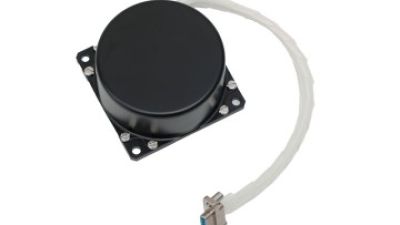
 TBSD60
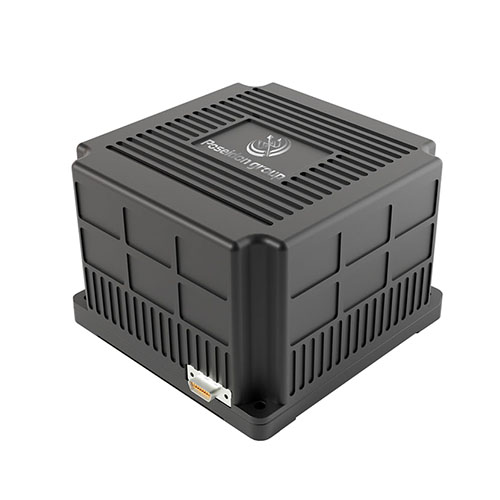
 BSD120
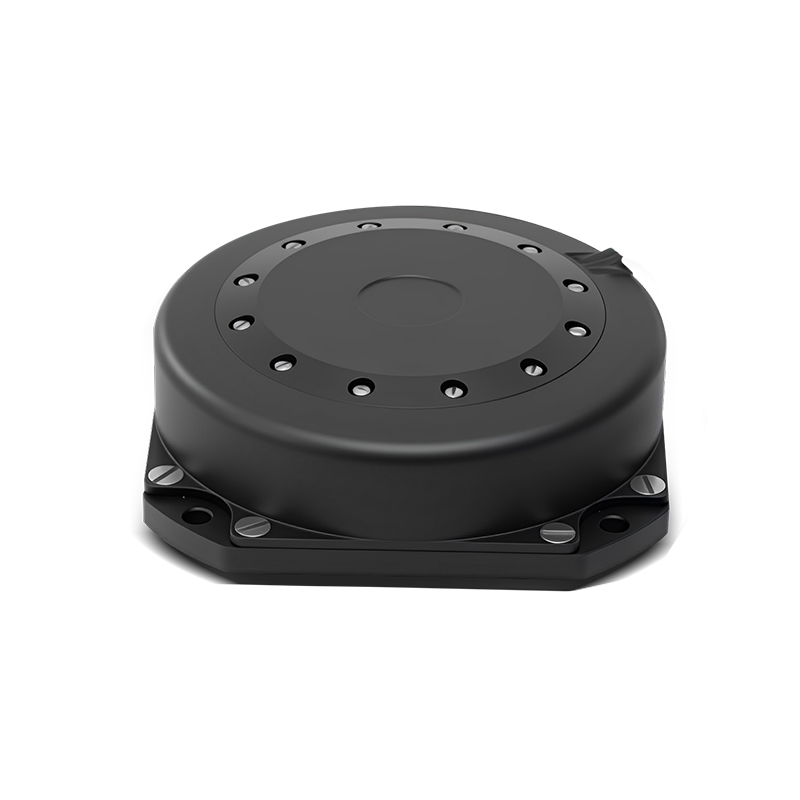 BSD98
BSD98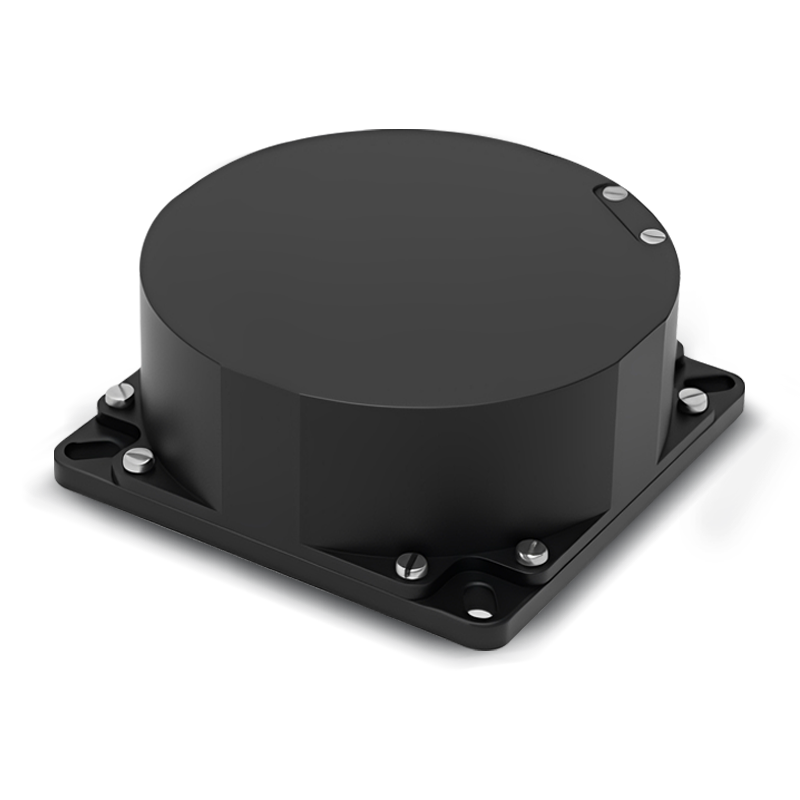 BSD70
BSD70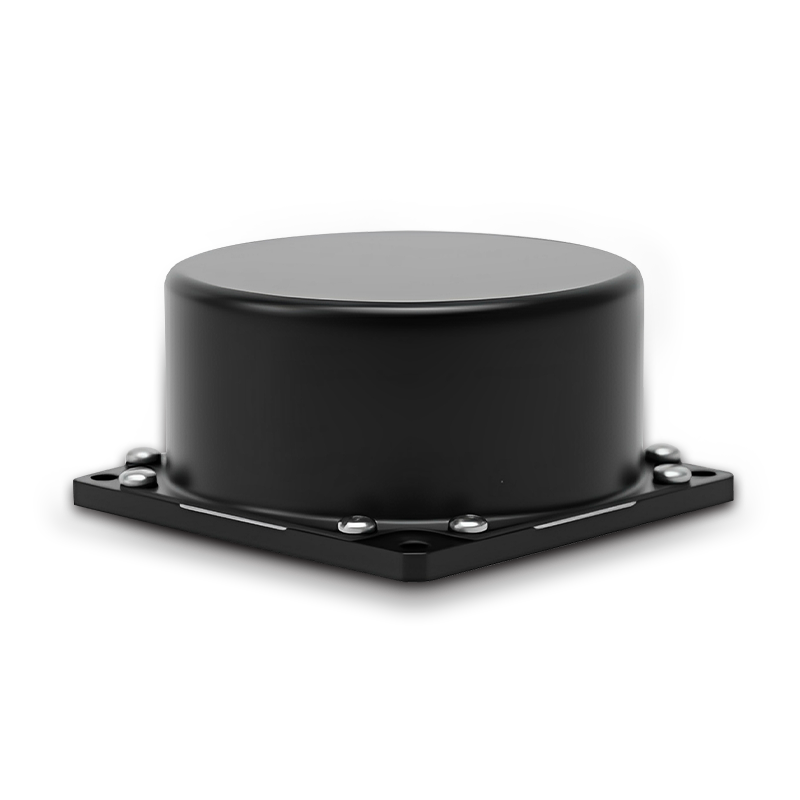 BSD60
BSD60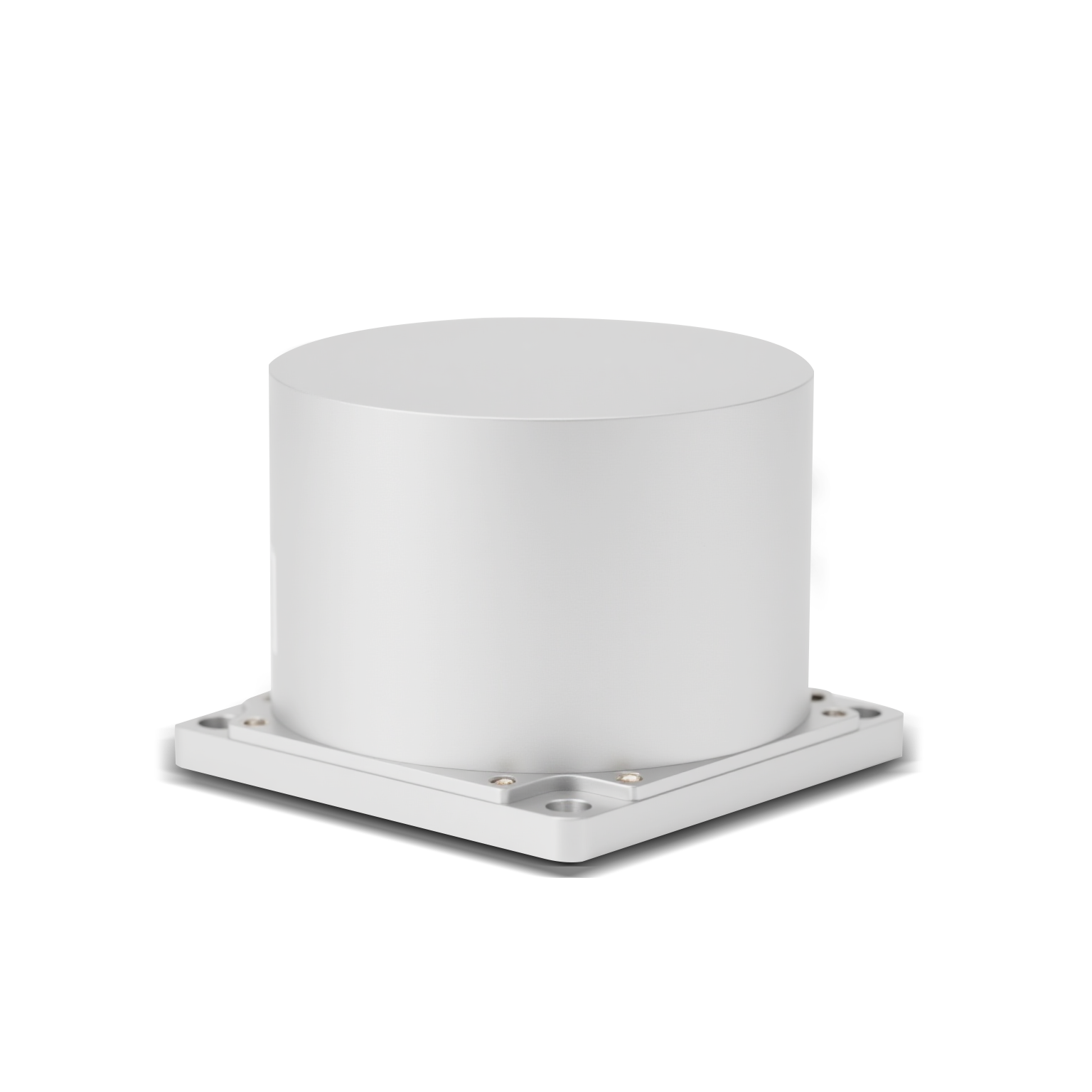 BSD50
BSD50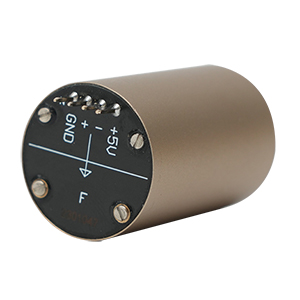 BSD217
 INS1700
 INS970
 INS570
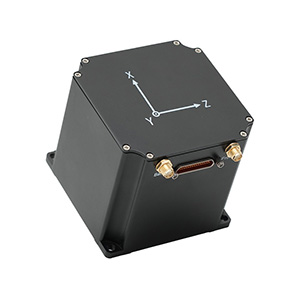 INS170
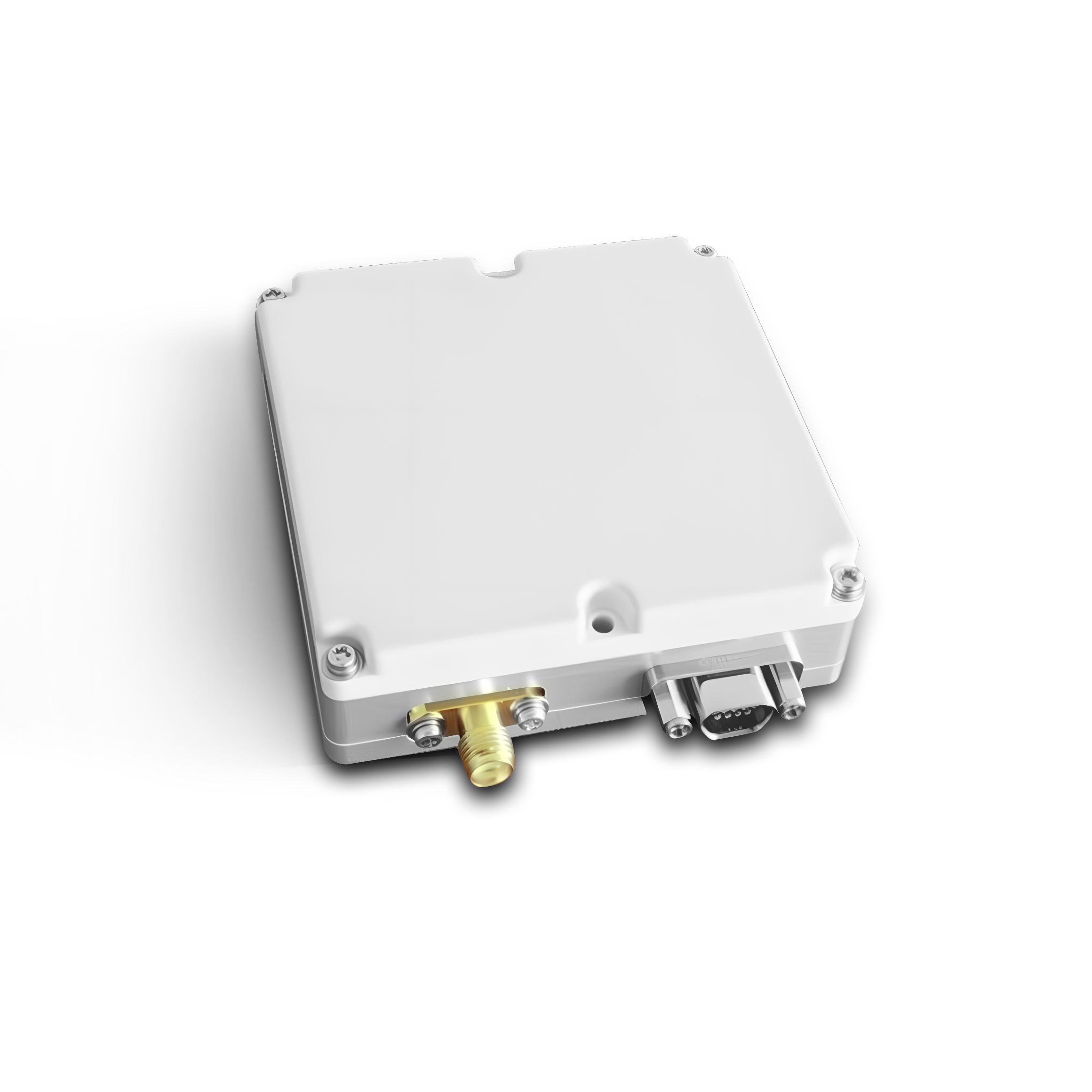 SLA-4B1L1-65
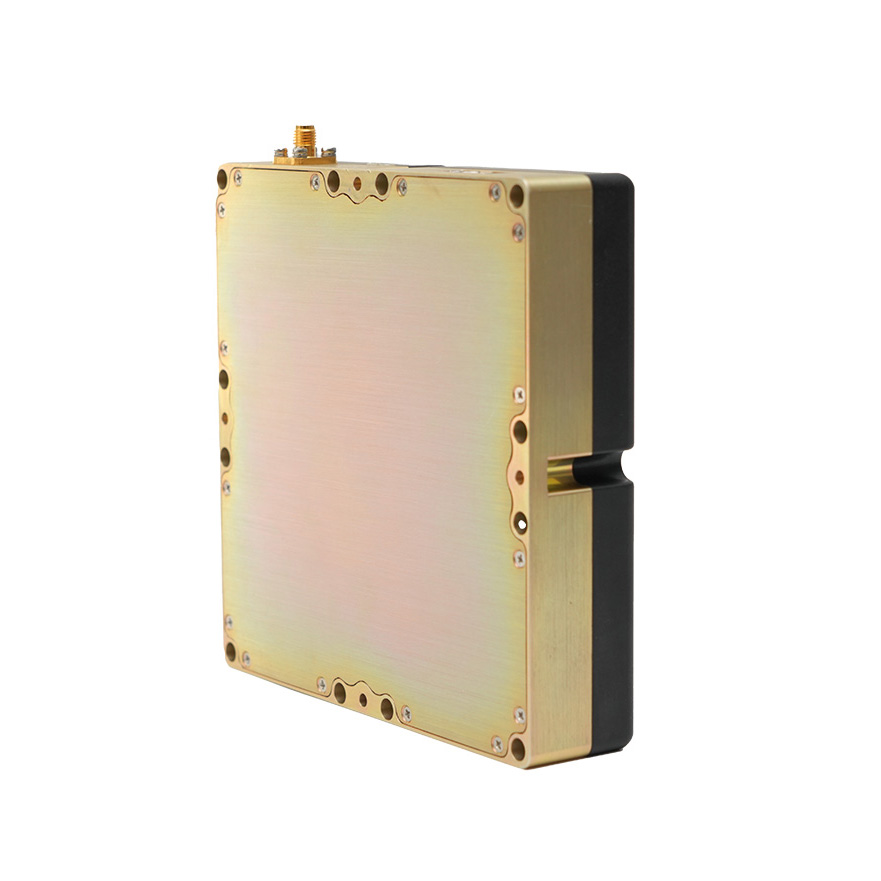 SLA-4B1L1-130
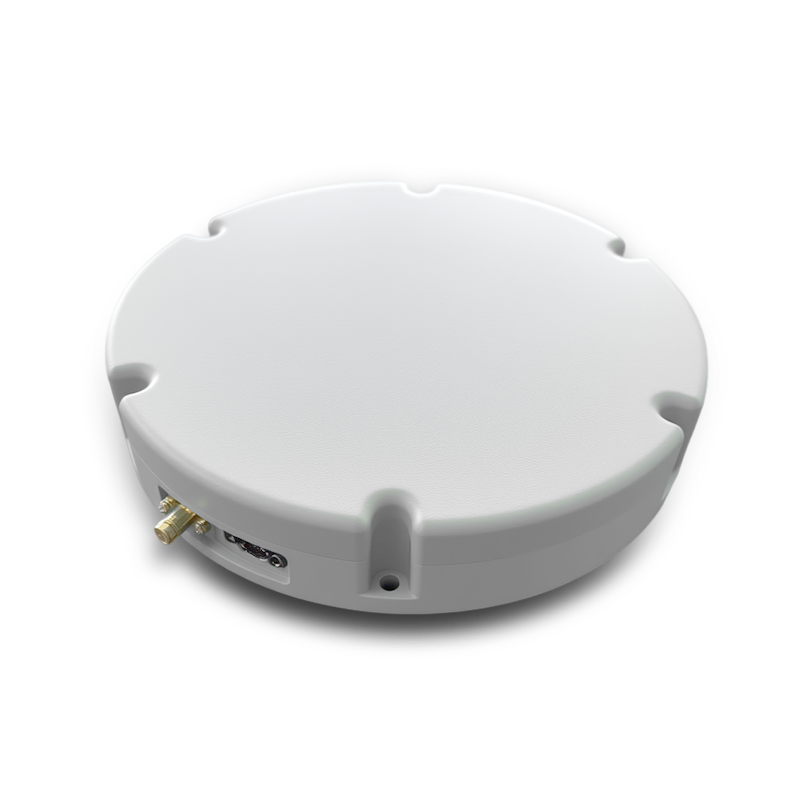 SLA-8B1L1-165
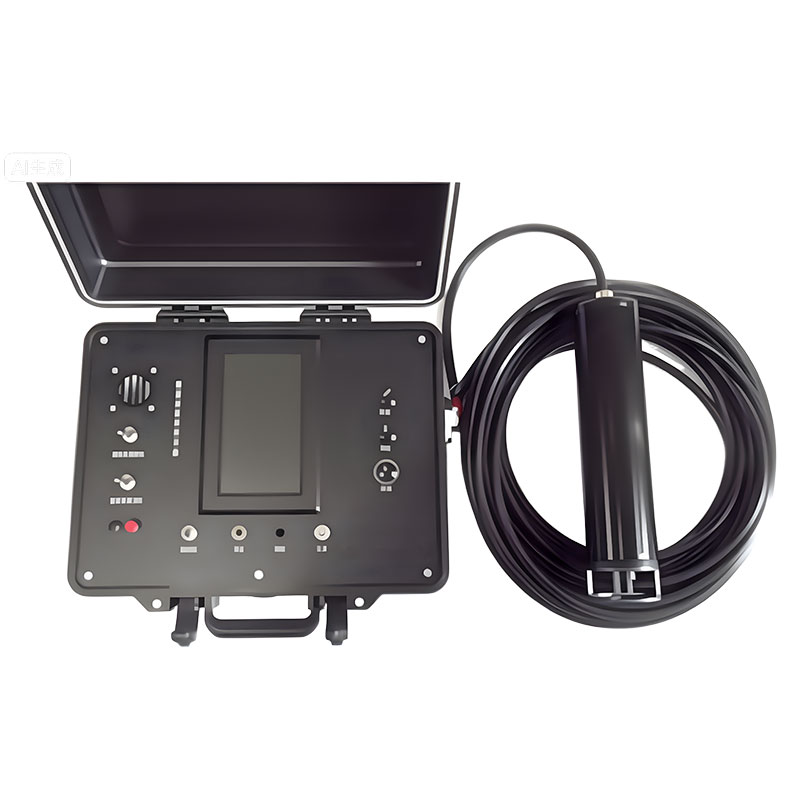 DIVER 101
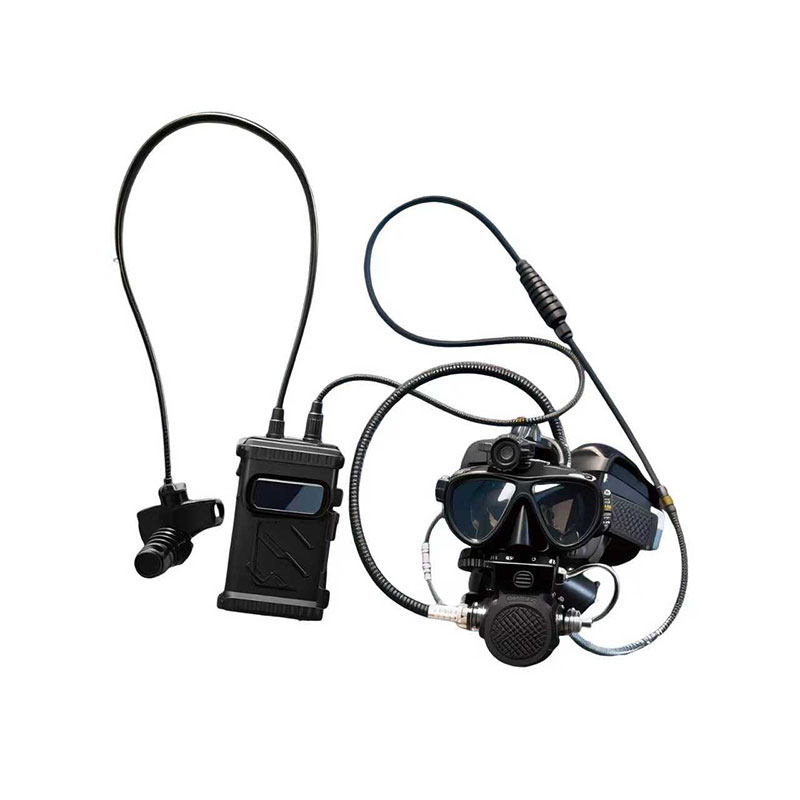 DIVER 102
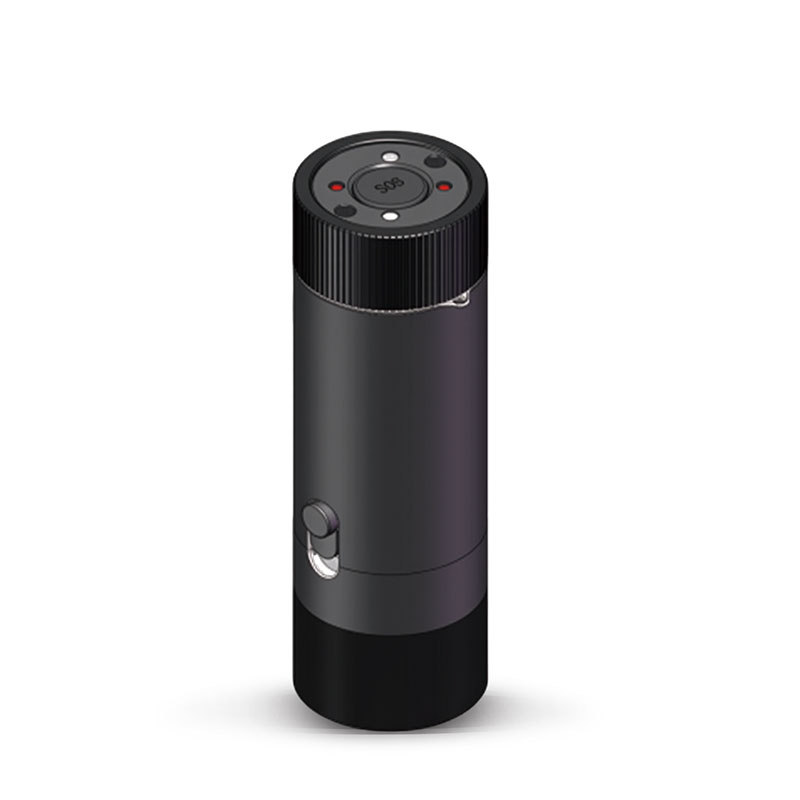 DIVER 103
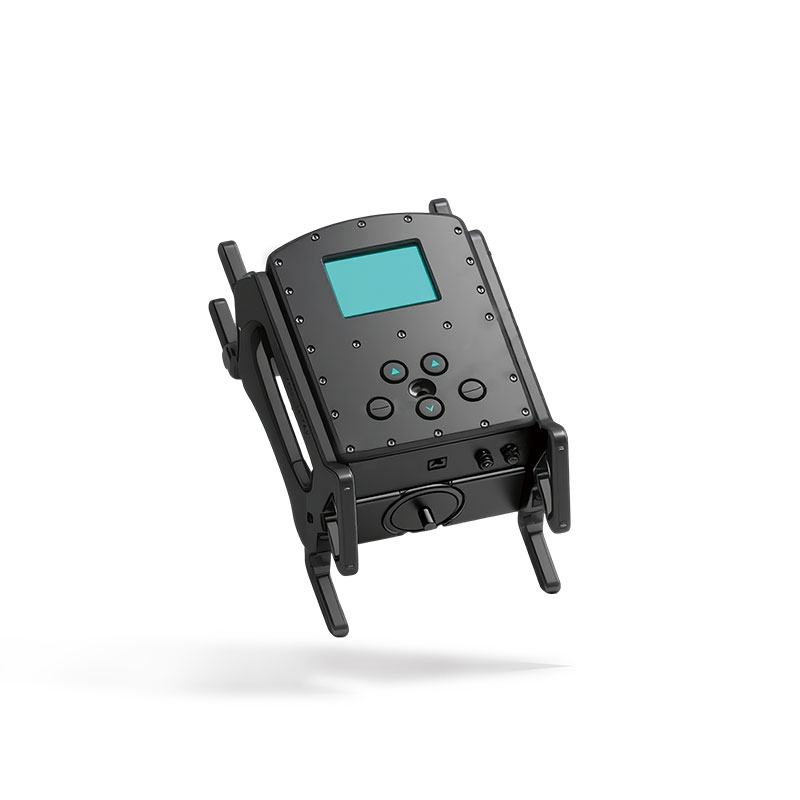 DIVER 104
 DIVER 105
 DIVER 106
 SLLR3000
 SLLR905
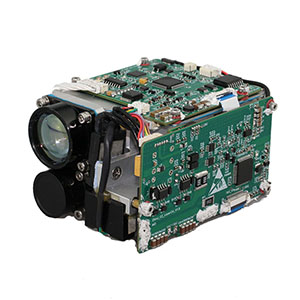 SLLD25
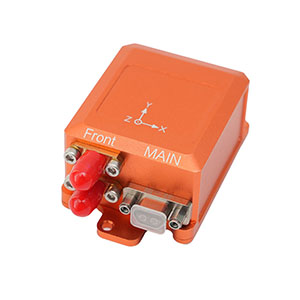 160M
160M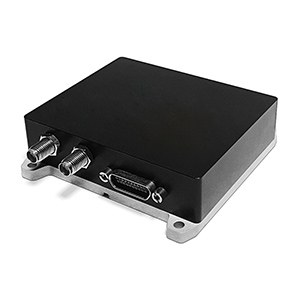 170M
170M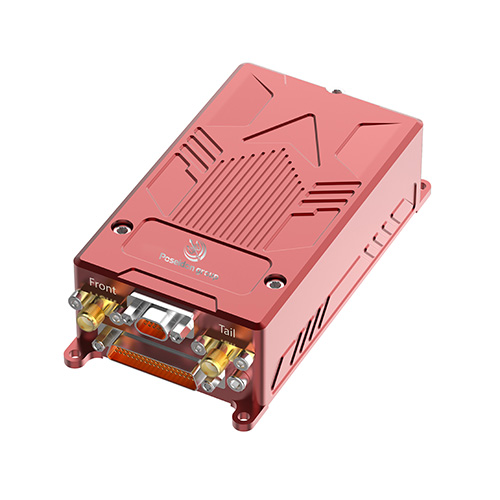 SLFC-70
 SLAF280
 MR360
MR360
Leave Your Message
Figuring out the best Optical Fiber Gyroscope for what you need can be pretty tricky. With so many options out there, it’s really important to know what you’re actually looking for. Experts like Dr. John Taylor from Precision Navigation Inc. often highlight how crucial it is to pick the right tech. I remember him saying once, “A good Optical Fiber Gyroscope can really define how accurate your results are.”
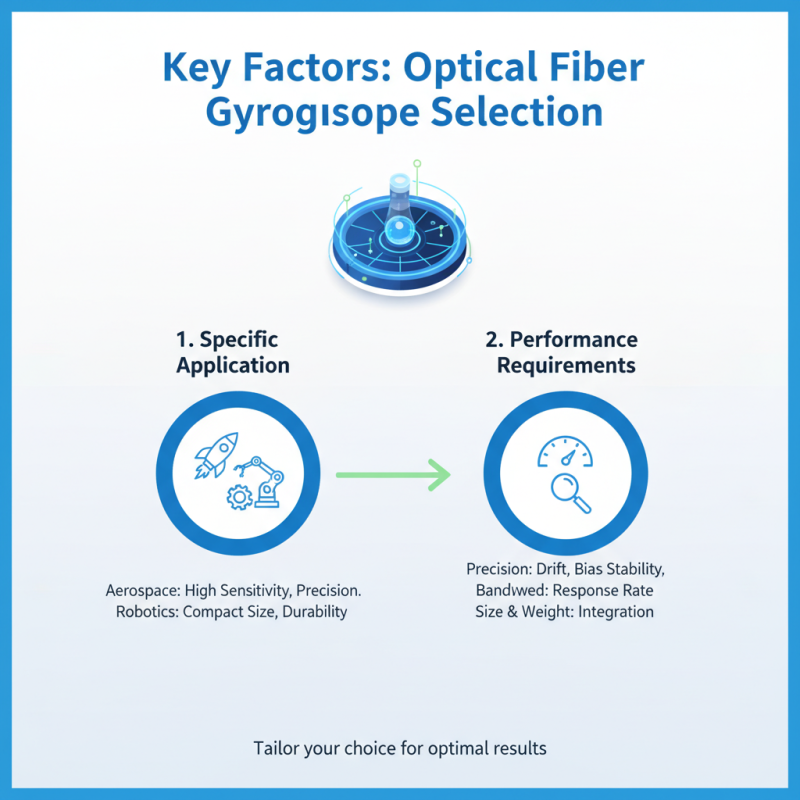
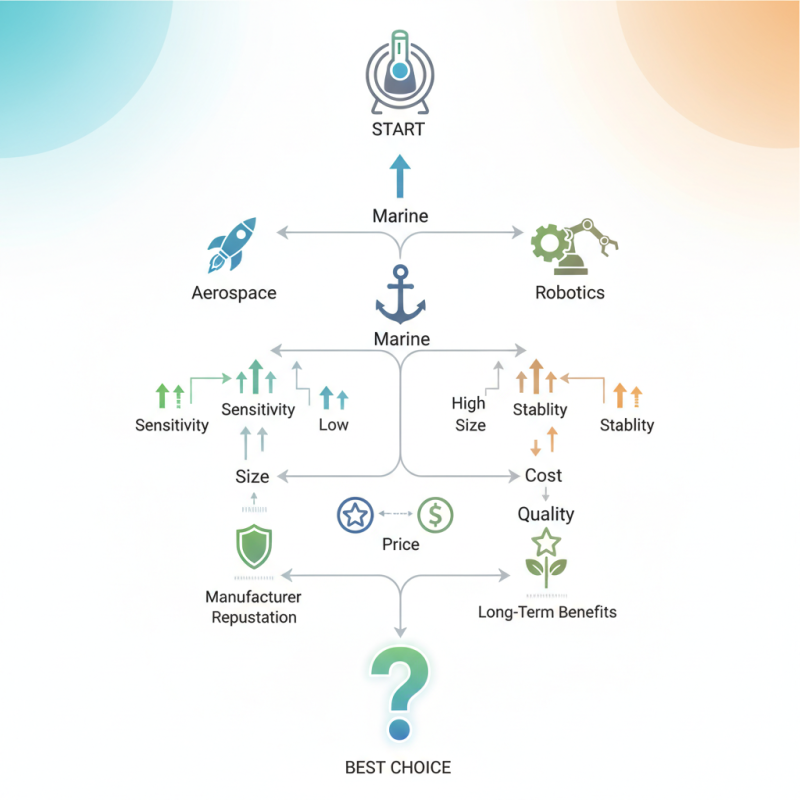
When you’re shopping around, think about your specific application. Are you working in aerospace, marine, or robotics? Each field has its own special needs. The sensitivity, stability, and size of these gyroscopes can differ a lot from model to model. So, take a moment to consider how these factors will affect your project.
Also, don’t forget to look into the manufacturers themselves. Reputable companies tend to offer solid support and reliable warranties. Sure, price matters—who doesn’t want to save a buck? But don’t cut corners on quality. Picking a lower-grade option might save you some cash now, but could end up causing headaches and extra costs down the line. It’s worth thinking long-term and investing in a higher-quality optical fiber gyroscope if you can.
Optical fiber gyroscopes (OFGs) are crucial in navigation, robotics, and various engineering applications. These devices rely on the principles of light interference to detect rotation. According to a 2022 market research report, the global optical fiber gyroscope market is expected to grow at a CAGR of 18% from 2022 to 2030. This rapid growth highlights the increasing demand for precision in navigation and measurement technologies.
Understanding OFGs involves recognizing their advantages over traditional gyroscopes. They offer higher sensitivity and lower drift rates, making them ideal for aerospace and maritime applications. A university study indicated that OFGs can achieve accuracy within 0.01 degrees per hour. This level of precision supports advancements in autonomous systems and satellite technology. However, the technology is not without challenges. Cost and complexity in integration can pose barriers for some applications.
Deciding on the right optical fiber gyroscope requires careful consideration of specific needs. Factors such as size, weight, and environmental conditions play significant roles. The choice of technology often depends on the trade-off between cost and performance. For instance, while high-performance models deliver superb accuracy, their expense may limit their adoption in consumer applications. Balancing these elements is crucial for effective implementation in real-world scenarios.
| Feature | Description | Considerations |
|---|---|---|
| Sensitivity | The ability of the gyroscope to detect small changes in rotation. | Higher sensitivity may be required for precision applications. |
| Stability | Resistance to environmental factors that could alter performance. | Consider the operating environment and potential disturbances. |
| Size and Weight | Physical dimensions and mass of the gyroscope. | Ensure it fits within the design constraints of your application. |
| Power Consumption | The amount of power required for operation. | Select a model that meets your power budget requirements. |
| Cost | The purchase price of the gyroscope. | Balance budget constraints with necessary features and quality. |
| Data Output | Types of data provided by the gyroscope (e.g., raw, filtered). | Ensure compatibility with data processing systems. |
| Response Time | The time it takes for the gyroscope to respond to changes. | Critical for applications requiring quick feedback. |
| Integration | Ease of integration with existing systems or platforms. | Consider compatibility with your current technology stack. |
The BSD60 Fast-Start Fiber Optic Gyroscope represents a significant advancement in the field of navigation and stabilization technology. Engineered with digital closed-loop technology, it achieves an impressive zero-bias stability ranging from 0.05°/h to 0.2°/h, ensuring unmatched accuracy for a variety of demanding applications. Its ultra-compact design, measuring just 60mm x 60mm x 30mm and weighing less than 160 grams, makes it ideal for integration into space-constrained environments, allowing for versatile deployment across various platforms.
The gyroscope's high precision and simplified structure enable it to perform exceptionally well under a wide dynamic range, making it suitable for various critical applications, including small inertial measurement units (IMUs), navigation systems, and guidance seekers. Additionally, its fast startup time and strong resistance to vibration and shock render it a reliable choice for both military and industrial sectors. Whether utilized in servo tracking or electro-optical pods, this advanced technology provides a robust solution for the ever-evolving demands of UAV operations and other sophisticated systems.
: Balance cost and performance. Assess sensitivity, stability, and required metrics for your use.
Not always. They may fail or provide less accuracy, leading to extra costs.
Reflect on your scenarios. Consider how often you need precise measurements and the environments.
Look for reliability, sensitivity, and durability. These traits ensure long-term usability.
Yes, user reviews provide insights into real-world performance and reliability of gyroscopes.
Very important. Good support saves time and trouble when issues arise later.
Evaluate if you need a complex or simpler model based on your project's needs.
No. Each may have different strengths and weaknesses. Do thorough comparisons.
Yes, a higher-quality gyroscope can save time and resources in the future.
Regular evaluations help ensure the gyroscope meets shifting needs and environments.
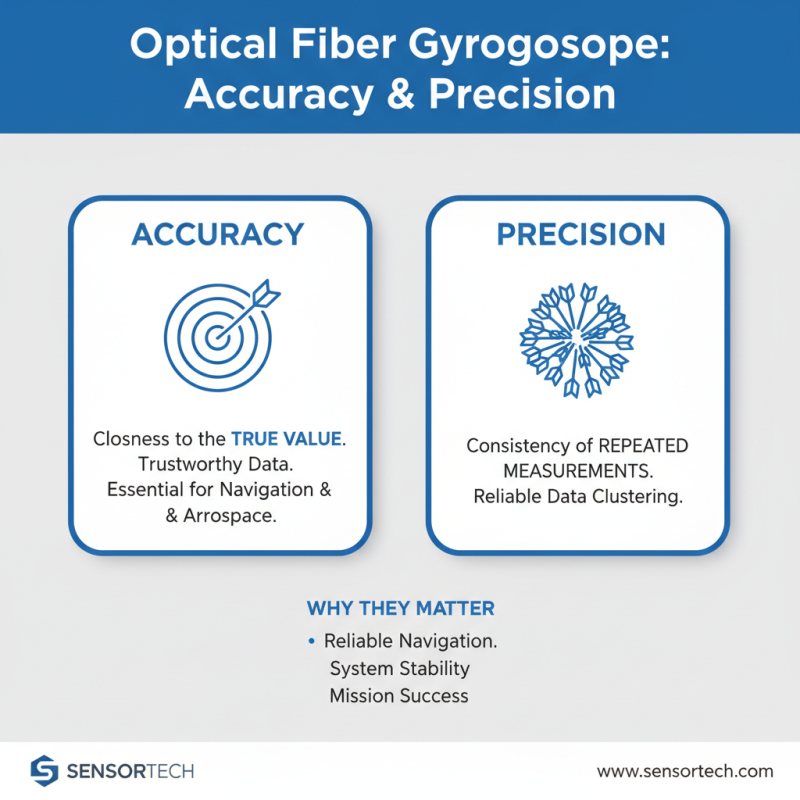
When selecting an Optical Fiber Gyroscope for your specific needs, it is essential to understand the fundamental principles and technology behind these devices. The overview of Optical Fiber Gyroscopes highlights their operation and advantages over traditional gyroscopes. Key factors such as accuracy, precision, and the varying types of optical fiber gyroscopes must be evaluated to ensure they meet the desired performance criteria.
Additionally, considering cost versus performance is crucial, as it can significantly impact overall value. Potential applications for Optical Fiber Gyroscopes range from navigation systems to aerospace applications, making it vital to identify the right fit for your requirements. Finally, a comparative analysis of leading manufacturers can aid in making an informed decision, ensuring the chosen gyroscope aligns with both technical specifications and budget constraints.