In today’s world, everything moves pretty fast, and getting around smoothly is more important than ever. That’s where Ins GPS Navigation really comes in handy for travelers—it helps you find your way easily and makes your trips a lot less stressful. I read a recent study from the GNSS Association that shows almost 80% of people see better travel times when they use this kind of advanced navigation tech. Pretty impressive, right?
Robert Lane, who’s kinda a big deal when it comes to GPS tech, put it simply: "Using Ins GPS Navigation can save you a ton of time and help keep your stress levels down while you're on the move." His point is, if you take the time to learn how to use it right, this tech can seriously change the way you explore new places.
That said, I get it—sometimes the app can feel a bit overwhelming, or the settings aren’t exactly intuitive, which can lead to some annoying delays or frustration. But honestly, if you’re willing to get the hang of it and understand what it can and can’t do, Ins GPS can really unlock a smoother, more enjoyable journey. It's all about engaging with the tech a bit and knowing its features, so you can make the most of it and turn those navigation headaches into a thing of the past.
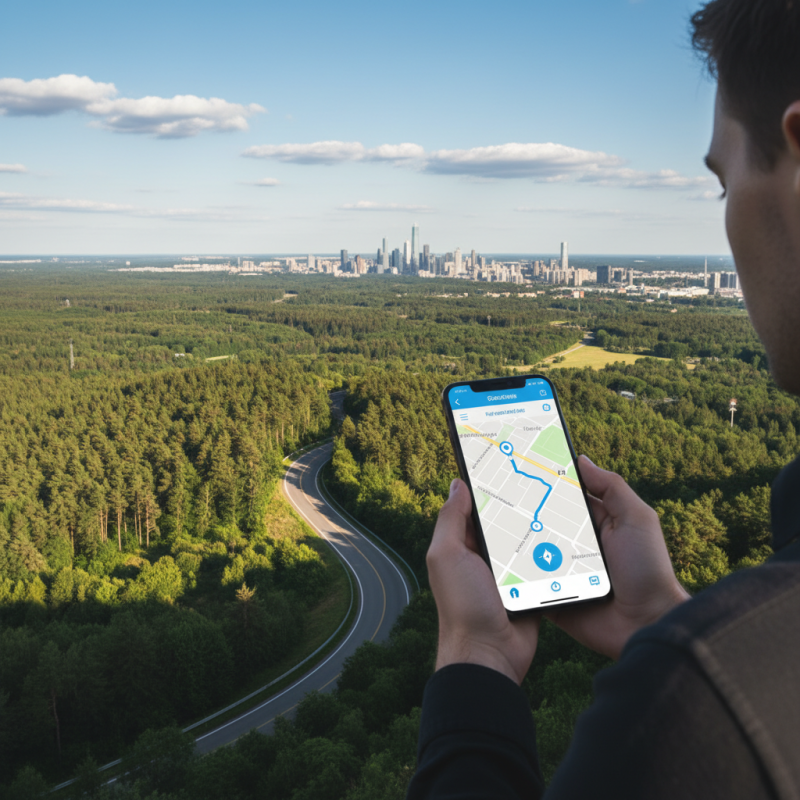
Understanding the Basics of Ins GPS Navigation Systems
Understanding the basics of Ins GPS navigation systems is essential for modern travelers. These systems provide real-time location data and directions. They rely on satellites, offering a high degree of accuracy. According to the International GPS Service, modern GPS technology has an accuracy within 5 meters for civilian use.
Many users overlook system updates. Regular updates improve map accuracy and add new features. Outdated maps can lead to wrong turns and delays during travel. In fact, research indicates that nearly 30% of users experience navigation issues due to outdated software.
Tips: Always check for the latest updates before a trip. This simple step can enhance your navigation experience significantly.
Another aspect to consider is user familiarity. Navigating new areas can be challenging. Some travelers hesitate to trust GPS navigation fully. Reflecting on past experiences can help identify these hesitations. While GPS is reliable, it’s wise to have a backup plan. Paper maps or local apps can come in handy when signals are weak.
Tips: Download offline maps as a backup. This ensures you have access to directions even without a signal.
Key Features of Ins GPS Navigation for Travelers
When traveling, using Ins Gps Navigation can greatly enhance your experience. This tool provides reliable and precise guidance, making it easier to explore new places. With real-time updates, you can avoid traffic jams and find the fastest routes. The voice prompts keep you engaged, allowing you to focus on the road and the scenery around you.
Another key feature of Ins GPS Navigation is its ability to work offline. You can download maps ahead of time, ensuring you won't get lost without a signal. However, it’s important to remember that the accuracy of offline maps may vary. You might discover wrong information or outdated routes in some areas. This is something that travelers should be mindful of when planning their journeys.
Additionally, custom settings allow you to choose preferred routes. Whether you want scenic paths or highways, Ins GPS Navigation can cater to your preferences. Sometimes, though, the preferences set may not align with real-life conditions. Take the time to check local conditions before relying solely on the app. Being aware of these nuances will improve your travel experience significantly.
Step-by-Step Guide to Setting Up Ins GPS Navigation
Setting up GPS navigation can seem daunting at first. But with practical steps, you will find it easier to explore new places. Begin by ensuring your device is charged. Without power, even the best navigation software won’t serve you.
Next, input your destination accurately. Double-check the spelling of streets or landmarks. Small errors can lead you to the wrong place. After entering the information, review the route it suggests. Sometimes, it might offer a longer path due to traffic. Don’t hesitate to adjust based on your preferences.
Keep in mind that sometimes, signals can be tricky. Tall buildings or dense forests might disrupt your location accuracy. If that happens, try to reconnect to the satellite. Patience is key. Consider downloading maps in advance, as this helps when offline. Enjoying your journey while staying flexible will lead to better travel experiences.
Travel Distance Traveled Per Month Using GPS Navigation
Best Practices for Using Ins GPS Navigation on the Go
Using GPS navigation can enhance your travel experience. Awareness of best practices is essential. For instance, always update your maps before starting a journey. This could prevent delays caused by outdated information. It’s crucial to familiarize yourself with the interface before hitting the road. Some features are easy to overlook.
Stay focused while navigating. It’s tempting to glance at the screen frequently, but this can lead to distractions. Consider setting your GPS to read directions aloud. This way, your eyes remain on the road. Make sure to save important locations in advance. Sudden changes can lead to stress and anxiety.
Another key point is to trust your instincts. Sometimes the GPS may suggest a longer route. Evaluate if an alternative path could save time. If you're in an unfamiliar area, don't hesitate to ask locals for directions. They often provide insights that technology cannot. Embrace occasional uncertainties; they might lead to hidden gems along the way.
Analyzing Real-Time Traffic Data in Ins GPS Navigation
Real-time traffic data plays a crucial role in modern GPS navigation systems. Accurate analysis of this data can help travelers avoid delays. According to a recent study, 70% of users experienced faster travel times by leveraging real-time traffic updates. This highlights the effectiveness of utilizing Gps And Ins technology for road trips.
Traffic congestion often leads to frustrations. Even small delays can impact overall travel plans. Research indicates that drivers can save an average of 30 minutes per journey when using updated traffic information. It seems like a straightforward decision, yet many fail to adjust routes based on this data. Instead, they stick to familiar paths, overlooking better options.
Incorporating live traffic reports into navigation can be a game changer. A report revealed that drivers who adapt their route experience a 20% reduction in travel time. While this sounds promising, not all users trust these updates. Some remain skeptical and dismiss potential improvements. Yet, embracing real-time insights could drastically enhance the travel experience with GPS and Ins.
Integrating Offline Maps for Reliable Navigation
Using offline maps is essential for reliable navigation. Many travelers rely solely on internet-based GPS. However, this can lead to issues in remote areas. A recent study shows that 25% of travelers experienced failed connections during their trips. This reliance can cause delays and frustration.
Having offline maps downloaded can save time and avoid unnecessary stress. They provide clear routes even without cellular signals. For example, areas with low reception can still be navigated effectively. According to industry data, 70% of users find offline navigation more efficient. The ability to use Gps Aided Ins helps in understanding complex terrains. Offline maps often come with detailed information, including points of interest and local conditions.
Travelers should consider alternate methods too. Unplugging from tech may enhance the experience. Yet, it's vital to have a backup. Ready-to-use offline maps ensure you're never truly lost. Still, preparing these maps in advance can be an afterthought. Ultimately, having a reliable strategy is crucial. Remember to download them ahead of your journey. This planning can significantly enhance your travel experience.
How to Use Ins Gps Navigation Effectively for Better Travel? - Integrating Offline Maps for Reliable Navigation
| Feature |
Description |
Benefits |
Offline Capability |
| Real-time Traffic Updates |
Provides live information on traffic conditions. |
Helps avoid congestion and saves travel time. |
Requires internet to access real-time data. |
| User-friendly Interface |
Easy navigation through menus and options. |
Enhances user experience and efficiency. |
Interface remains accessible even offline. |
| Integrated Offline Maps |
Downloadable maps for areas with poor connectivity. |
Ensures navigation remains functional without data. |
Fully operational when installed. |
| Voice Navigation |
Audible directions to assist drivers. |
Allows hands-free navigation for safer driving. |
Available in offline mode after download. |
| Point of Interest (POI) Searching |
Search for nearby attractions, restaurants, etc. |
Enhances travel experience with recommended spots. |
Limited to downloaded data for offline use. |
Case Studies: Successful Travel Experiences with Ins GPS Navigation
Travelers are increasingly relying on GPS navigation systems to enhance their journeys. A recent survey revealed that 70% of travelers consider GPS navigation essential for planning their trips effectively. The use of Embedded Gps Ins technology has revolutionized how people explore new places. This technology not only provides accurate directions but also suggests alternative routes and points of interest along the way.
Case studies illustrate the effectiveness of GPS navigation. In a recent instance, a group of hikers used a navigation app that integrates embedded GPS INS technology. This feature allowed them to locate hidden trails and scenic viewpoints that were not on traditional maps. They reported feeling more adventurous and connected to nature, highlighting how technology can enhance real-world experiences.
However, users should be cautious. Relying solely on GPS can lead to overconfidence. One traveler noted that while the navigation system was helpful, it sometimes directed them to remote areas without proper facilities. This raises questions about the need to balance technology with traditional navigation skills. Exploring unfamiliar places offers invaluable experiences, but it is essential to stay aware of one’s surroundings.
Enhancing UAV Performance: Insights from Recent Market Reports on Inertial Navigation Sensors like BSD120
In recent years, the market for inertial navigation sensors has seen significant advancements, particularly with the emergence of all-solid-state gyroscopes such as fiber optic gyroscopes. These sensors are renowned for their rapid startup times, wide measurement ranges, and high reliability, making them ideal for challenging applications. Among these, precision fiber optic gyroscopes have proven essential for a variety of high-precision inertial navigation systems, including those used in UAV navigation, autonomous vehicles, and industrial automation.
The uniaxial precision fiber optic gyroscope offers remarkable features that enhance its applicability in precision-demanding environments. With a compact design that allows for a lightweight structure, it provides superior performance characterized by excellent zero-bias stability, ensuring accurate measurements over time. Furthermore, its robust construction allows it to withstand vibration and shock, which is crucial for sustained functionality in dynamic conditions. Whether used for land positioning orientation, vehicle north finding, airborne navigation, or marine gyroscopic applications, this technology stands out for its efficiency and versatility.
The integration of digital closed-loop technology within these sensors marks a considerable leap forward in gyroscopic performance. This innovation ensures not only precision but also adaptability, enabling users to leverage these tools in diverse environments. As the demand for reliable navigation systems rises, fiber optic gyroscopes continue to set new benchmarks, reinforcing their significance in the ever-evolving landscape of unmanned aerial vehicle performance enhancement.
FAQS
: You can use paper, fabric, wood, and plastic. Explore various textures and colors for unique creations.
Choose a simple project first. Gather necessary materials and tools. Follow a tutorial if needed.
Mistakes happen. Embrace them as part of the learning process. Adjust your approach and keep going.
Browse online platforms, visit local stores, or join crafting groups. Look for designs that spark your interest.
Not necessarily. Start with basic supplies. Use reclaimed materials to save money and reduce waste.
It varies by project complexity. Simple projects may take hours, while intricate ones could take days or weeks.
Yes! Join a crafting club or invite friends. Share ideas and work on projects together for fun.
Take a break. Sometimes, stepping away helps clear your mind. Return refreshed and more inspired.
Practice regularly and try new techniques. Seek feedback from others and watch tutorials to learn different skills.
It's common to be inspired. However, always aim to put your unique twist on it to make it distinct.
Conclusion
Ins GPS Navigation is an essential tool for travelers, enhancing trip planning and navigation efficiency. Understanding the basic functionalities of Ins GPS systems lays the foundation for effective use. Key features designed for travelers, such as real-time traffic updates and offline maps, contribute significantly to a smoother travel experience.
Setting up Ins GPS Navigation involves a straightforward process, but employing best practices while on the go makes a notable difference. Analyzing real-time traffic data allows travelers to avoid delays, while integrating offline maps ensures reliable navigation even in areas with poor connectivity. Through case studies showcasing successful travel experiences, it becomes evident that mastering Ins GPS Navigation can lead to more enjoyable and stress-free journeys.

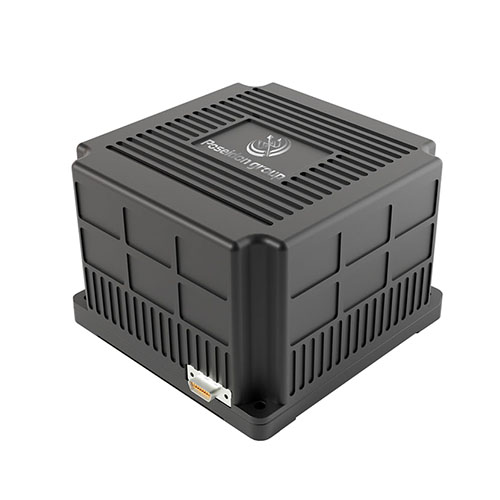 TBSD60
 BSD120
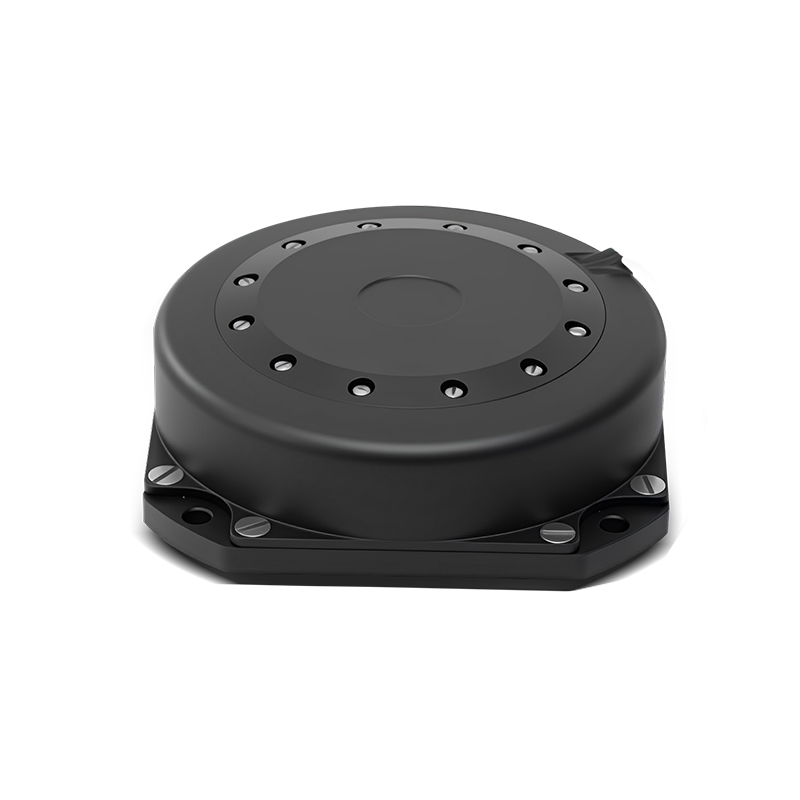 BSD98
BSD98 BSD70
BSD70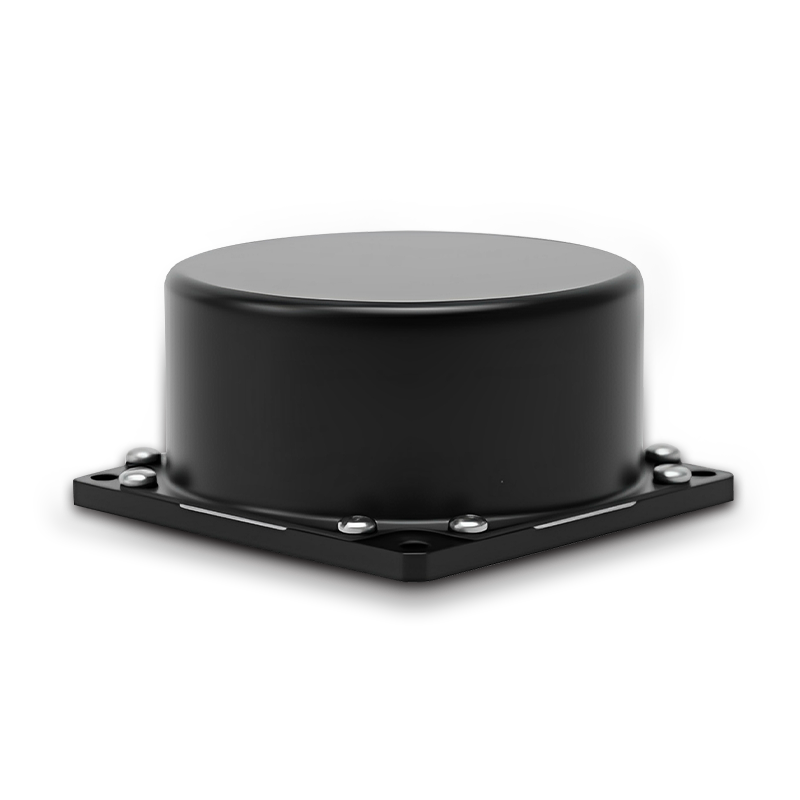 BSD60
BSD60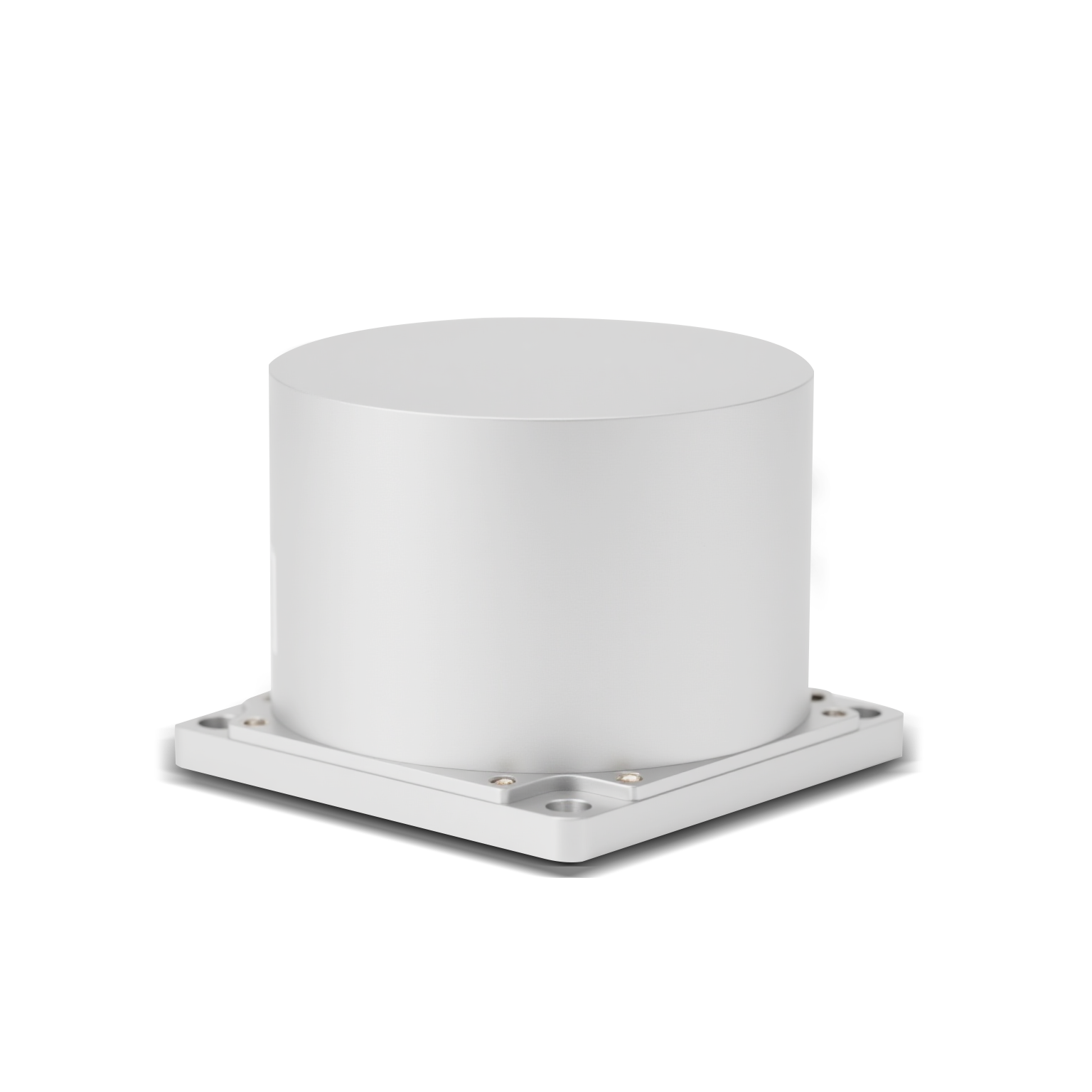 BSD50
BSD50 BSD217
 INS1700
 INS970
 INS570
 INS170
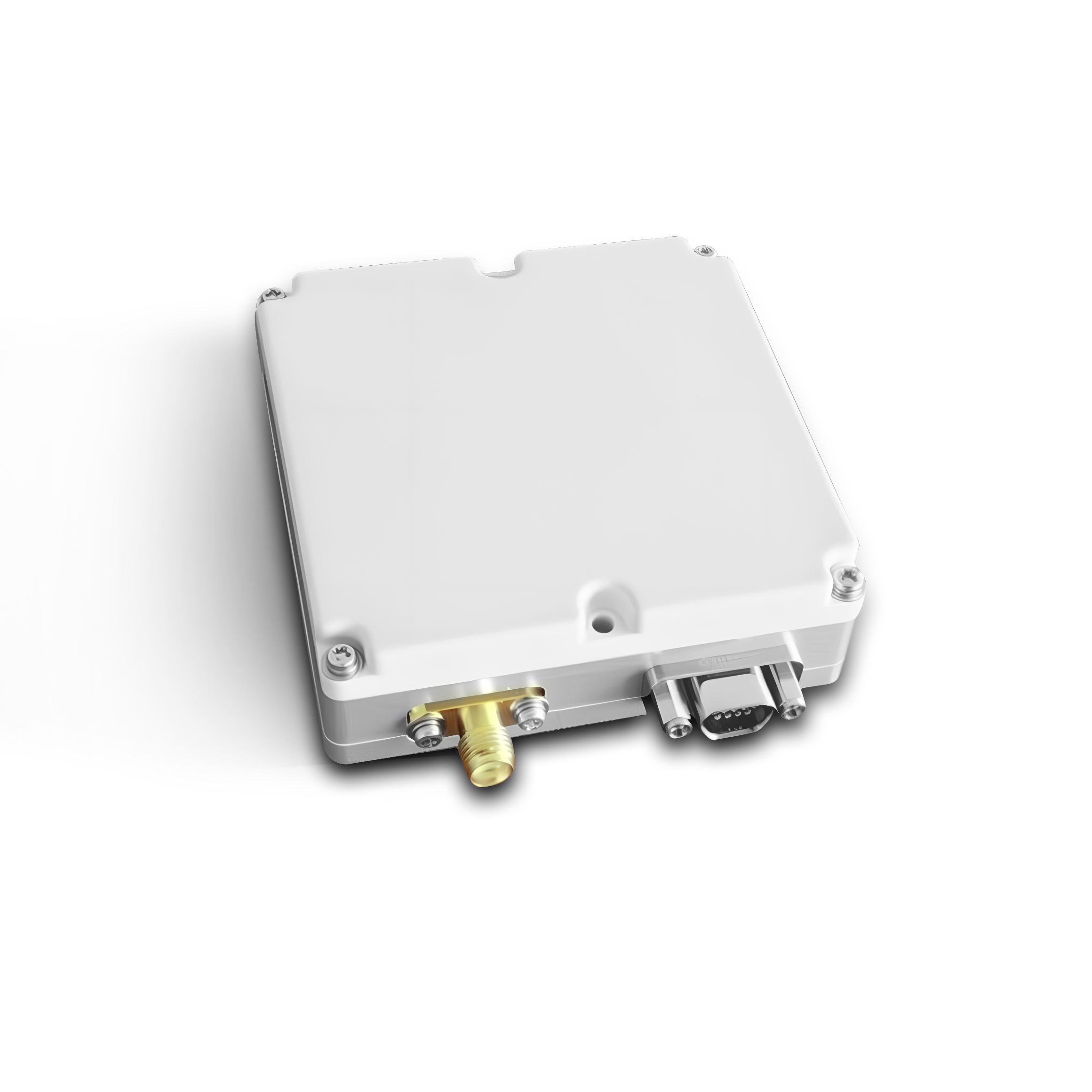 SLA-4B1L1-65
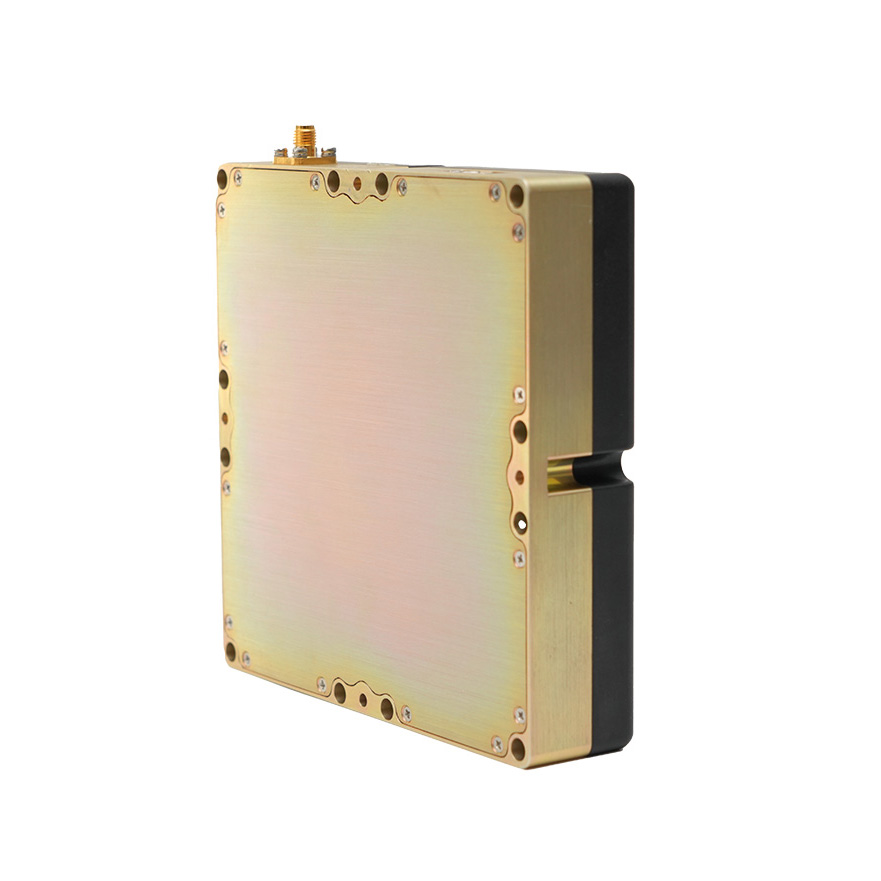 SLA-4B1L1-130
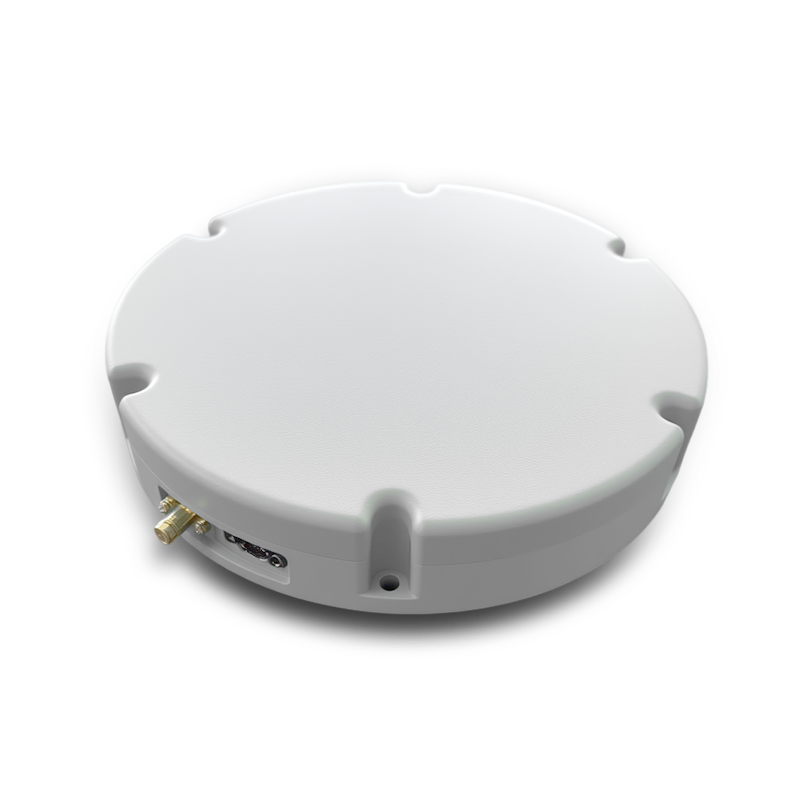 SLA-8B1L1-165
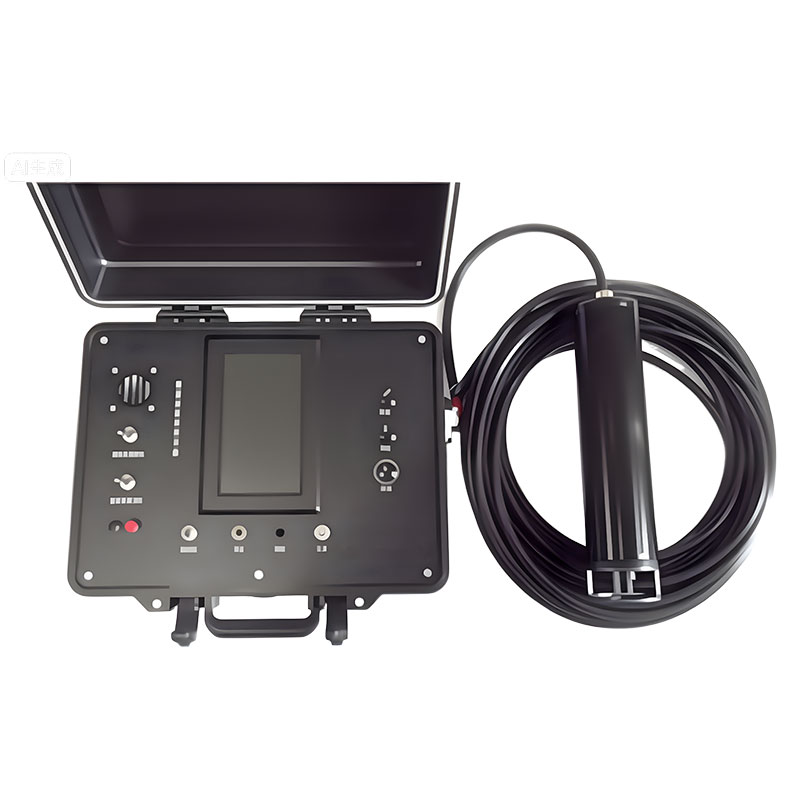 DIVER 101
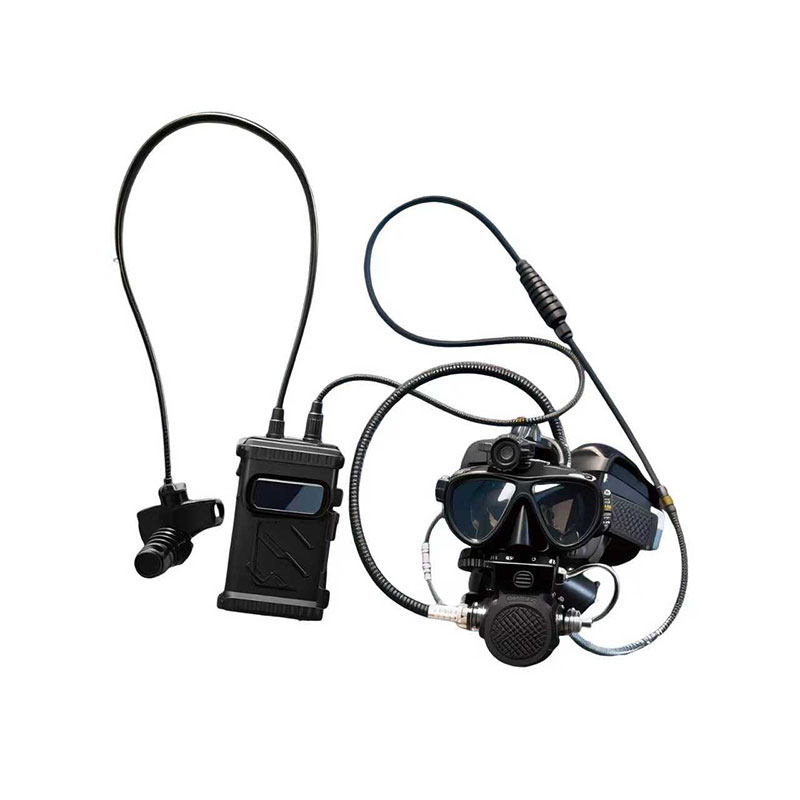 DIVER 102
 DIVER 103
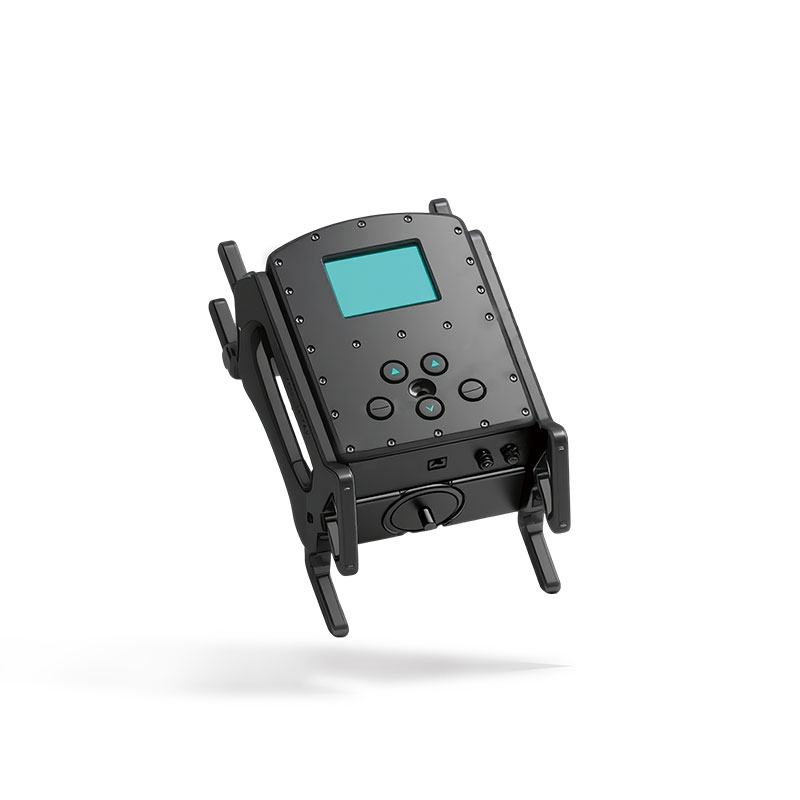 DIVER 104
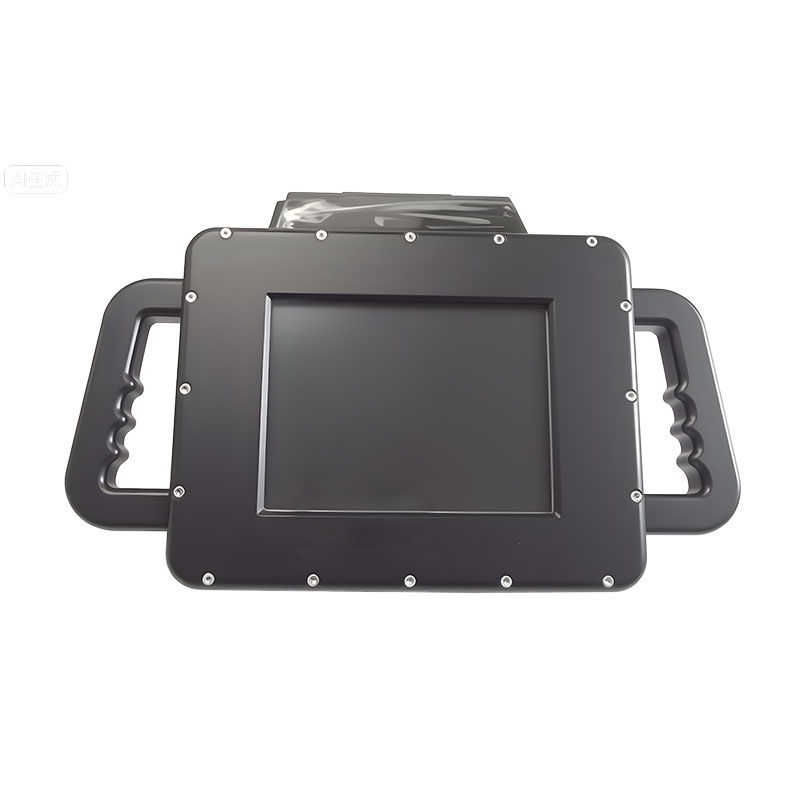 DIVER 105
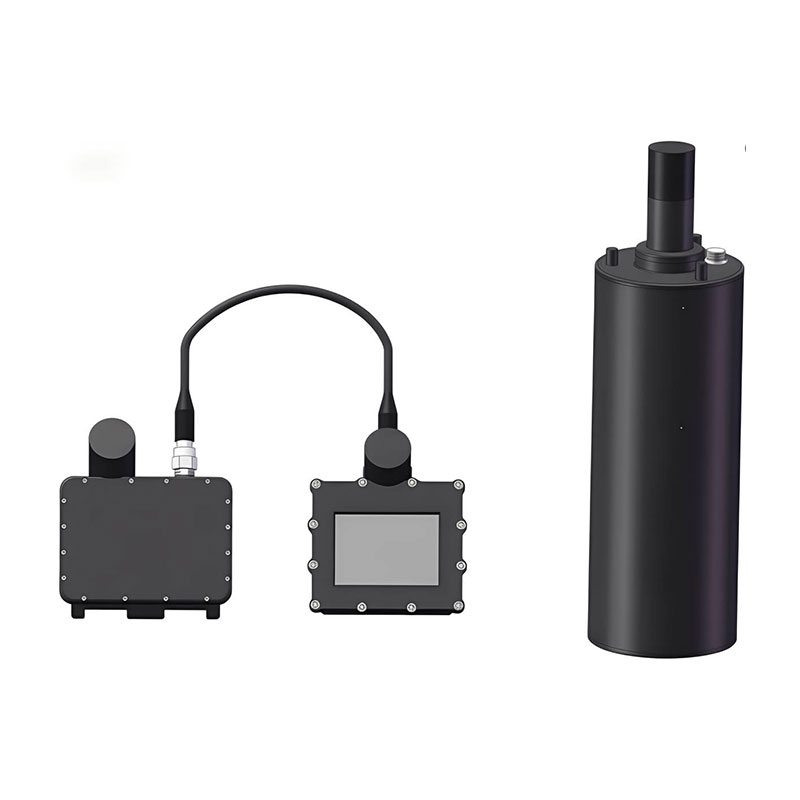 DIVER 106
 SLLR3000
 SLLR905
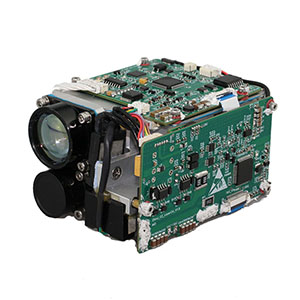 SLLD25
 160M
160M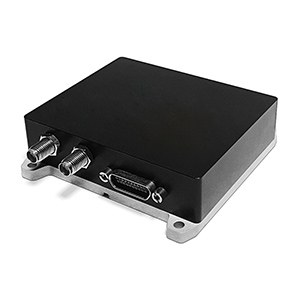 170M
170M SLFC-70
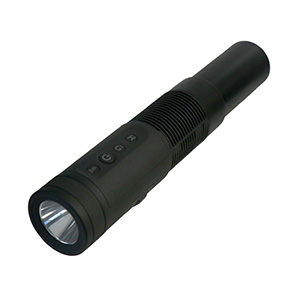 SLAF280
 MR360
MR360