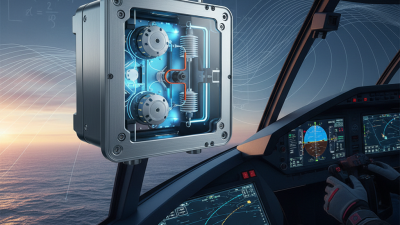
These days, with tech advancing so quickly, Inertial Positioning is really making waves as a game-changer. Many experts actually believe it could totally reshape how we do navigation and tracking. For example, Dr. Emily Richards from TechNav Solutions points out, “Inertial Positioning lets us track locations really accurately—no need for external signals like GPS.”
Basically, it works by using sensors to figure out where something is, measuring how it's moving and accelerating. This real-time info can totally boost industries like logistics, robotics, and more. But, of course, it’s not perfect—there are some hurdles to clear. Over time, the accuracy can drift because of sensor errors, which means companies need to keep making improvements to keep things reliable.
Plus, environmental stuff can throw a wrench in the works. Things like magnetic interference or physical barriers can mess with the system's effectiveness. So, there's this ongoing race to find the perfect solution—balancing top-notch precision with practicality is no easy feat for engineers and researchers. Inertial Positioning definitely has a lot of potential, but it’s still a work in progress, needing more fine-tuning before it’s ready for prime time.

Understanding Inertial Positioning Technology
Inertial positioning technology relies on sensors to track movement. It captures acceleration and rotation to determine position over time. This method is vital in various fields like aerospace and robotics. According to an industry report, the global inertial navigation system market is expected to reach $13.0 billion by 2027, growing at a CAGR of 7.4% from 2020. This growth highlights the increasing reliance on precision technology.
The key components of inertial positioning include accelerometers and gyroscopes. These sensors detect changes in motion. They help determine the orientation and velocity of an object. However, one major challenge is drift, which can lead to inaccuracies over time. Regular recalibration is necessary to enhance precision.
Tips: Always combine inertial positioning with other methods, like GPS, for better accuracy. Consider the environment you’re in; dense urban areas may disrupt signals. Monitor sensor outputs regularly to identify any anomalies early.
Effective integration of inertial technology can create significant advantages in navigation and tracking systems.
Principles of Inertial Positioning System Components
Inertial Positioning Systems rely on sensors to track movement. These systems use accelerometers and gyroscopes. Accelerometers measure changes in velocity. They help determine position changes in a defined space. Gyroscopes track orientation and rotational movement. Together, they provide accurate data on an object's path.
The components work in harmony. For instance, a small-sized accelerometer could easily fit in your pocket. It reacts to changes in speed; it clicks into action with every step. This provides real-time feedback. However, the accuracy can fade over time. Drift becomes a challenge. Regular calibration is essential to maintain precision.
Data interpretation is where things get complex. The system must fuse information from various sensors. Data needs to be smooth and coherent. Sometimes, it gets jittery or loses track. It’s a constant balance of inputs and algorithms. Understanding these nuances is vital. Each detail can affect overall performance in an Inertial Positioning System.
Types of Sensors Used in Inertial Positioning
Inertial positioning relies on various sensors to track movement. The most common types of sensors used are accelerometers and gyroscopes. Accelerometers measure changes in speed and direction. They detect acceleration forces when an object moves. This data helps in estimating a position over time.
Gyroscopes measure the orientation of an object based on angular momentum. They help maintain the direction of movement. When combined with accelerometers, they provide a comprehensive view of motion. However, sensor noise can affect accuracy. That's a reality we must reflect on.
Another sensor type is magnetometers, used to measure magnetic fields. They help in determining geographical heading. This is vital for navigation in areas where GPS signals are weak. Each sensor has strengths and weaknesses. Understanding their limits is essential for effective inertial positioning applications.
How Inertial Positioning Calculates Location and Movement
Inertial positioning relies on key components like
accelerometers and
gyroscopes. These sensors track movement by measuring
acceleration and rotation. They help determine a device's position over time. According to a recent market
research report, the inertial navigation system market is projected to reach $33 billion by
2027. This growth is fueled by advancements in technology and increased demand for precision.
Imu Inertial
systems process data to calculate distance traveled and orientation. However, they can accumulate errors
over time. This phenomenon, known as drift,
can lead to inaccurate location readings. Researchers estimate that for high-speed vehicles, drift can result
in position inaccuracies of up to 10 meters. This limitation
challenges current applications in industries like aerospace and autonomous vehicles.
Additionally, the integration of IMU inertial systems with external references can enhance accuracy. Combining
inertial data with GPS signals can effectively reduce drift. Still, relying solely on inertial positioning
has its risks, especially in environments with weak satellite signals. Here, sensor fusion becomes crucial
for reliable navigation. The future of inertial positioning holds promise, but it also requires careful
consideration of its limitations.
Applications of Inertial Positioning in Various Industries
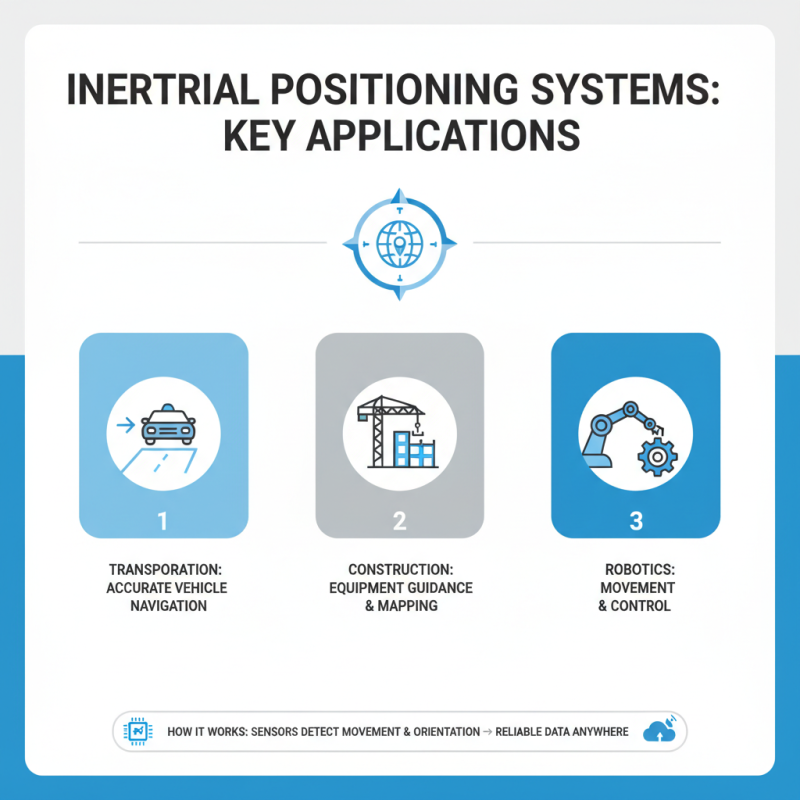
Inertial positioning systems are increasingly found in various industries. They have wide applications, including transportation, construction, and robotics. In transportation, these systems help vehicles navigate accurately. They rely on sensors that detect movement and orientation. This provides important data, even in challenging environments.
In construction, inertial positioning aids in monitoring equipment. It ensures that heavy machinery operates within designated areas. Precision is crucial here. Any mistake can lead to accidents. Also, in robotics, these systems enhance autonomous functions. Robots can move effectively in unpredictable conditions.
However, the technology is not without challenges. Inertial Gps may drift over time, causing accuracy issues. Users need to regularly calibrate systems. This ensures optimal performance. Moreover, integrating inertial systems with other positioning methods can complicate things. Balancing simplicity and precision is an ongoing struggle for industries.
Advantages and Limitations of Inertial Positioning Systems
Inertial Positioning Systems (IPS) have gained traction due to their unique advantages. They measure position based on the motion of an object using accelerometers and gyroscopes. This allows them to work without external signals, making them vital for navigation in GPS-denied environments. For instance, a report by the International Journal of Advanced Robotic Systems in 2021 mentioned that IPS can achieve accuracies of about 1% of the distance traveled.
However, IPS also face limitations. One significant issue is drift over time. As sensors accumulate errors, the accuracy degrades. This can be particularly problematic for long-duration missions. Furthermore, different environmental factors can affect sensor performance, leading to inconsistent data. A study from IEEE Transactions on Aerospace and Electronic Systems highlighted that the error could grow to 10% in less than an hour of operation.
Cost is another factor to consider. Advanced sensors for IPS can be expensive. Organizations must weigh the benefits against the investment required. While IPS offer promising solutions, the potential for errors and high costs necessitate careful evaluation in their application. Users should ask if the trade-offs align with their specific needs.
Future Trends and Developments in Inertial Positioning Technology
Inertial positioning technology is evolving rapidly. This advancement could change how we navigate and understand our surroundings. Imagine drones flying autonomously through urban landscapes. They rely on this technology to avoid obstacles. However, challenges remain. The accuracy and reliability of inertial measurements can still fluctuate due to various factors, such as environmental conditions.
Future trends suggest significant enhancements in sensor technology. Smaller, more efficient sensors are on the horizon. They will provide real-time data, improving navigation precision. There is also a focus on integrating inertial systems with other technologies. Combining satellite data with inertial measurements could decrease errors. Yet, this integration raises questions about data security and integrity.
Developers are exploring machine learning applications in inertial positioning. This can help in processing complex data and improving user experiences. Nonetheless, the path forward is not without hurdles. Researchers must address potential biases in data interpretations. The balance between innovation and ethical considerations will be vital. As we look ahead, the potential of inertial positioning is both promising and challenging.
Innovative UAV Navigation Solutions: Exploring the Benefits of the Digital BSD98 Lightweight Inertial Sensor
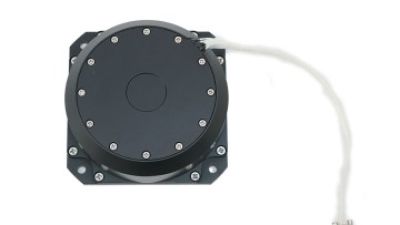
In the evolving landscape of unmanned aerial vehicles (UAVs), precision navigation solutions are vital for maximizing operational efficiency and safety. The incorporation of advanced inertial sensors has transformed how UAVs perceive their environment, enabling them to navigate more effectively in challenging conditions. One noteworthy advancement in this arena is the integration of digital closed-loop technology within lightweight inertial sensors. These sensors significantly enhance zero-bias stability, achieving figures as low as 0.01°/h to 0.05°/h, even with demanding smoothing requirements. Such precision is critical for applications that require meticulous control over navigation, positioning, and data collection.
The developing trends within the aerospace and defense sectors underscore the demand for high-performance inertial navigation systems. According to recent industry reports, the global inertial navigation systems market is projected to reach approximately $16.24 billion by 2025, driven by the rapid adoption of UAV technologies across various sectors including agriculture, logistics, and surveillance. Lightweight sensors that can endure rugged environments without compromising performance are essential for UAV applications, providing resilience against vibrations and shocks while ensuring rapid system startup and extensive dynamic range capabilities. This adaptability makes advanced inertial sensors suitable for a variety of platforms, from vehicle-mounted systems to sophisticated automated solutions.
The move toward more compact and versatile sensors reflects a broader trend within the UAV market aiming to streamline operations and enhance sensor payload performance. As the need for reliable navigation continues to grow, the introduction of innovative solutions like these will play a pivotal role in the next generation of UAV missions, leveraging cutting-edge technology to improve accuracy and operational flexibility.
FAQS
: The product enhances efficiency and saves time. It also simplifies tasks, allowing for better focus on priorities.
Consider your specific needs. Evaluate how the product aligns with your daily tasks or long-term goals.
Yes, it is versatile. It works well at home, in the office, or on the go.
Regular cleaning is necessary. You may also need to check for updates occasionally.
Some users report confusion during initial use. It may take time to get fully accustomed to the features.
Many platforms offer customer support. You can usually leave feedback through their official channels.
Generally, there is a return policy. Read the specific terms to understand the conditions and time limits.
Yes, there are various settings to tailor your experience. Explore different options to find what works best.
Often, there are forums or groups online. Engaging with others could enhance your understanding and application.
Troubleshooting guides are often available. If issues persist, consulting customer support may be necessary.
Conclusion
Inertial Positioning is a technology that determines an object's position and movement through sensors that measure acceleration and angular velocity. Understanding the principles behind the components of inertial positioning systems is crucial, as these systems rely on various types of sensors to gather data essential for location calculations. By interpreting this data, Inertial Positioning systems can provide accurate tracking and navigation solutions, playing a significant role across multiple industries such as transportation, aerospace, and robotics.
While Inertial Positioning offers advantages like independence from external signals and high-speed data processing, it also has limitations such as accumulating errors over time. However, ongoing advancements in sensor technology and algorithms promise improvements in accuracy and reliability. The future of Inertial Positioning looks promising, with trends indicating a growing integration of these systems in smart technologies and automation sectors.

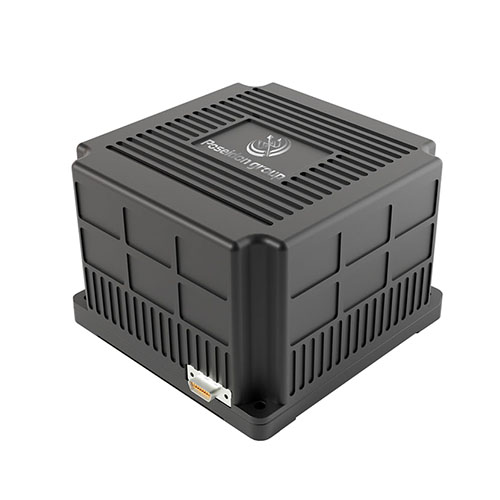 TBSD60
 BSD120
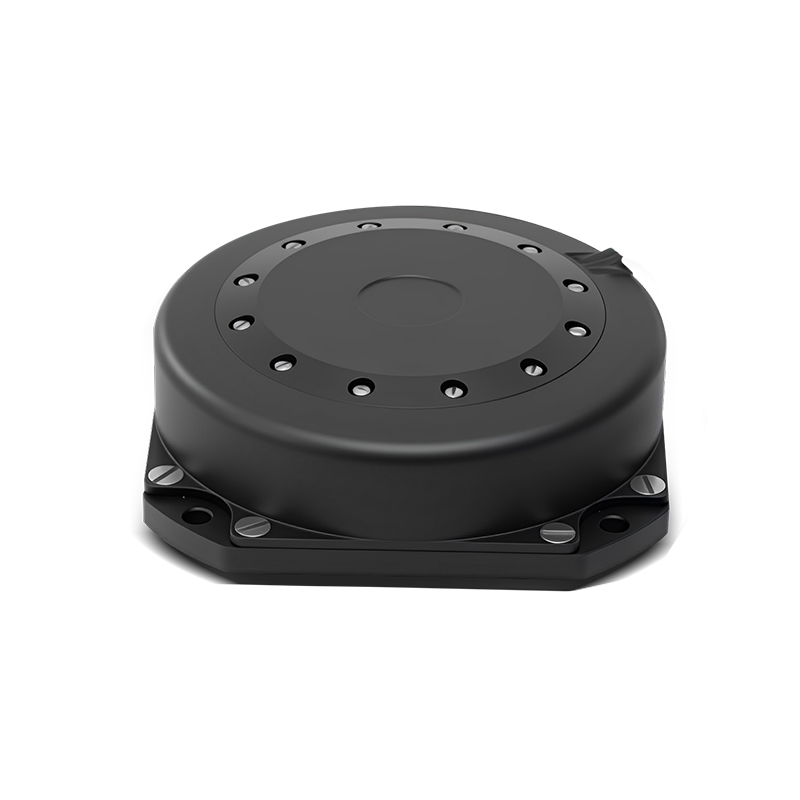 BSD98
BSD98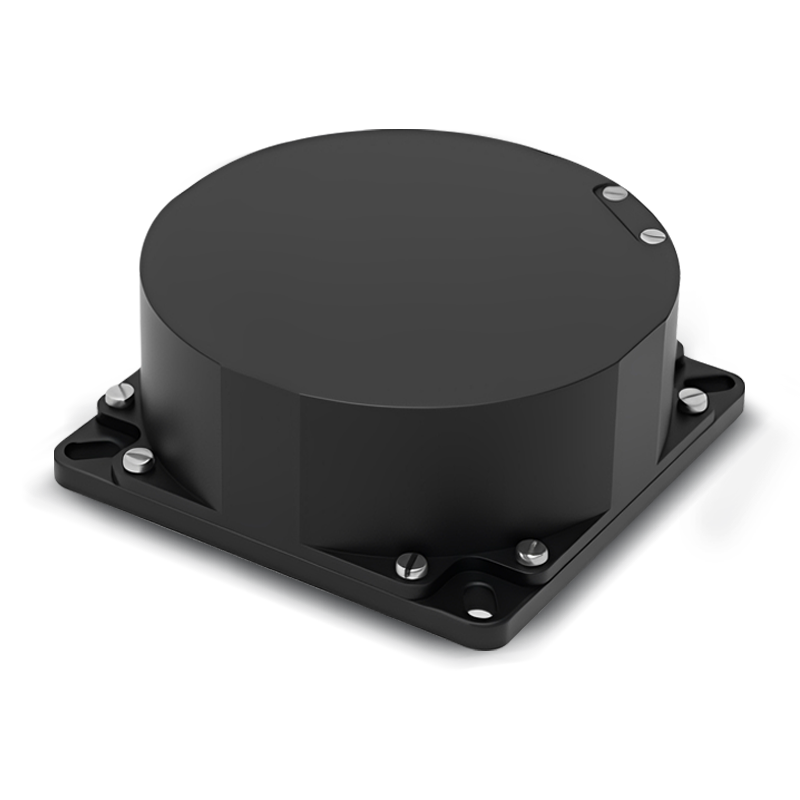 BSD70
BSD70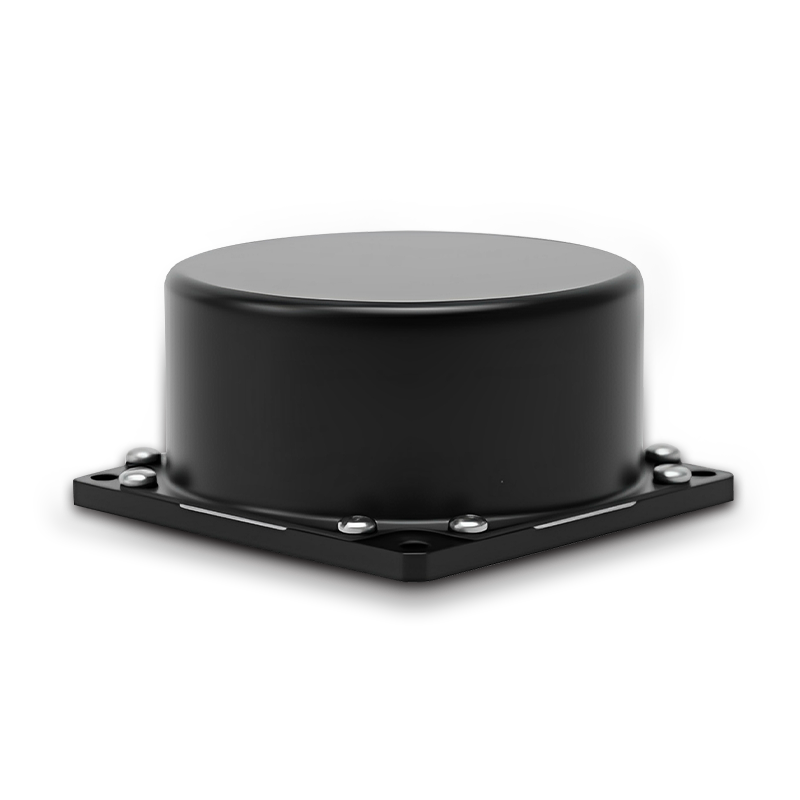 BSD60
BSD60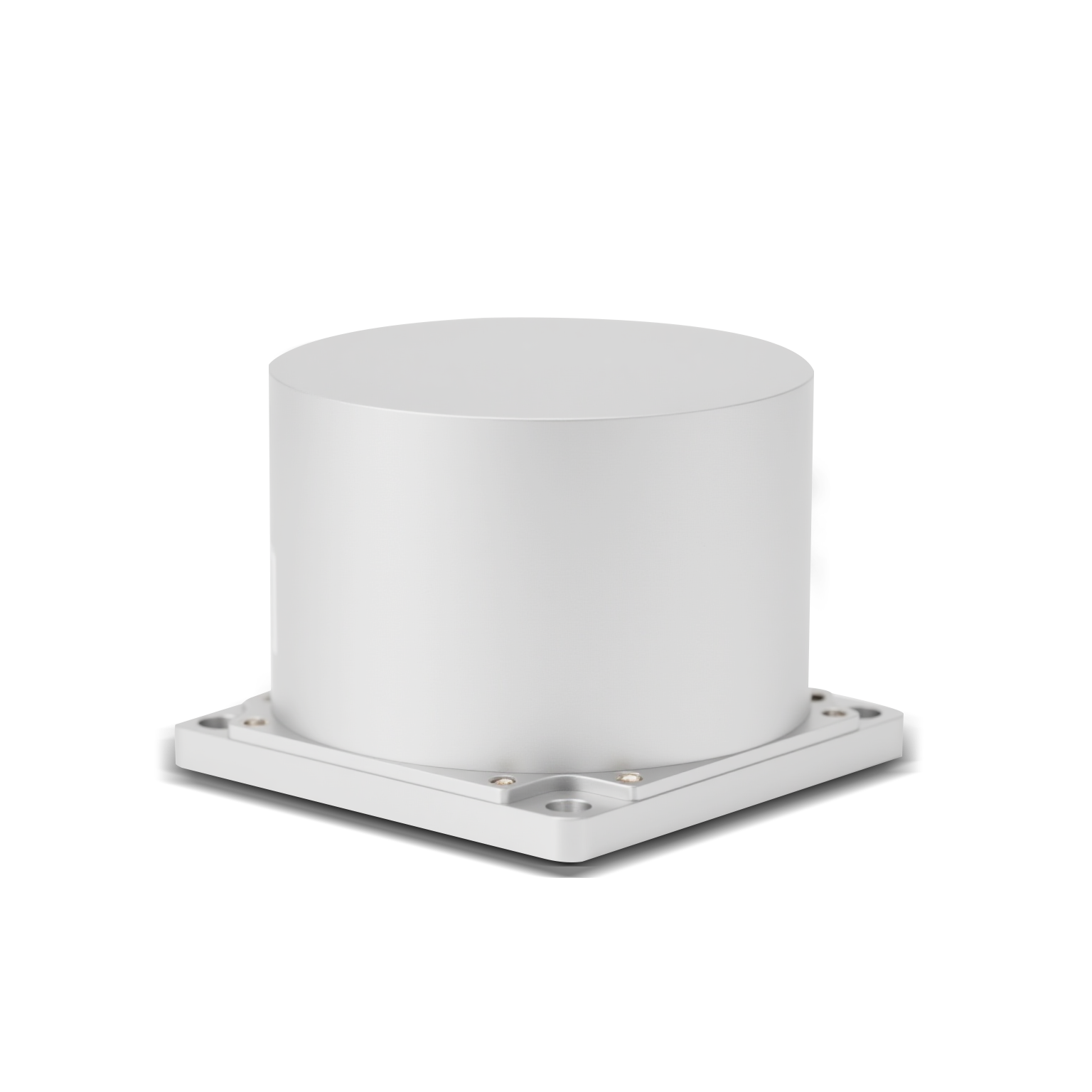 BSD50
BSD50 BSD217
 INS1700
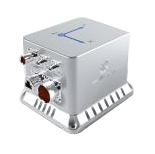 INS970
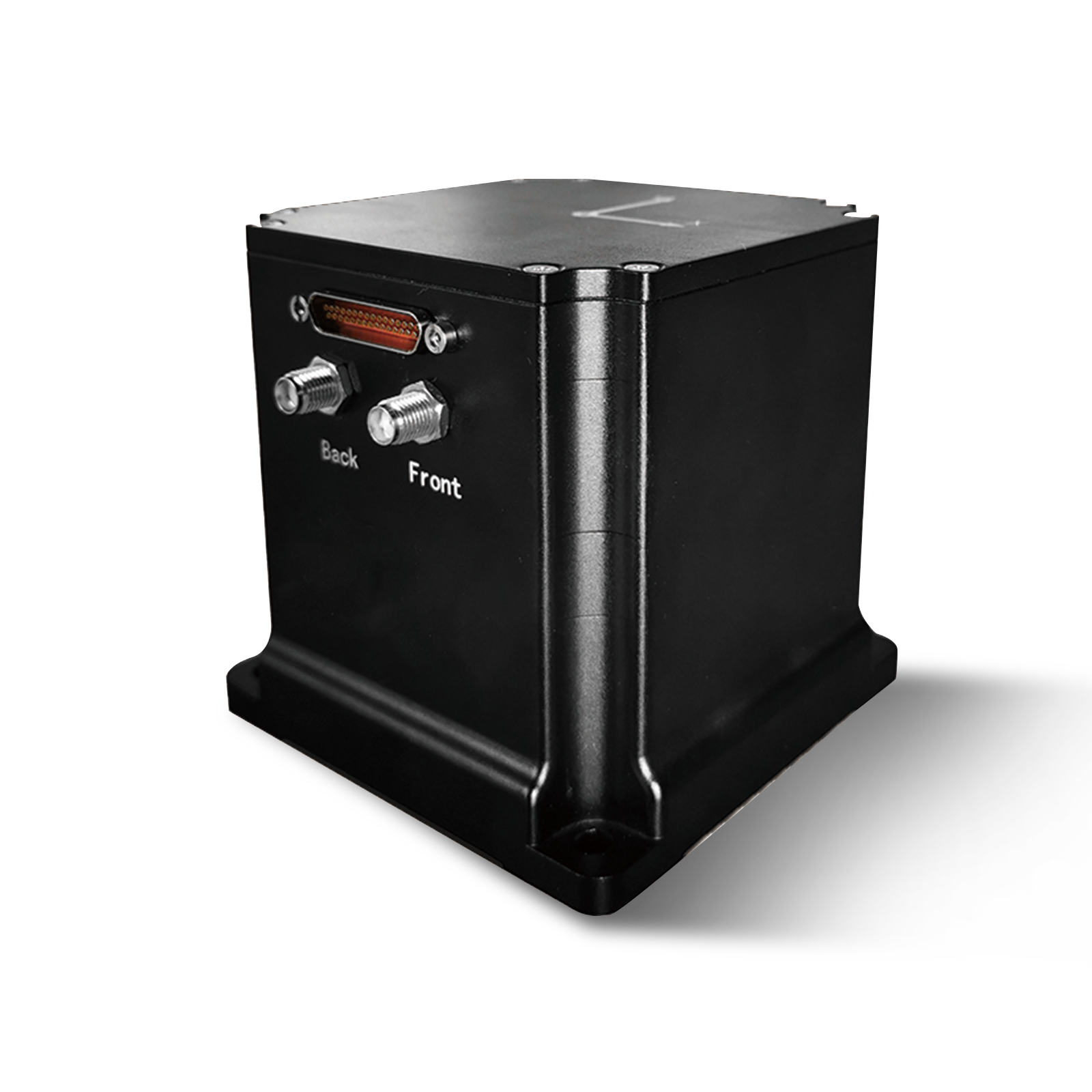 INS570
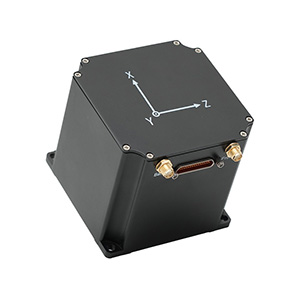 INS170
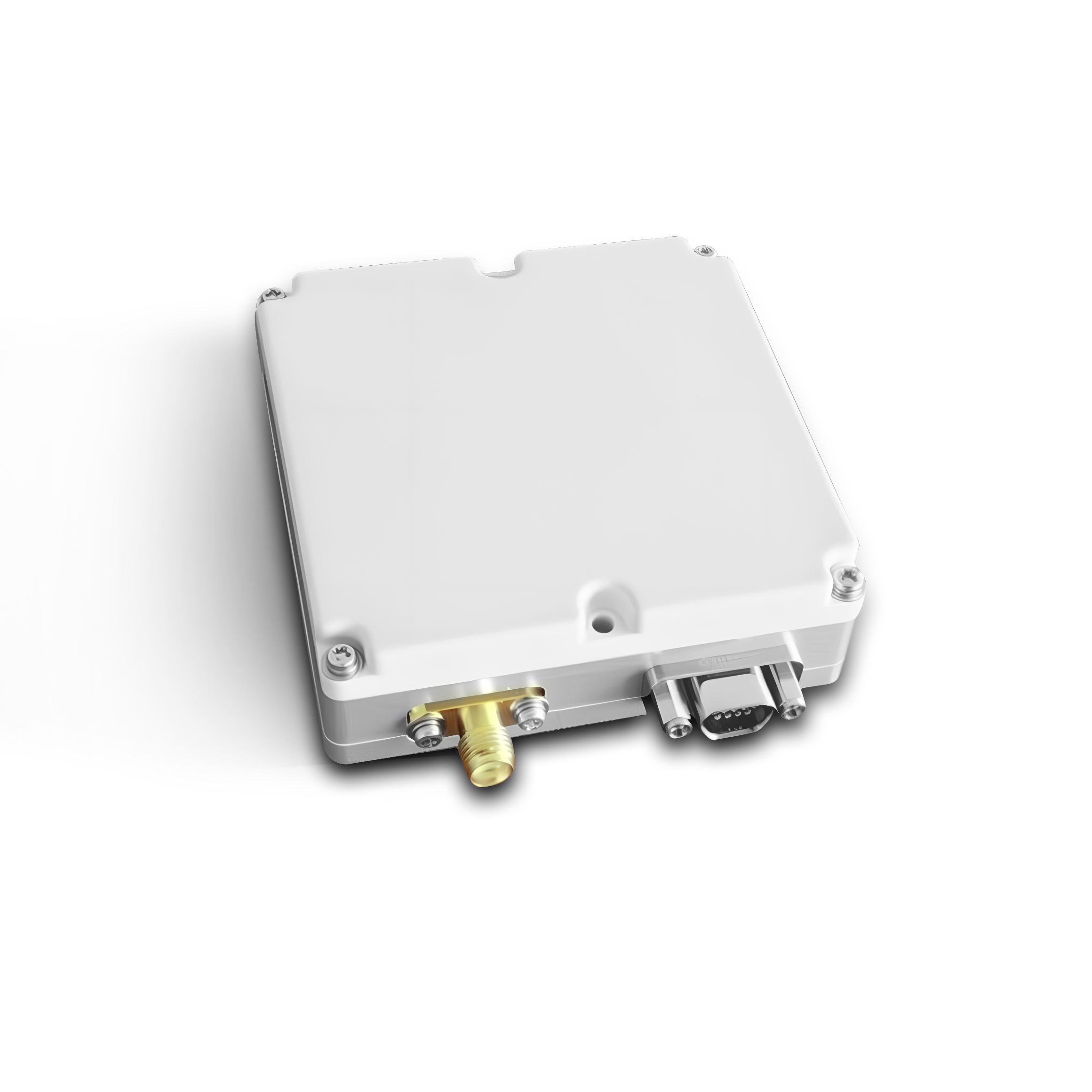 SLA-4B1L1-65
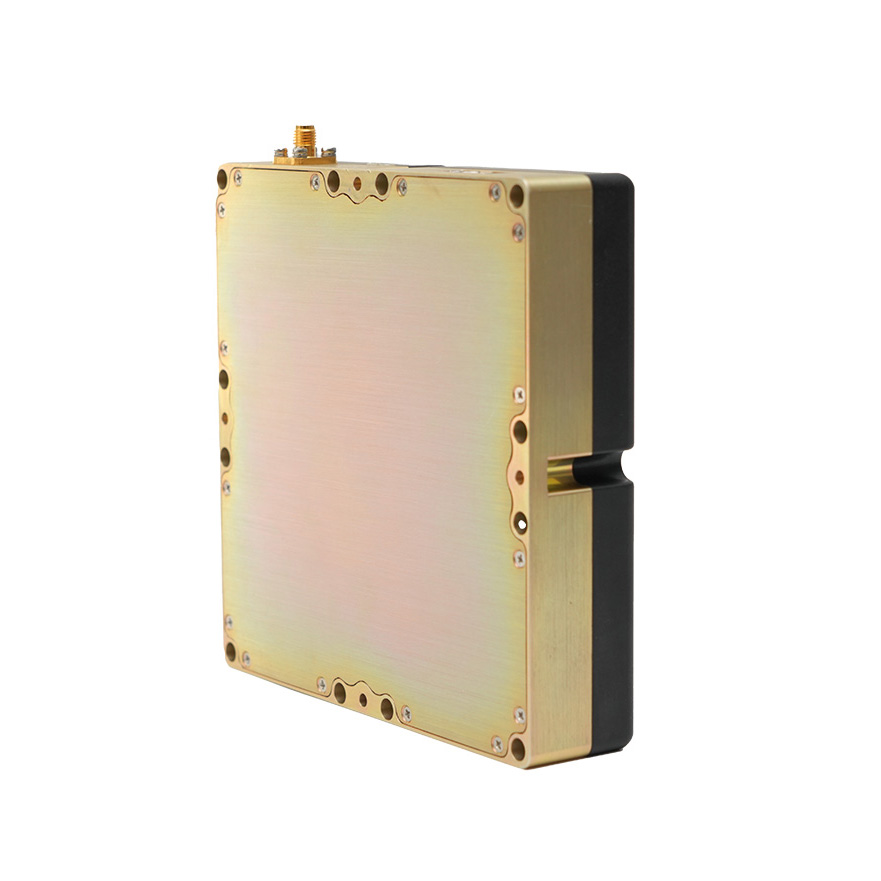 SLA-4B1L1-130
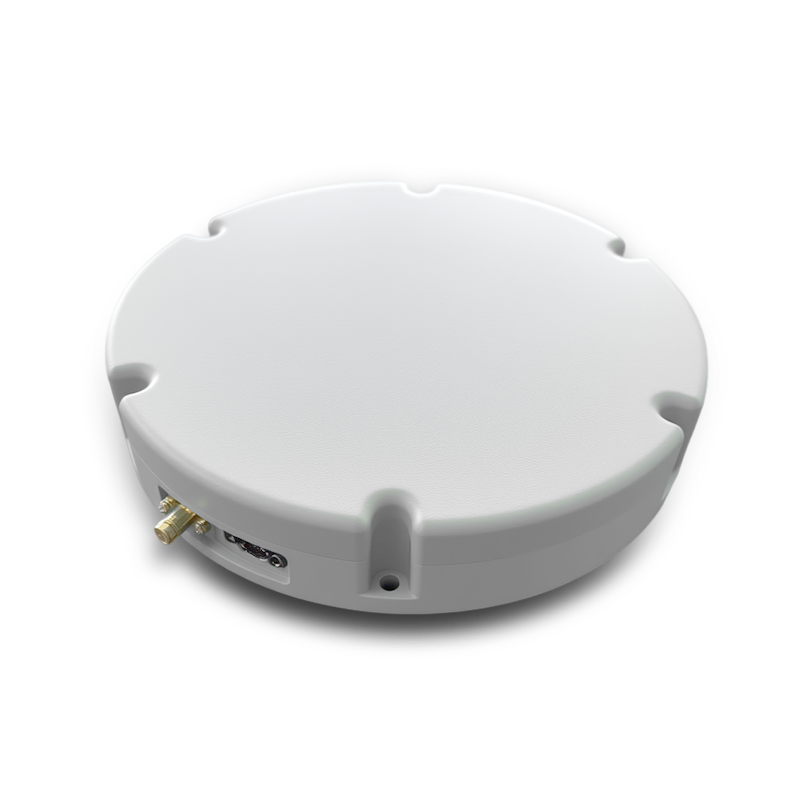 SLA-8B1L1-165
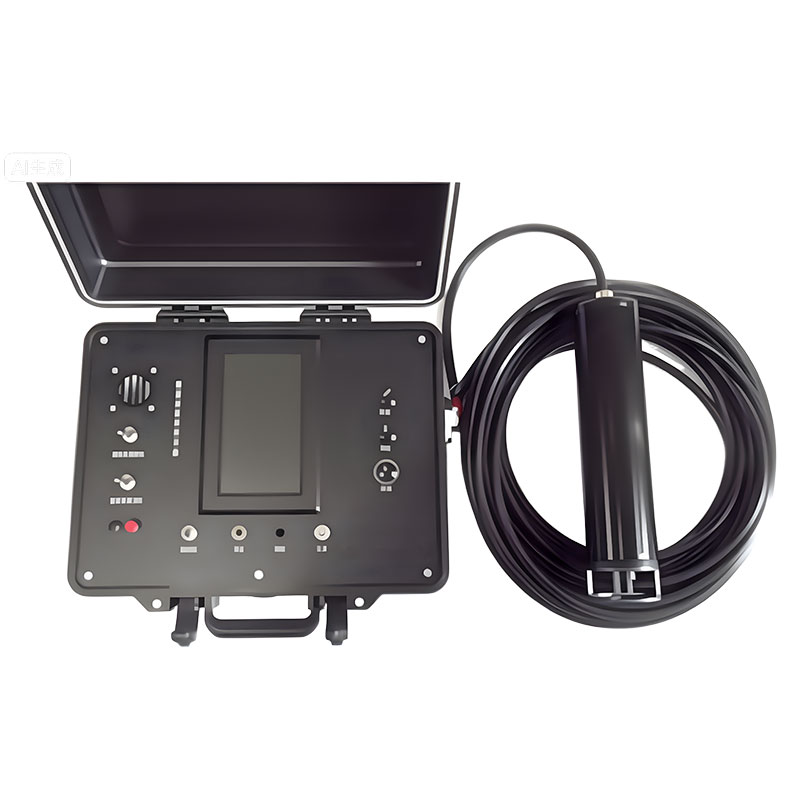 DIVER 101
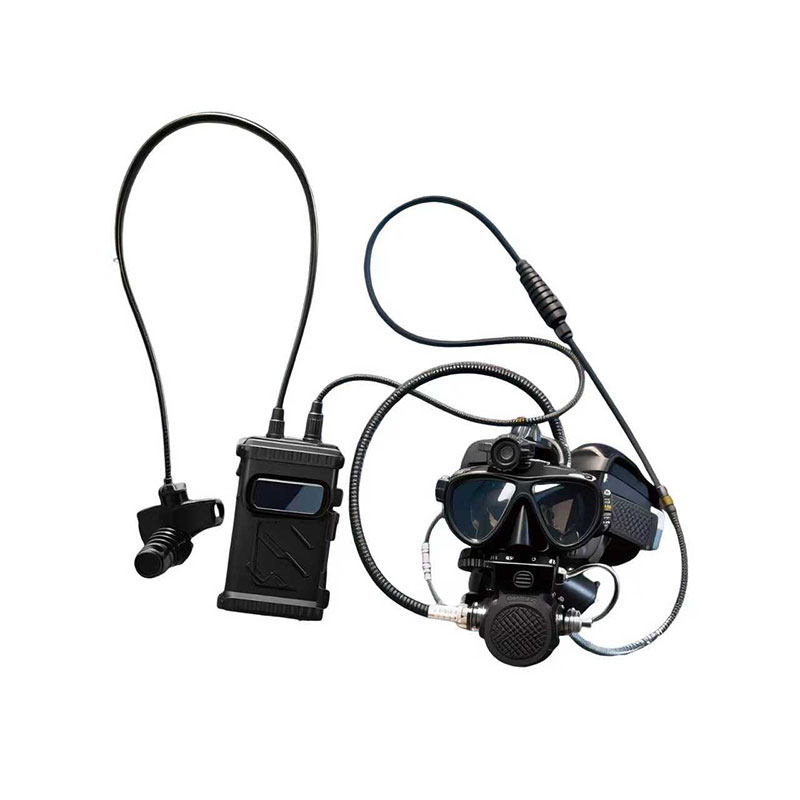 DIVER 102
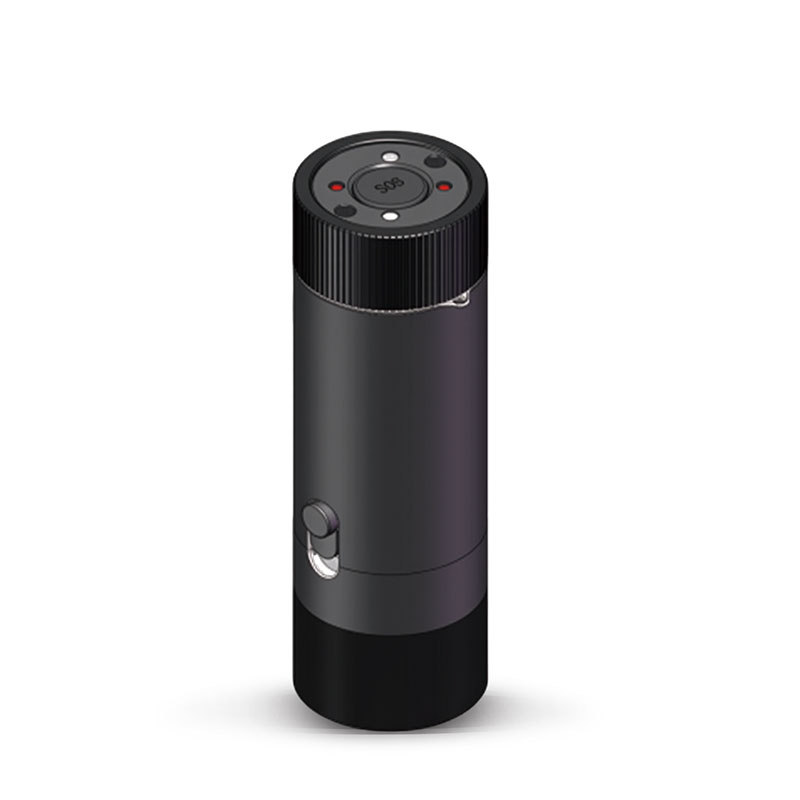 DIVER 103
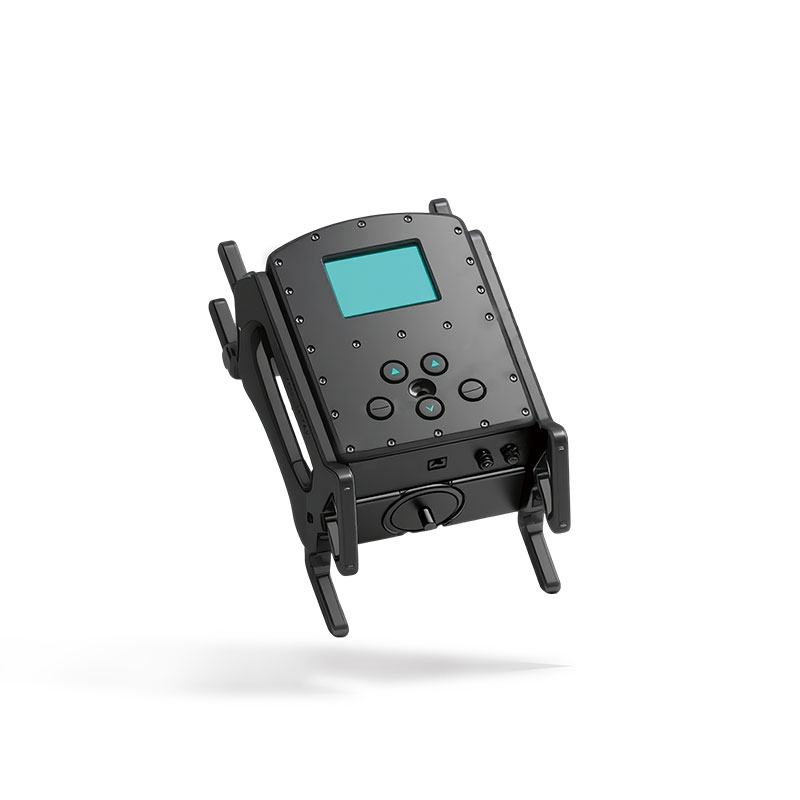 DIVER 104
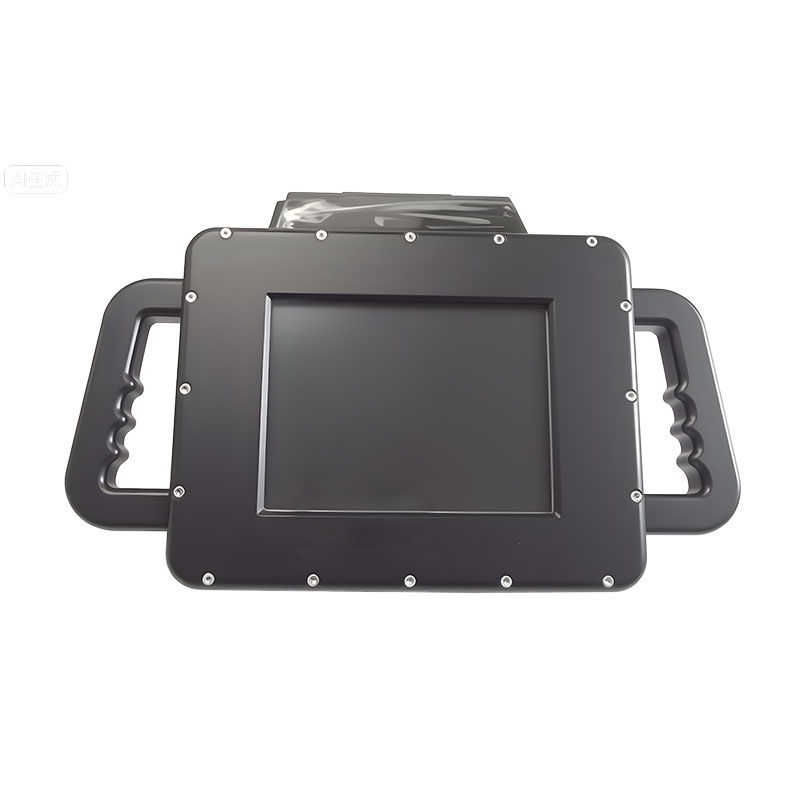 DIVER 105
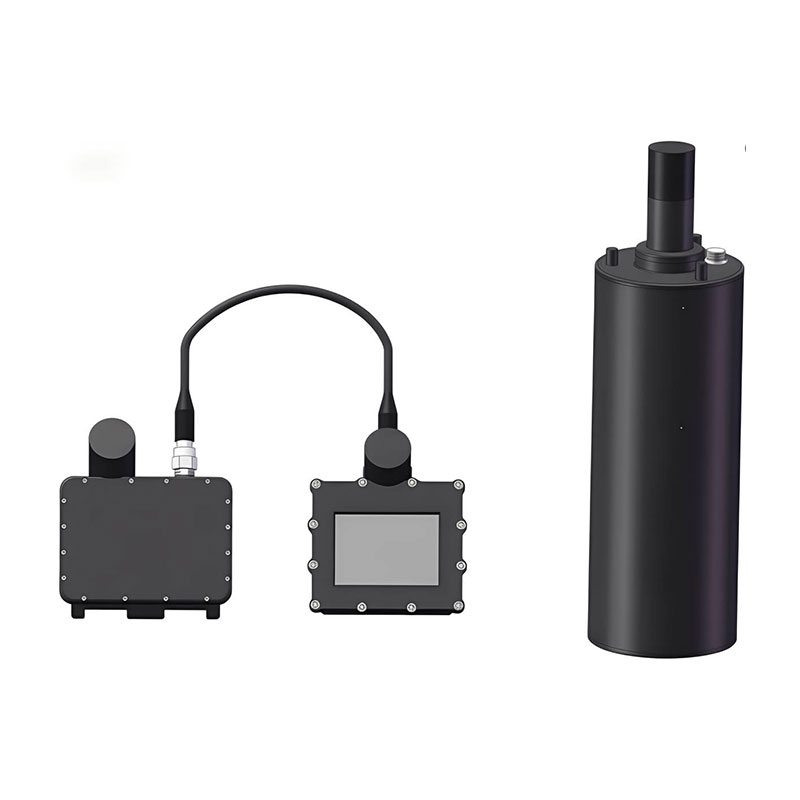 DIVER 106
 SLLR3000
 SLLR905
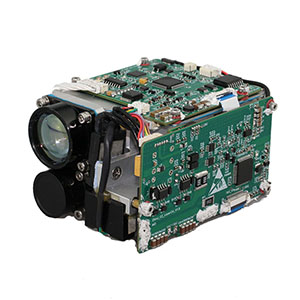 SLLD25
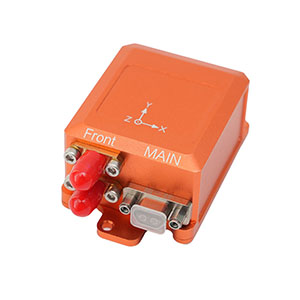 160M
160M 170M
170M SLFC-70
 SLAF280
 MR360
MR360