In today's world, where getting from point A to B quickly and accurately really matters,
INS GPS Navigation is set to shake up how we travel every day across different industries.
I recently came across a report saying that the global market for GPS navigation systems is expected to hit around
$128.4 billion by 2027,
growing at a pretty steady rate of about
9.4% each year.
You know how cities are getting more and more crowded? Well, that’s actually boosting the need for smarter navigation tech that offers
real-time updates and better precision.
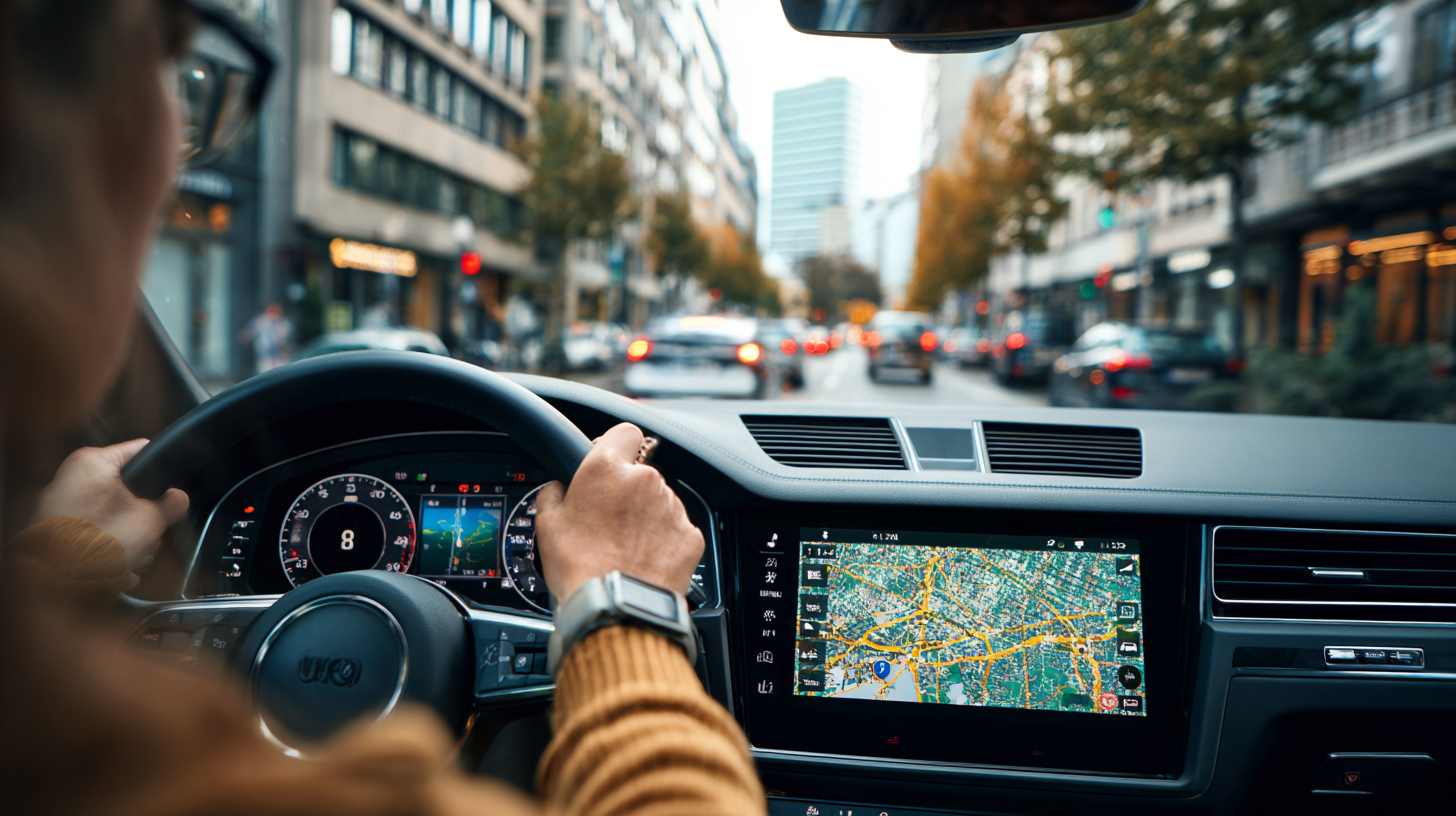
Companies like Poseidon International Group in Hong Kong — they've been leading the way in inertial navigation since 2013 —
are using their deep experience with fiber optic gyroscopes and autonomous driving tech to push INS GPS systems further than ever before.
When these new technologies come together, they don’t just make navigation easier for users;
they also help create smarter cities, making daily travel
not just faster but way more enjoyable.
As we step into the future of navigation, it’s clear that
innovative systems like the ones Poseidon is working on
are going to play a huge part in keeping us ahead of the curve in this rapidly changing landscape.
The Rise of Smart Navigation: Embracing Ins GPS Technology in Everyday Travel
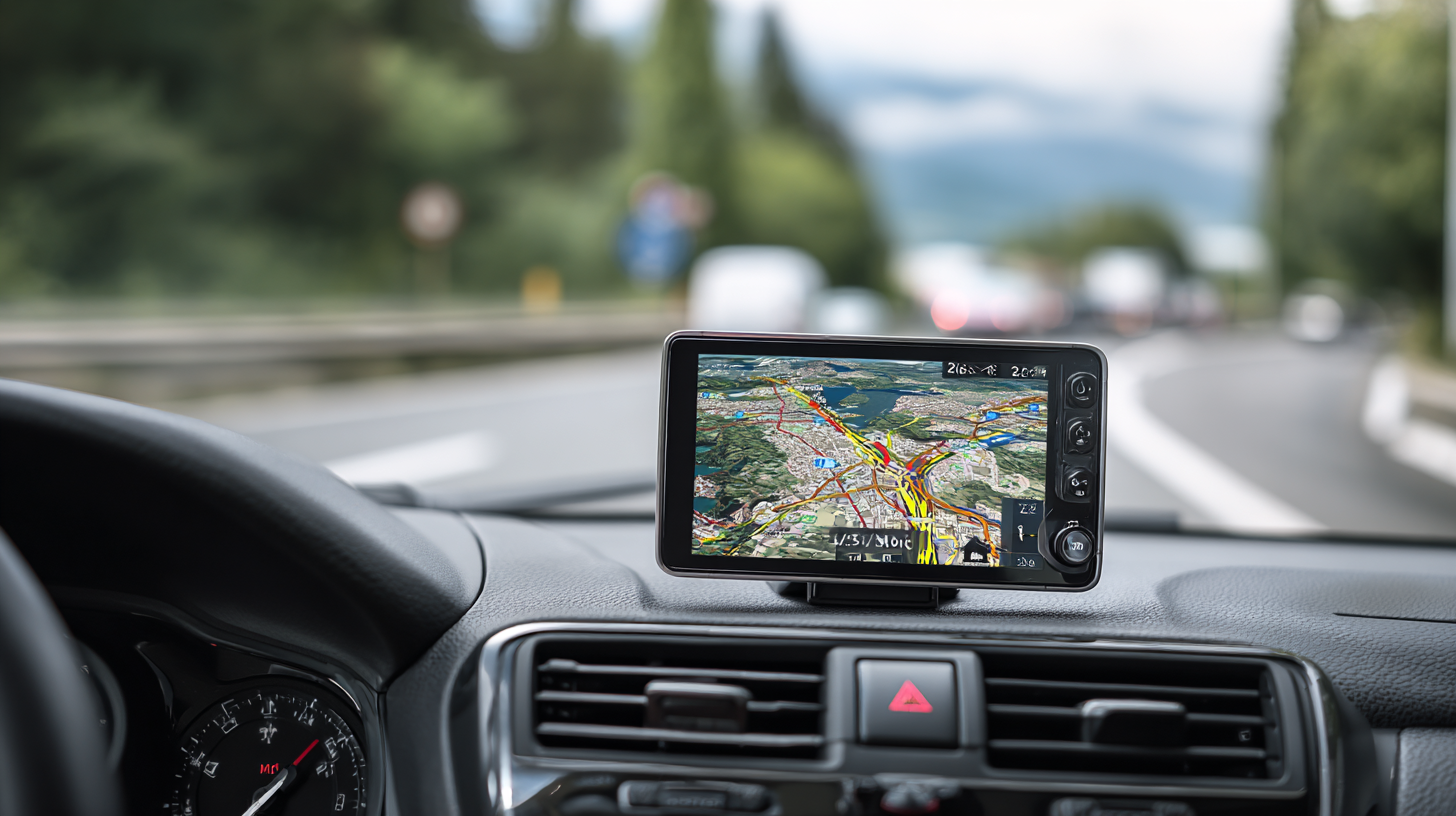
Lately, smart navigation systems have really changed how we handle daily travel. With GPS technology, which uses clever algorithms and real-time info, we're now getting accurate routes, traffic updates, and even alternative options if things go wrong. It's pretty amazing how these smart features come together to give us a smooth journey—adapting on the fly to surprises like road closures or traffic jams—so we can get to where we want to go a lot more quickly and hassle-free.
And, honestly, the rise of apps with built-in GPS has made these tools way more accessible. Now, you can get personalized suggestions based on your habits and preferences, which makes discovering new routes or cool hidden spots a lot easier. This shift towards smarter navigation isn’t just about making travel more efficient—it also kind of encourages us to explore a little more spontaneously, turning a simple trip into a more fun and engaging experience in our everyday lives.
Transforming Commutes: The Impact of Real-Time Traffic Updates
You know, real-time traffic updates are really changing the game when it comes to how we get around in the city. They're offering some pretty clever solutions to those never-ending problems of traffic jams and delays. As cities get bigger and our daily drives get longer, it feels like having smarter algorithms and AI tech becomes more important than ever. For example, new traffic prediction tools are helping city planners figure out better routes, which means a smoother ride for everyone. Honestly, that can make a huge difference—cutting down on the frustration we all feel during our daily commutes and making the whole transportation thing a lot more predictable and safer for all of us on the road.
On top of that, the way cities are adopting smarter traffic management systems is really speeding things up. Thanks to AI-powered solutions, not only are we seeing better traffic flow, but cities are also improving road maintenance and planning infrastructure better. These real-time updates really help commuters by giving them the info they need on the go—so people can dodge delays and even be nudged toward using public transit more often. It’s pretty exciting because all these advancements are part of the bigger goal of creating smart mobility. That means easier commutes, a bit less stress, and hopefully, a lighter footprint on the environment. All in all, it feels like we're heading toward a future where city travel isn't just easier, but also a little greener and more sustainable.
Transforming Commutes: The Impact of Real-Time Traffic Updates
Seamless Integration: Combining GPS with Digital Tools for Enhanced Travel Experience
You know, GPS technology has really changed the game when it comes to everyday travel. It’s made getting from point A to B way smarter—and honestly, a lot more enjoyable for millions of folks around the world. And it’s not just about the GPS itself; nowadays, it’s seamlessly tied into digital tools like mobile apps and online maps, which just takes everything to the next level. I read somewhere that the global market for navigation satellite systems is expected to hit over $200 billion by 2026. That’s mostly because of all the cool innovations that combine GPS with user-friendly digital solutions, making our lives easier.
Take apps like Google Maps or Waze, for example—they’re perfect examples of how this integration works. They give you real-time traffic updates, personalized route suggestions, and even voice directions—all using GPS data. And get this—over 75% of the world’s population now uses smartphones with GPS built in, according to a study by Berg Insight. That’s pretty crazy, right? It just shows how widespread these tech tricks are. Plus, all this really helps optimize routes, cut down on travel time, and even save fuel, which lines up nicely with efforts towards smarter, greener cities. As cities grow busier and more crowded, these kinds of tech improvements are absolutely crucial to handle the rising travel demands—and honestly, they’re making our commutes a lot smoother.
Eco-Friendly Travel: How Ins GPS Supports Sustainable Transportation Choices
You know, with the rise of Ins GPS navigation systems, we're really seeing a game-changer in how we travel—making it way easier to choose greener options. It’s kind of crazy when you think about it: transportation accounts for around 14% of all global greenhouse gases, so clearly, we need better, more sustainable ways to get around. Thanks to real-time data and smart routing, Ins GPS doesn’t just help you find the fastest way; it also encourages you to hop on public transit, ride a bike, or walk when you can. This actually helps cut down the emissions from our daily commutes, which is pretty cool.
And get this—the International Energy Agency found that choosing smarter routes can cut fuel use by as much as 20%. Features like highlighting low-emission zones or eco-friendly travel options make it even easier for users to do their part. Plus, when more people start using these kinds of tools, it can actually influence bigger societal changes—like supporting cleaner transportation policies—making our cities healthier and more sustainable. All in all, it’s pretty inspiring to see how technology like this can really help shape a greener future, one trip at a time.
Safety First: The Role of GPS Navigation in Enhancing Road Safety for Travelers
GPS navigation has really changed how we get around every day, but honestly, its biggest impact is on making roads safer for everyone. With real-time traffic updates and the ability to reroute on the fly, GPS helps drivers dodge accidents, construction zones, and all kinds of sketchy conditions. It’s like having a little co-pilot that’s always looking out for your safety. Not only does this save you some time, but it also cuts down on the chances of crashes by steering you clear of dangers.
Plus, most GPS systems come with handy features like voice directions and alerts for speed limits. This means you can keep your eyes on the road instead of fiddling with your phone or annoying maps. These little touches really encourage safer driving habits and help folks stick to traffic laws without even thinking about it. And things get even better with built-in emergency services and the option to share your location — giving travelers quick access to help if things go south. All these safety features show that GPS isn’t just about finding your way — it’s actually a crucial partner in making our journeys safer and less stressful.
User-Centric Design: Tailoring Navigation Tools to Meet Diverse Travel Needs
Hey, have you noticed how GPS navigation tech has really changed the way we get around every day? These days, everything's about making the app fit YOU. They're designed to be super user-friendly and cater to all kinds of people—whether you're a commuter stuck in traffic, a traveler looking for a scenic detour, or just someone who wants an easier way to find their way. It’s pretty cool how these tools can adjust to your personal preferences, making your trip smoother and more enjoyable.
What really makes these GPS apps stand out is how they’re built with us in mind. Things like voice commands, customizable layouts, and route suggestions that match your vibe—these features give us more control and confidence. For example, students might choose routes that dodge the worst traffic, while bikers might go for paths that are safer and prettier. This kind of personalization isn’t just about convenience; it actually makes people love using these apps more, turning them into must-have tools for everyday travel.
FAQS
: Real-time traffic updates enhance urban commuting by providing innovative solutions to congestion and inefficiency, helping commuters navigate more smoothly and reducing frustration during daily travel.
Advanced algorithms and AI technologies are crucial in developing traffic forecasting models that optimize city planning, enable rerouting of drivers, and improve overall travel experiences.
Intelligent traffic management systems use AI tools to optimize traffic flow, enhance road maintenance, and facilitate real-time updates that keep commuters informed about their routes and potential delays.
Ins GPS navigation systems promote sustainable transportation by helping users choose eco-friendly routes, which reduces fuel consumption and supports practices like public transit, cycling, and walking.
Optimizing travel routes through advanced technologies can decrease fuel consumption by up to 20%, contributing to a reduction in greenhouse gas emissions.
User-centric GPS navigation tools offer voice commands, customizable interfaces, and specialized route suggestions, catering to diverse user needs and improving overall satisfaction.
User-centric design is important because it tailors navigation tools to meet individual preferences, encouraging wider adoption and enhancing overall usability for various types of travelers.
User engagement with technologies like Ins GPS navigation can influence broader societal shifts by increasing support for clean transportation initiatives, which fosters a more sustainable urban environment.
The main goal is to achieve smart mobility, simplifying commutes, enhancing safety, and reducing environmental impacts associated with urban travel.
Real-time transportation technology shapes the future of commuting by making travel more predictable and efficient, ultimately leading to a more sustainable and user-friendly urban landscape.
Conclusion
So, I recently came across this article called "Unlocking the Future: How Ins GPS Navigation is Changing the Way We Travel Every Day." Honestly, it highlights just how much Ins GPS Navigation is shaking things up when it comes to daily commuting. You know those smart navigation apps that give you real-time traffic updates? Well, they’re using Ins systems now, and wow, they make traveling way easier and less stressful. Plus, the way GPS seamlessly mixes with digital tools makes interacting with tech feel smooth and natural—kind of like having a personal assistant in your car. It’s also pretty cool how this tech supports greener travel options, which is definitely a big deal these days with everyone talking about sustainability. Oh, and safety? The article points out that these Ins GPS systems really boost road safety for everyone out there. As someone who’s always on the go, I can totally see how this stuff makes a difference.
Knowing that Poseidon International Group specializes in creating cutting-edge inertial navigation systems, it kinda feels like their work lines up perfectly with this future of smarter travel. Their focus on designing user-friendly tech means these navigation tools are built for all sorts of needs, not just for tech geeks or commuters but for everyone. Honestly, it’s exciting to think about how all this technology is transforming our everyday journeys—making them safer, easier, and more eco-friendly in the process.

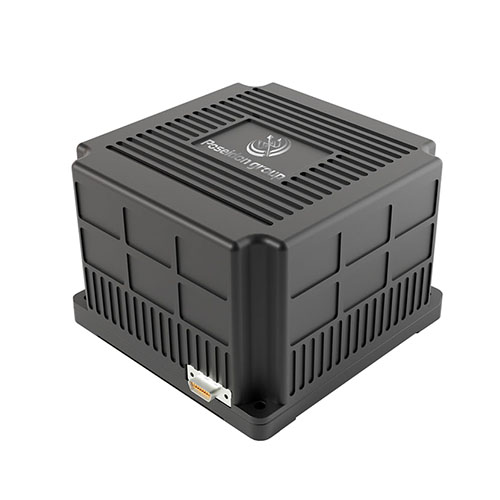 TBSD60
 BSD120
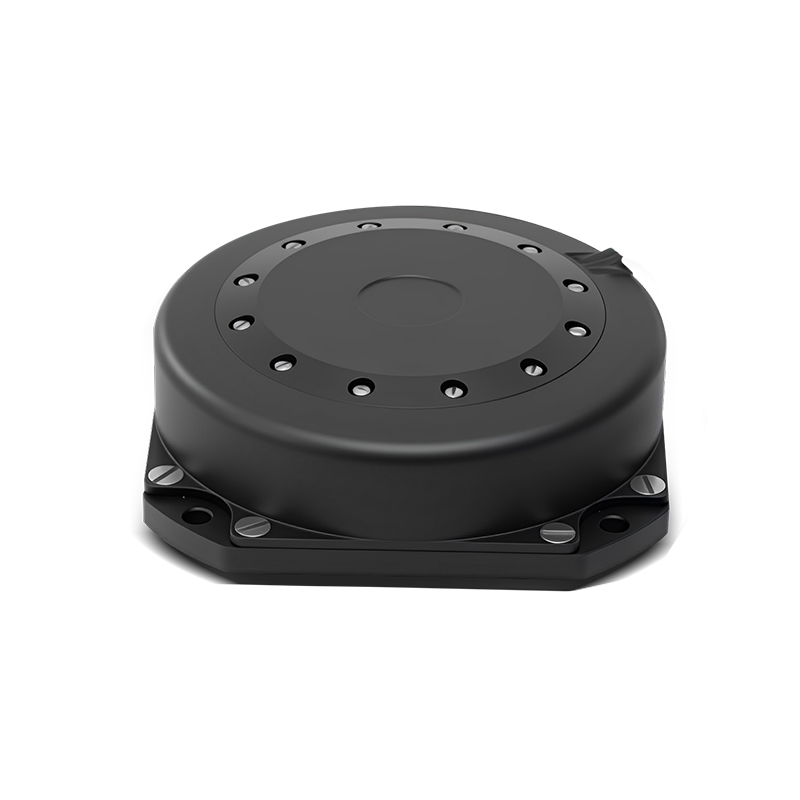 BSD98
BSD98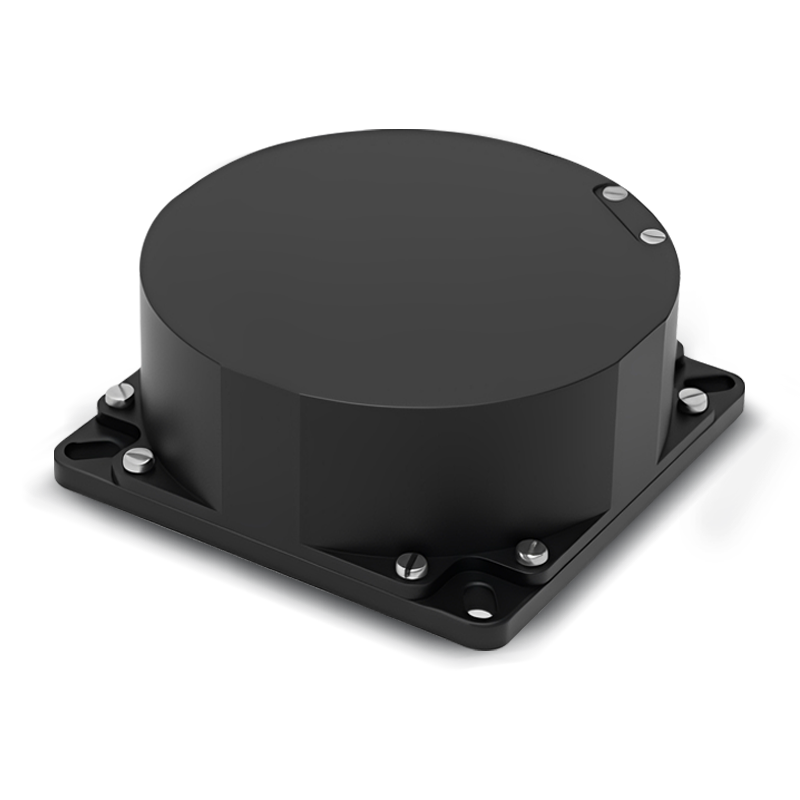 BSD70
BSD70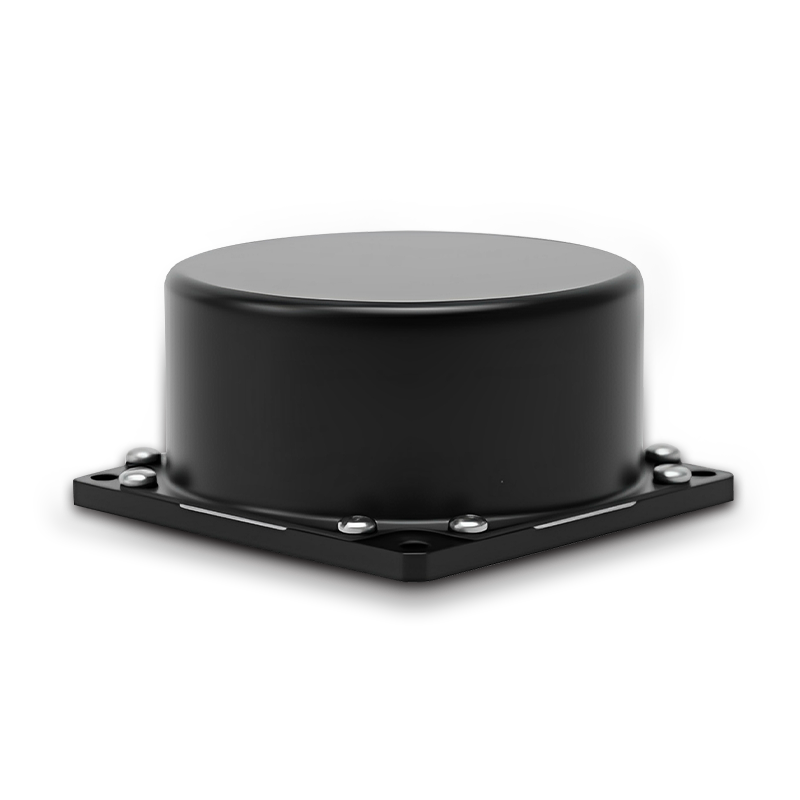 BSD60
BSD60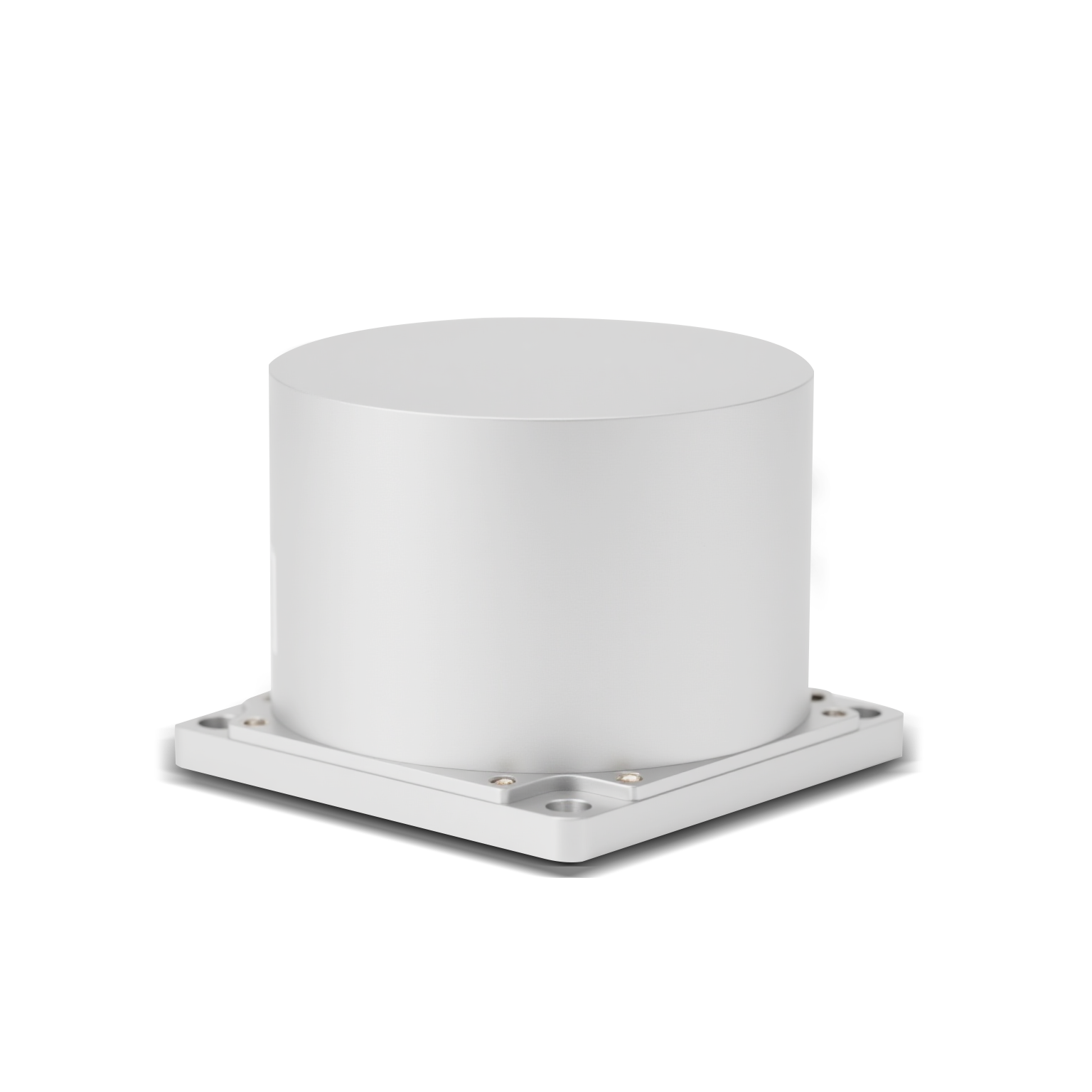 BSD50
BSD50 BSD217
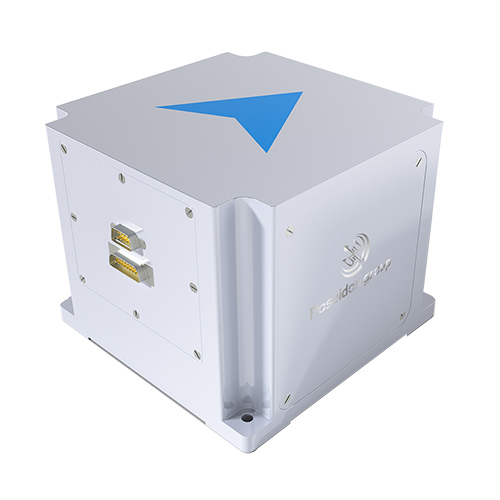 INS1700
 INS970
 INS570
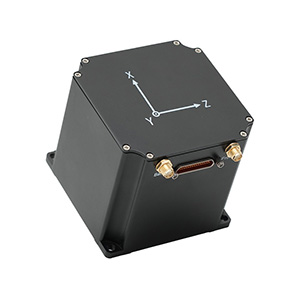 INS170
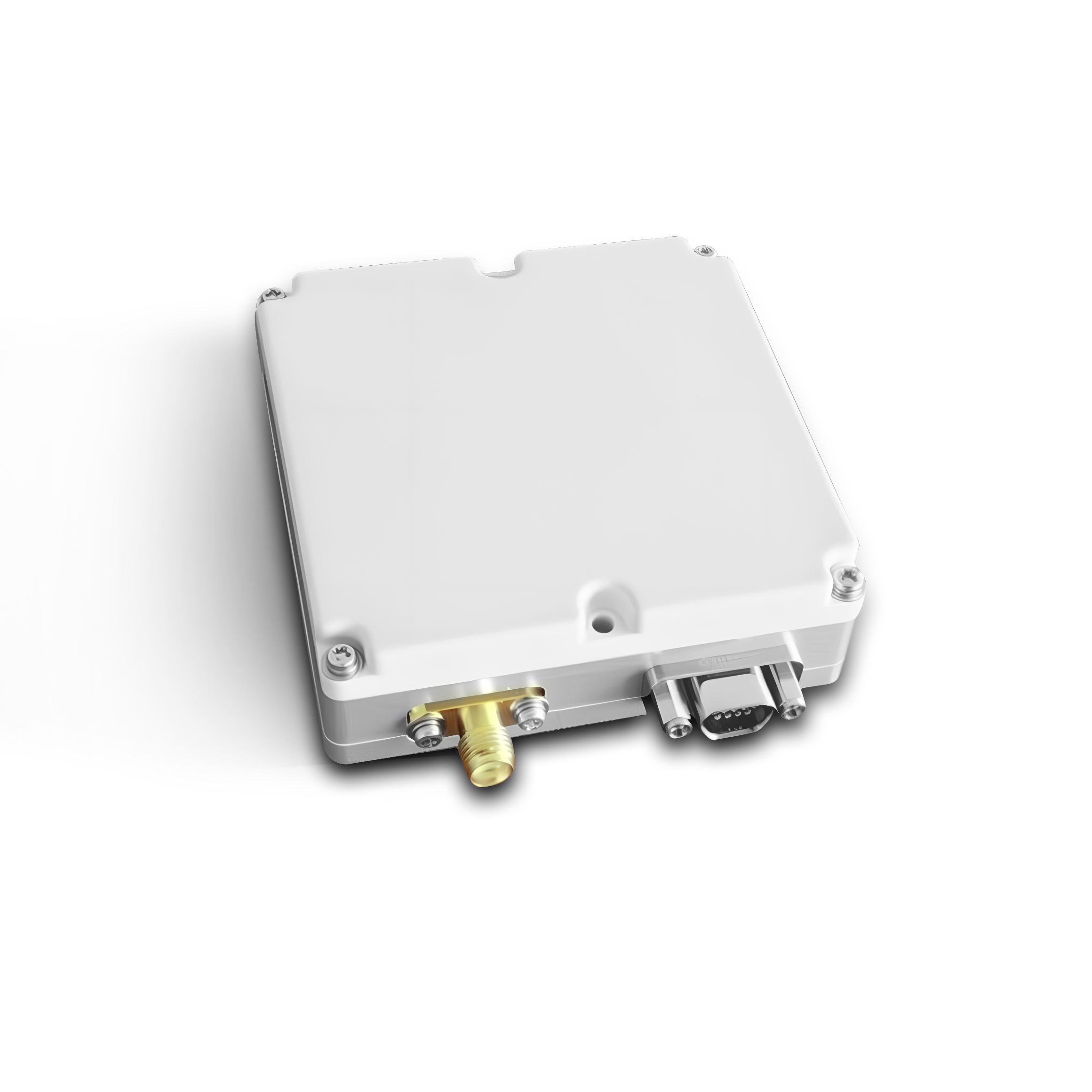 SLA-4B1L1-65
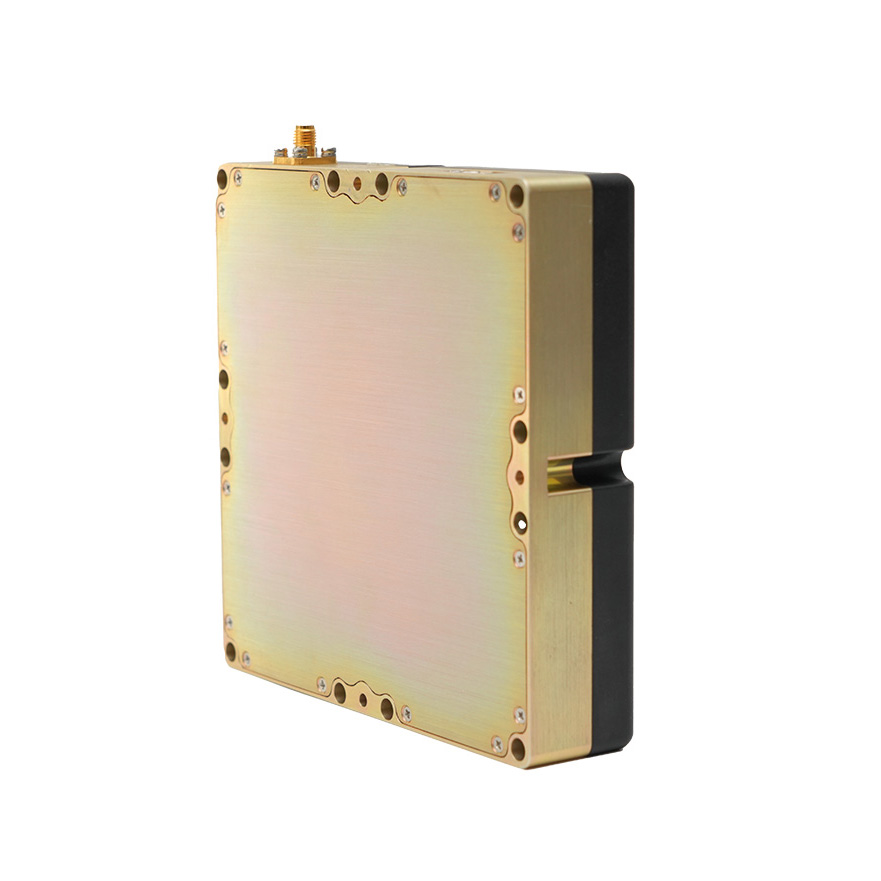 SLA-4B1L1-130
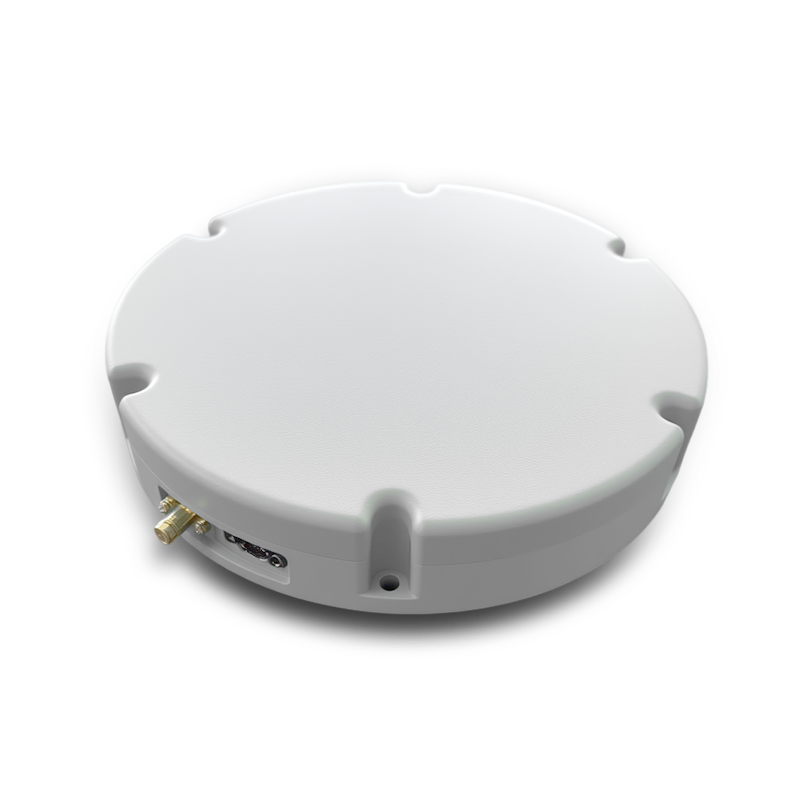 SLA-8B1L1-165
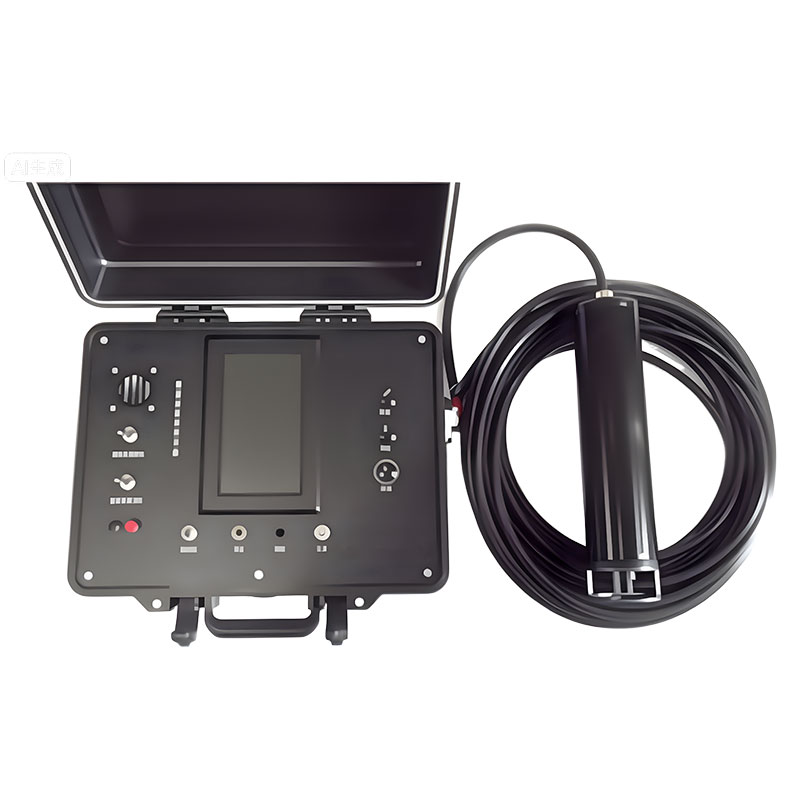 DIVER 101
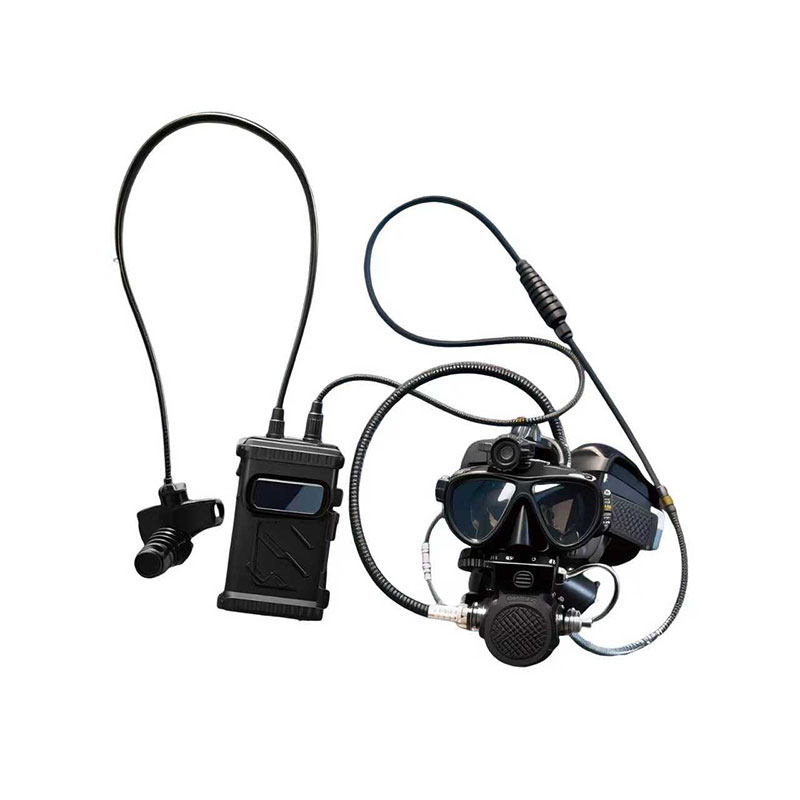 DIVER 102
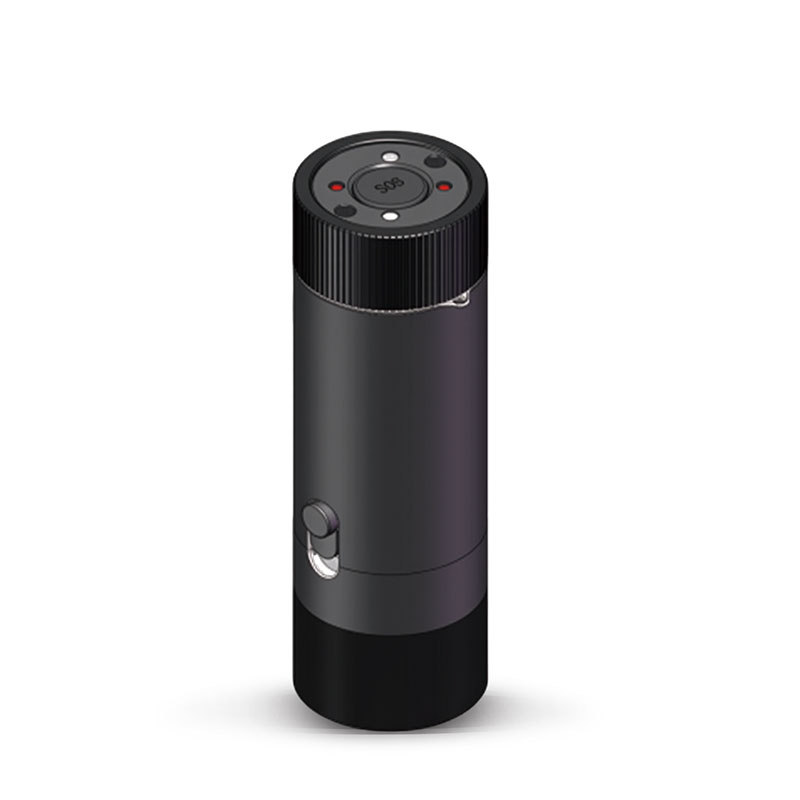 DIVER 103
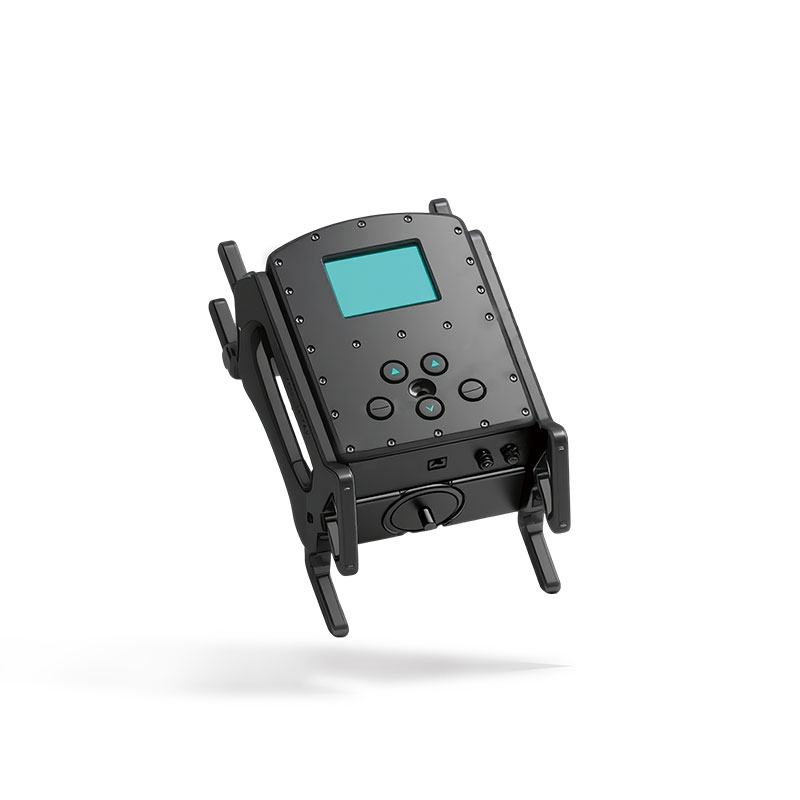 DIVER 104
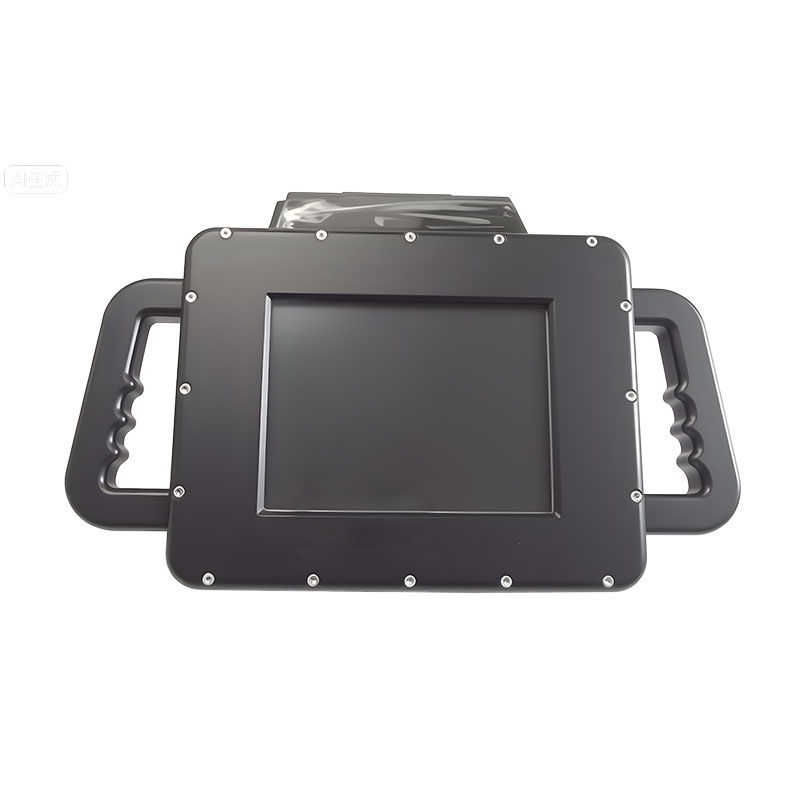 DIVER 105
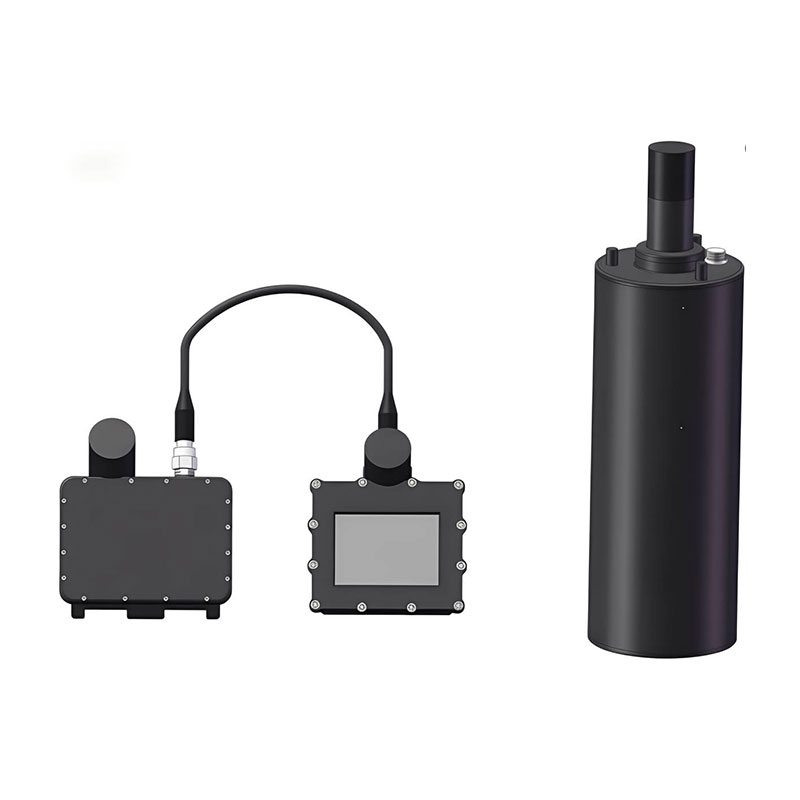 DIVER 106
 SLLR3000
 SLLR905
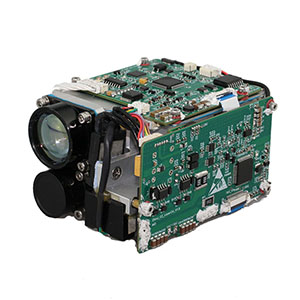 SLLD25
 160M
160M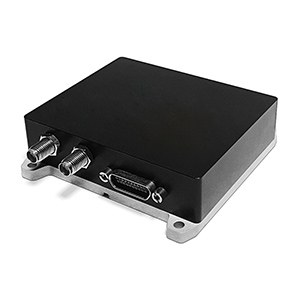 170M
170M SLFC-70
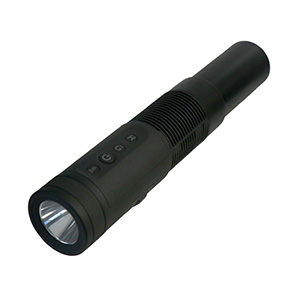 SLAF280
 MR360
MR360