Inertial Units are pretty essential parts of modern tech nowadays. You’ll find them everywhere—from rockets and airplanes to your smartphone and gaming gadgets. These clever devices use the basic idea of inertia (you know, how objects keep moving or stay still) to figure out how things are moving or which way they're facing. That info is super useful for navigation, stabilizing stuff, or controlling systems. As more industries crave higher precision and dependable performance, it’s really important to get a grasp on the different types of inertial units out there and what they’re mainly used for.
In this article, we’re gonna take a look at the top 10 inertial units, talking about their various types, what they’re used for, and the tech behind them. From accelerometers to gyroscopes, each one has its own quirks and functions that are designed for specific tasks. Plus, as these devices get integrated into more advanced systems, they’re driving innovations in fields like robotics, cars, and virtual reality—making things run smoother and making your user experience way more exciting. So, through this overview, we hope to highlight just how important inertial units are shaping the future of tech and engineering—and honestly, how cool they really are.

Types of Inertial Units: An Overview
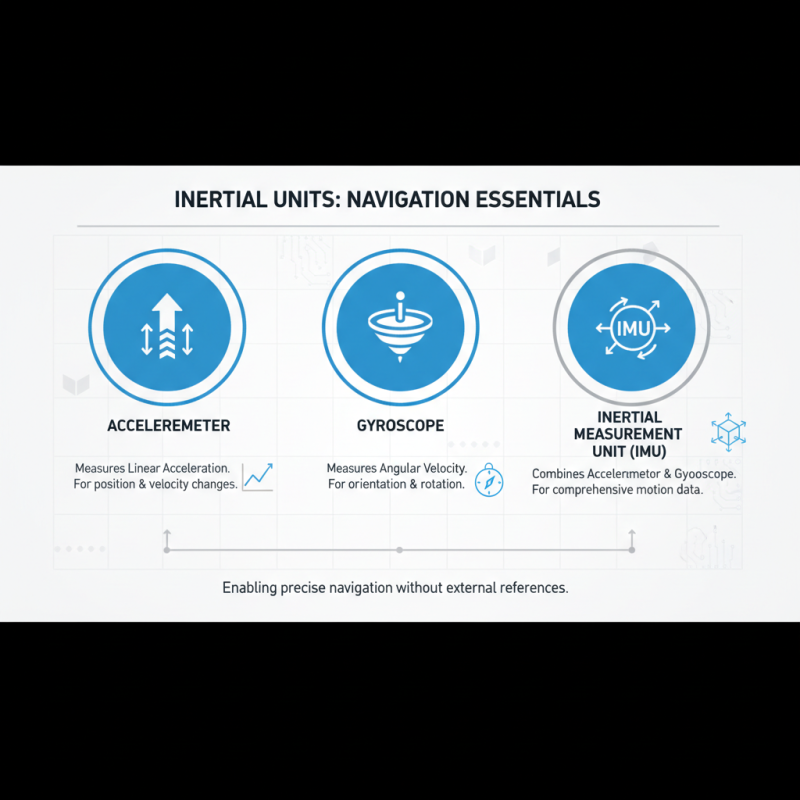
Inertial units are essential components in various navigation systems, enabling precise monitoring of position, orientation, and velocity without relying on external references. These systems predominantly utilize three main types of inertial units: accelerometers, gyroscopes, and inertial measurement units (IMUs). Each type serves a unique purpose, with accelerometers measuring linear acceleration, gyroscopes assessing angular velocity, and IMUs combining both functionalities to provide comprehensive data about an object's motion.
According to industry reports, the global inertial measurement unit market is projected to reach approximately $19 billion by 2026, driven by increasing demand in sectors such as aerospace, automotive, and consumer electronics. For instance, in aerospace applications, IMUs are pivotal for enhancing flight control systems and stabilizing aircraft, thus ensuring safety and efficiency. In the automotive sector, inertial navigation systems play a crucial role in advanced driver-assistance systems (ADAS), contributing to enhanced vehicle navigation and safety features. The adoption of these technologies is further propelled by the expansion of autonomous vehicles, which rely heavily on precise inertial sensing to navigate complex environments.
The application of inertial units extends beyond transportation. In the field of robotics, these units enhance mobile robots' ability to execute complex maneuvers in unstructured environments, while wearable devices use miniaturized inertial sensors to monitor physical activity and health metrics. Reports indicate a significant growth in the wearable health technology market, highlighting the increasing reliance on inertial sensors to analyze motion patterns and improve user experience. With advancements in sensor technology and miniaturization, the versatility and applicability of inertial units continue to expand across various industries.
Working Principles of Inertial Measurement Units
Inertial Measurement Units (IMUs) are critical technologies employed in various applications, from aerospace navigation to consumer electronics. The working principles of IMUs hinge on the combination of accelerometers and gyroscopes, which measure the rate of acceleration and rotational changes within a three-dimensional space. These measurements provide essential data for calculating position and orientation, which is particularly vital in environments where GPS signals are weak or unavailable, such as underwater or in space.
The accuracy and performance of IMUs can be demonstrated through industry data; a 2022 report by Research and Markets indicates a significant growth trajectory for the IMU market, projected to reach approximately $6.48 billion by 2027, with a compound annual growth rate of 10.5%. The growing demand for stable and precise orientation and motion data is driven by advancements in technology and the increasing use of drones, robotics, and autonomous vehicles.
Moreover, the fusion of IMUs with other sensors such as GPS and magnetometers enhances the reliability of navigation systems, making them indispensable in today's high-tech landscape. The ability to integrate IMUs with artificial intelligence further amplifies their applications, enabling smarter navigation solutions across multiple sectors.
Common Applications of Inertial Units in Technology
Inertial units are pivotal in various technological applications, providing vital data for navigation, motion sensing, and stability control. These units, often composed of accelerometers and gyroscopes, are widely utilized in the aerospace and automotive industries. According to a recent industry report, the global inertial measurement unit (IMU) market is projected to reach USD 18.2 billion by 2025, driven largely by advancements in autonomous vehicle technology and the increasing demand for sophisticated navigation systems in consumer electronics.
In the realm of robotics and automation, inertial units enable precise motion tracking and control, enhancing the performance of robotic systems in manufacturing and logistics. These applications rely on detailed motion information that inertial units provide, allowing for better coordination and efficiency during operations. Research indicates that the integration of these units in robotics can improve operational accuracy by as much as 30%, thereby streamlining processes and reducing waste.
Furthermore, inertial units play a significant role in wearable technology, particularly in fitness and health monitoring devices. By leveraging accelerometer and gyroscope data, these devices can accurately track physical activities and monitor user movements. A study highlighted that wearables equipped with inertial sensors can offer a 95% accuracy rate in detecting various activities, which is critical for health assessment and personalized fitness regimes. As technology continues to evolve, the applications of inertial units are expected to expand further, paving the way for new innovations across multiple sectors.
Common Applications of Inertial Units in Technology
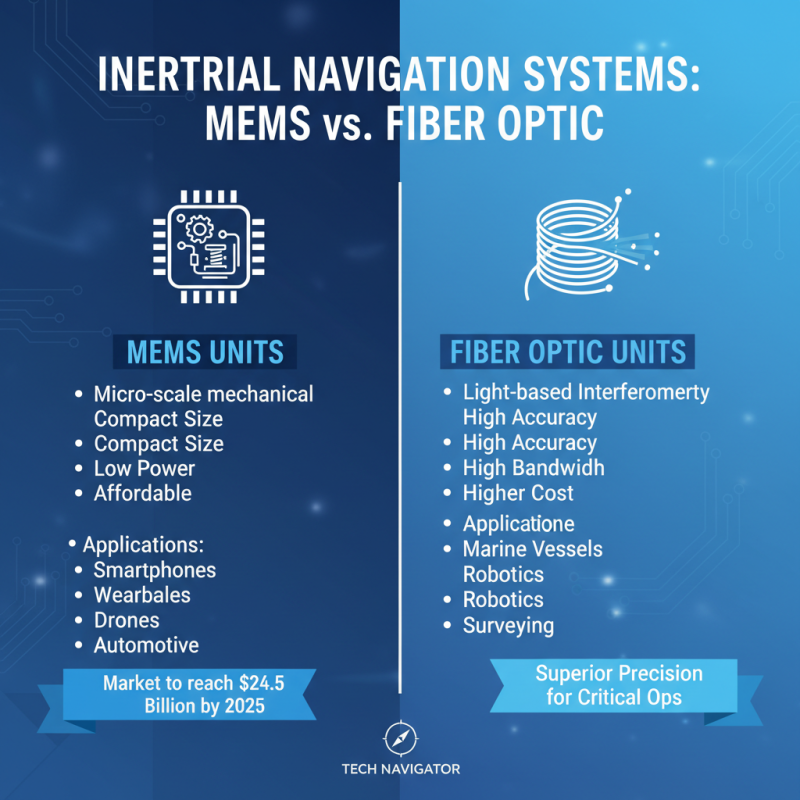
Differences Between MEMS and Fiber Optic Inertial Units
In the realm of inertial navigation systems, the distinction between MEMS (Micro-Electro-Mechanical Systems) and fiber optic inertial units is critical due to their varying operational principles and application domains. MEMS inertial units, characterized by their compact size and low power consumption, utilize micro-scale mechanical structures to detect changes in motion and orientation. According to a report by MarketsandMarkets, the MEMS sensor market is projected to grow from $14.9 billion in 2020 to $24.5 billion by 2025, driven largely by their integration in consumer electronics and automotive applications. Their affordability and small footprint make them ideal for devices like smartphones, wearables, and drones.
Conversely, fiber optic inertial units employ the Sagnac effect, utilizing light traveling through optical fibers to measure rotation, offering superior accuracy and stability. These systems are particularly dominant in high-performance applications such as aerospace and military navigation, where precision is paramount. A recent analysis by Research and Markets indicates that the fiber optic gyro market is expected to reach approximately $2.7 billion by 2025, owing to their reliability in demanding environments. The choice between MEMS and fiber optic units ultimately hinges on the specific requirements of an application, where budget constraints and accuracy needs dictate the appropriate technology.
Benefits of Using Inertial Units in Navigation Systems
Inertial units play a crucial role in enhancing navigation systems by providing accurate position and orientation data. These units utilize a combination of accelerometers and gyroscopes to measure motion and rotation, allowing for real-time tracking of movement. The benefits of using inertial units in navigation systems are manifold, especially in applications where GPS signals may be weak or unavailable, such as in underwater exploration or during adverse weather conditions.
One key advantage of inertial units is their autonomous operation. Once calibrated, they do not rely on external signals, making them exceptionally reliable for continuous navigation. This feature is particularly valuable in mobile robotics, aerospace, and automotive industries where maintaining precise position information is critical. Additionally, inertial units can be integrated with other sensors to create a more robust navigation solution, leading to improved accuracy and reliability.
Tips: When selecting an inertial unit for your navigation system, consider the specific application requirements, including the required level of precision and environmental factors. Calibrating the inertial unit properly can vastly improve its performance, so always allocate time for this essential step. Also, explore compatibility with existing systems to ensure seamless integration and optimal functionality.
Challenges and Limitations of Inertial Units
Inertial units, while pivotal in various applications such as navigation, robotics, and motion tracking, face several challenges that can limit their effectiveness. One primary constraint is the cumulative effect of drift, which occurs when minor errors in measurement accumulate over time, leading to significant inaccuracies in position and orientation calculations. This drift can be exacerbated in environments where external references are limited or absent, resulting in a reliance solely on the inertial unit's internal measurements.
Another limitation lies in sensitivity to external factors, such as temperature variations and vibrations, which can affect sensor performance and data accuracy. In harsh conditions or dynamic environments, inertial units may struggle to provide reliable readings, necessitating the integration of additional sensors or technologies to enhance robustness. Moreover, the complexity of accurately interpreting data from inertial units can lead to implementation challenges, particularly in systems that require high precision. To overcome these obstacles, ongoing research and advancements in sensor technology and data fusion techniques are crucial for the future development of inertial systems.
Top 10 Inertial Units Explained Their Types Uses and Applications - Challenges and Limitations of Inertial Units
| Type |
Uses |
Applications |
Challenges |
Limitations |
| Micro Electro-Mechanical Systems (MEMS) |
Smartphones, Wearables |
Navigation, Activity Tracking |
Temperature Sensitivity |
Drift Over Time |
| Ring Laser Gyroscope (RLG) |
Aerospace Navigation |
Aircraft, Missiles |
Cost |
Size |
| Fiber Optic Gyroscope (FOG) |
Marine Navigation |
Submarines, Ships |
Sensitivity to Environmental Factors |
Complex Setup |
| Inertial Measurement Unit (IMU) |
Robotics |
Drones, Autonomous Vehicles |
Algorithm Complexity |
Calibration Needs |
| Quartz Accelerometer |
Consumer Electronics |
Gaming Controllers |
Long-term Stability |
Limited Dynamic Range |
| Superconducting Gravity Gradiometer |
Geophysical Studies |
Oil Exploration |
Cryogenic Requirements |
High Cost |
| Capacitive Accelerometer |
Automotive Safety |
Airbag Deployment |
Fatigue Over Time |
Temperature Dependence |
| Strain Gauge |
Structural Health Monitoring |
Bridges, Buildings |
Environmental Effects |
Calibration Drift |
| Vibrating Structure Gyroscope |
Consumer Drones |
Aerial Photography |
Noise Sensitivity |
Limited Bandwidth |
| Tuning Fork Gyroscope |
Mobile Devices |
Smartphones, Tablets |
Cost-Effectiveness |
Sensitivity to Temperature |
Future Trends in Inertial Unit Development and Applications
The future of inertial unit development is poised for significant advancements driven by the increasing demand for precision and efficiency across various industries. With the rise of autonomous systems, such as drones and self-driving vehicles, there is a critical need for ultra-reliable inertial measurement units (IMUs) that can provide real-time data with minimal latency. Emerging technologies in micro-electromechanical systems (MEMS) are paving the way for lighter, more compact inertial units, enabling broader applications from consumer electronics to aerospace engineering.
Furthermore, advancements in artificial intelligence and machine learning are set to revolutionize how inertial units process and interpret data. By integrating AI, these units can enhance their accuracy and adapt to dynamic environments, making them invaluable in sectors like robotics, navigation, and mobile devices. As industries continue to explore the potential of Internet of Things (IoT) applications, the interoperability of inertial units with other sensors will also be a key trend, creating more comprehensive data ecosystems that improve decision-making processes in real-time. The future of inertial units promises a blend of precision, intelligence, and connectivity, opening up new horizons for technological innovation.
FAQS
: The main types of inertial units used in navigation systems are accelerometers, gyroscopes, and inertial measurement units (IMUs). Accelerometers measure linear acceleration, gyroscopes assess angular velocity, and IMUs combine both functionalities to provide comprehensive motion data.
The global inertial measurement unit market is projected to reach approximately $19 billion by 2026, driven by increasing demand in sectors such as aerospace, automotive, and consumer electronics.
Inertial units are pivotal in aerospace applications as they enhance flight control systems and stabilize aircraft, ensuring safety and efficiency during flight operations.
Inertial navigation systems are crucial in advanced driver-assistance systems (ADAS), contributing to improved vehicle navigation and safety features, particularly in autonomous vehicles.
Inertial units enhance the ability of mobile robots to execute complex maneuvers in unstructured environments, allowing for better navigation and functionality in diverse tasks.
Miniaturized inertial sensors in wearable devices are used to monitor physical activity and health metrics, helping to analyze motion patterns and improve user experience in health technology.
Inertial units provide autonomous operation and reliable navigation even in conditions where GPS signals may be weak or unavailable, such as underwater exploration or during adverse weather.
When integrated with other sensors, inertial units can create a more robust navigation solution, leading to improved accuracy and reliability in various applications.
When selecting an inertial unit, it is important to consider the specific application requirements, including the desired level of precision, environmental factors, and compatibility with existing systems.
Proper calibration of inertial units vastly improves their performance, making it an essential step to ensure accurate and reliable navigation data.
Conclusion
Inertial Units play a crucial role in modern technology by providing accurate motion sensing and navigation capabilities. This article explores the various types of inertial units, including MEMS and fiber optic systems, and their working principles. Common applications span diverse fields such as aerospace, automotive, and consumer electronics, demonstrating their versatility in enhancing navigation systems.
While inertial units offer numerous benefits, such as high reliability and real-time data processing, they also face challenges, including sensitivity to external disturbances and limitations in long-term accuracy. Future trends indicate a move towards improved miniaturization and integration with other sensing technologies, which will further expand their applications and effectiveness in various industries.

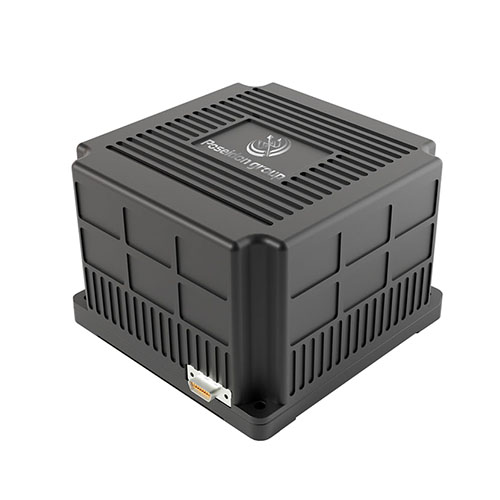 TBSD60
 BSD120
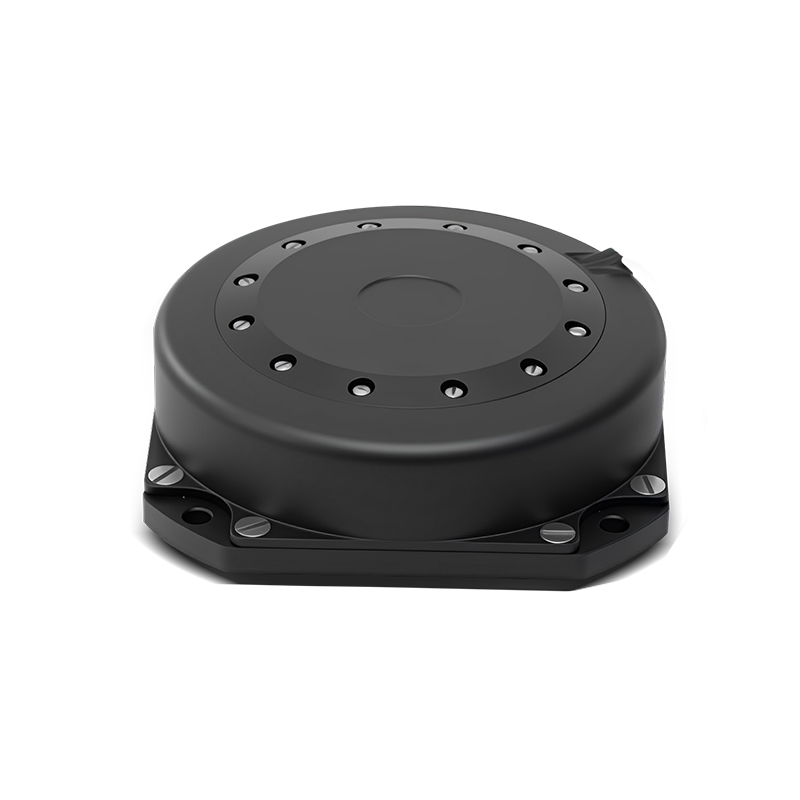 BSD98
BSD98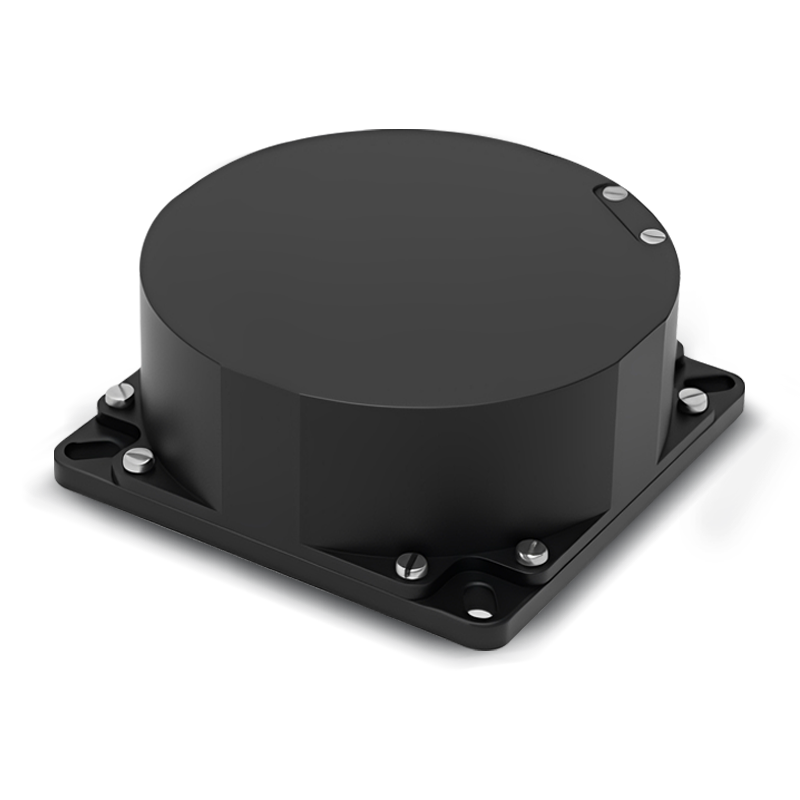 BSD70
BSD70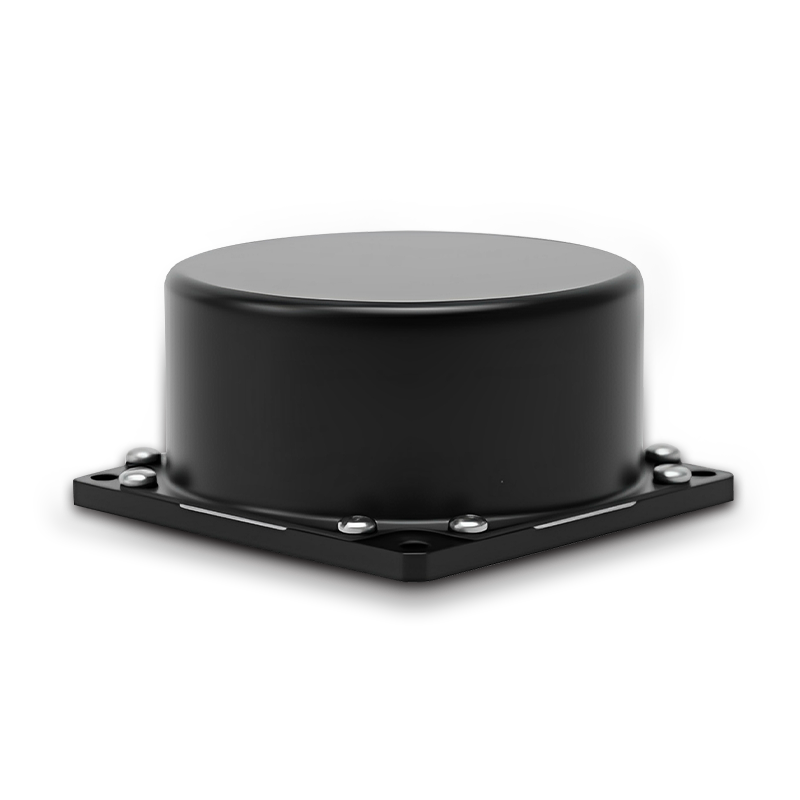 BSD60
BSD60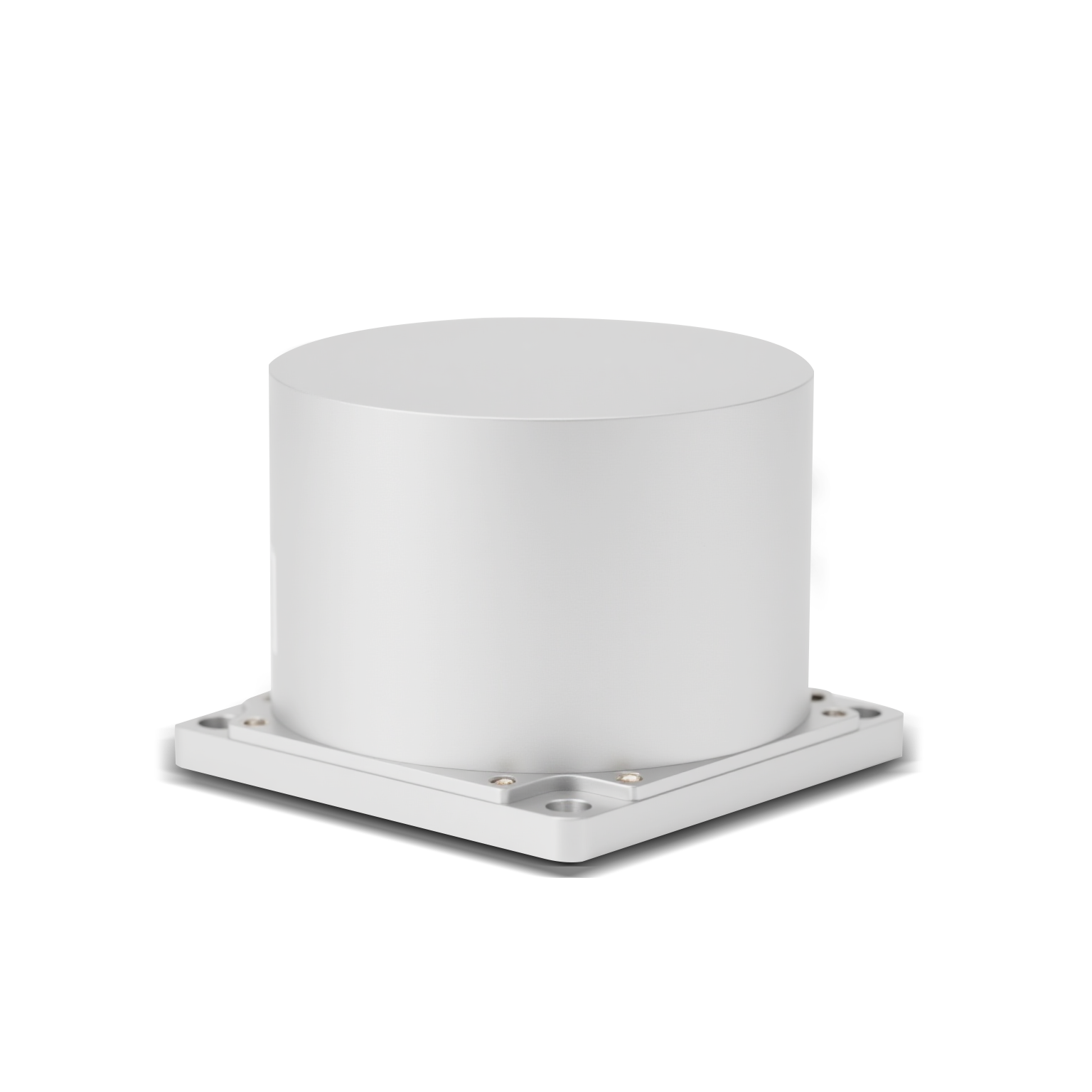 BSD50
BSD50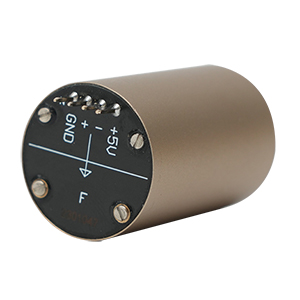 BSD217
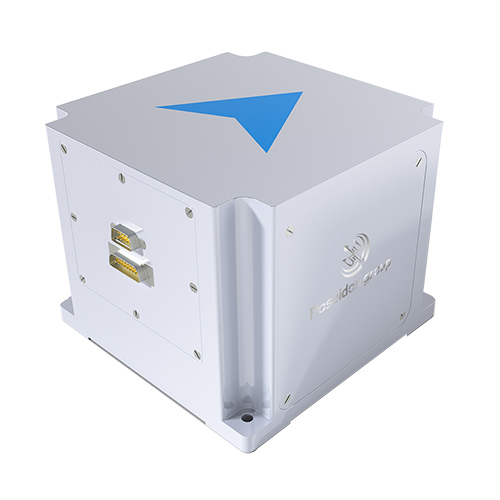 INS1700
 INS970
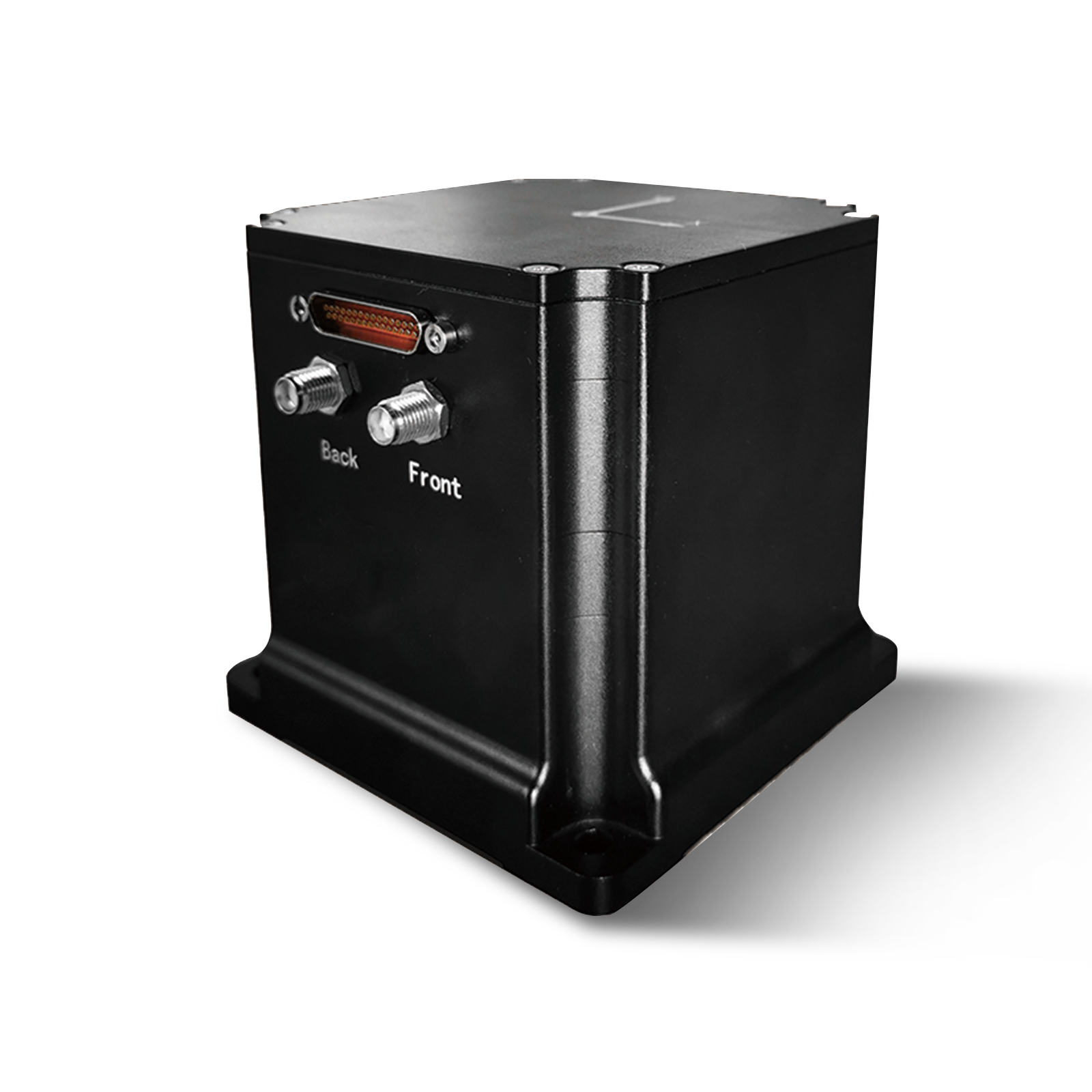 INS570
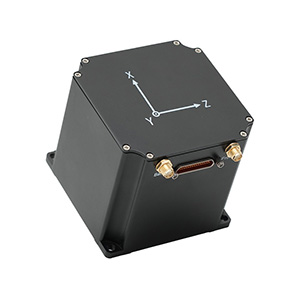 INS170
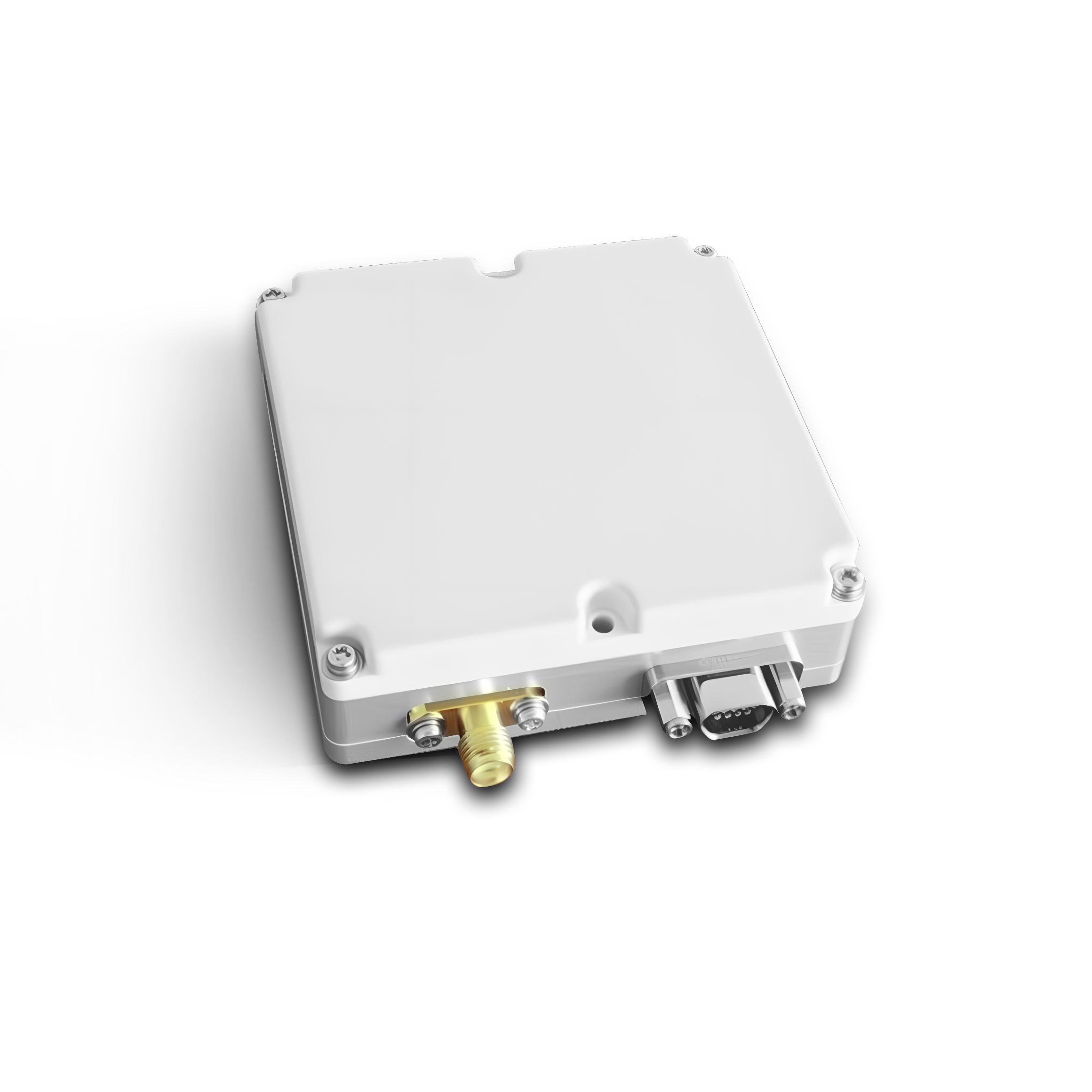 SLA-4B1L1-65
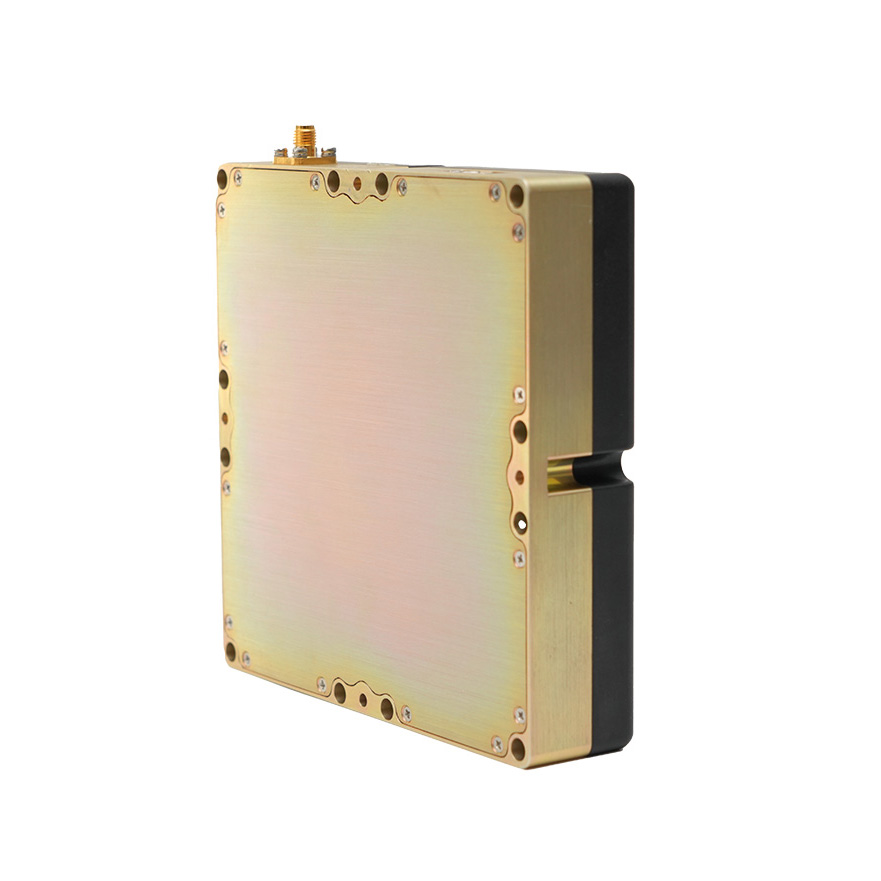 SLA-4B1L1-130
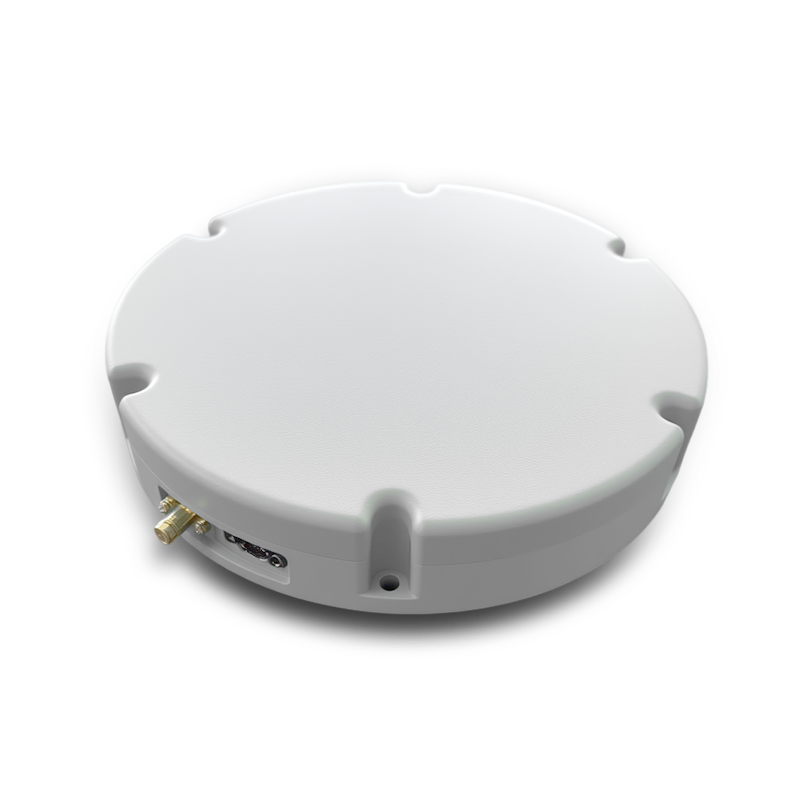 SLA-8B1L1-165
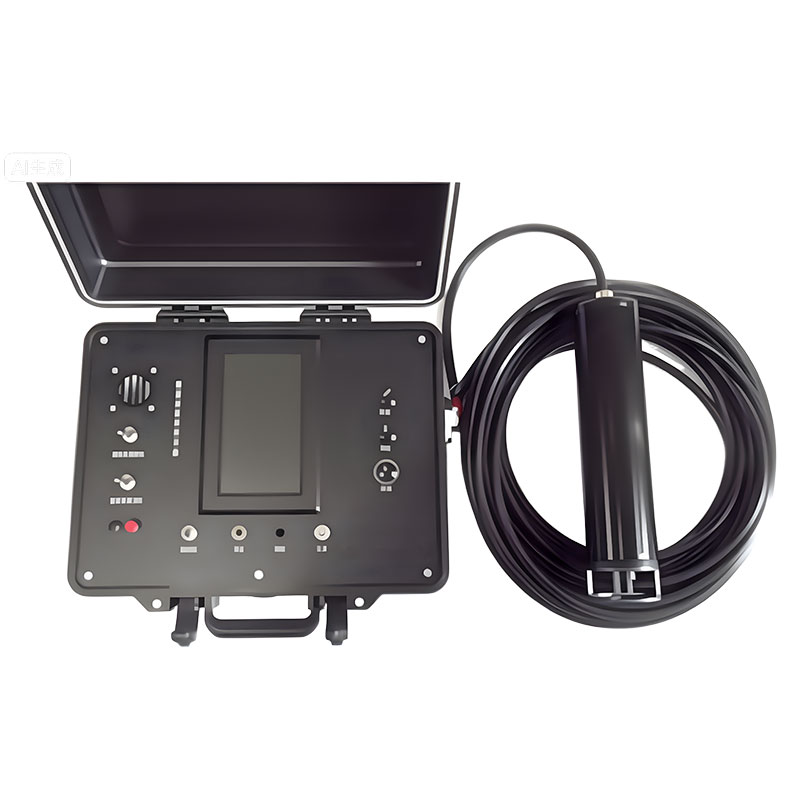 DIVER 101
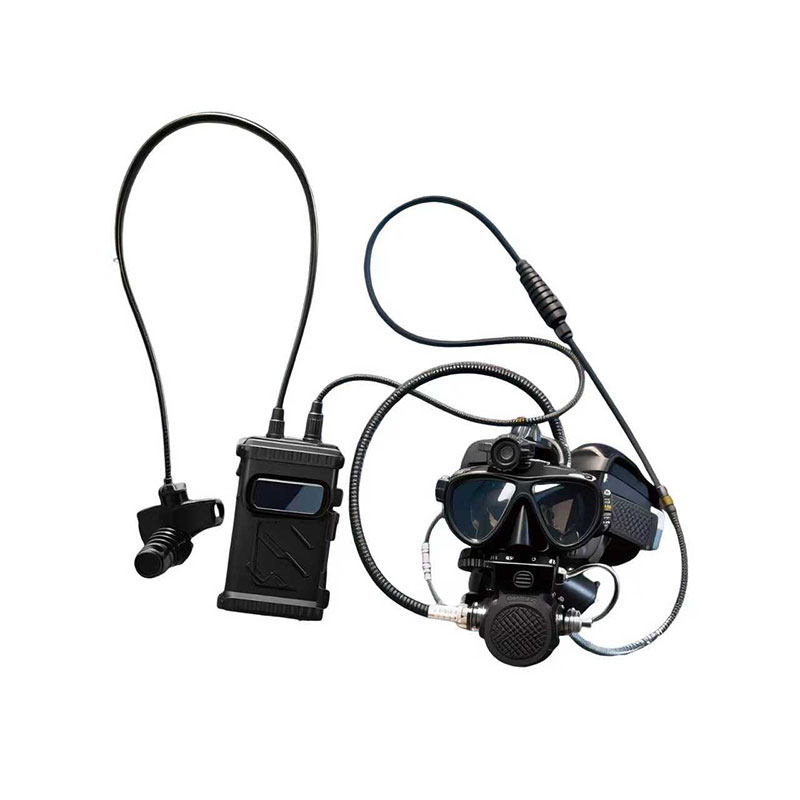 DIVER 102
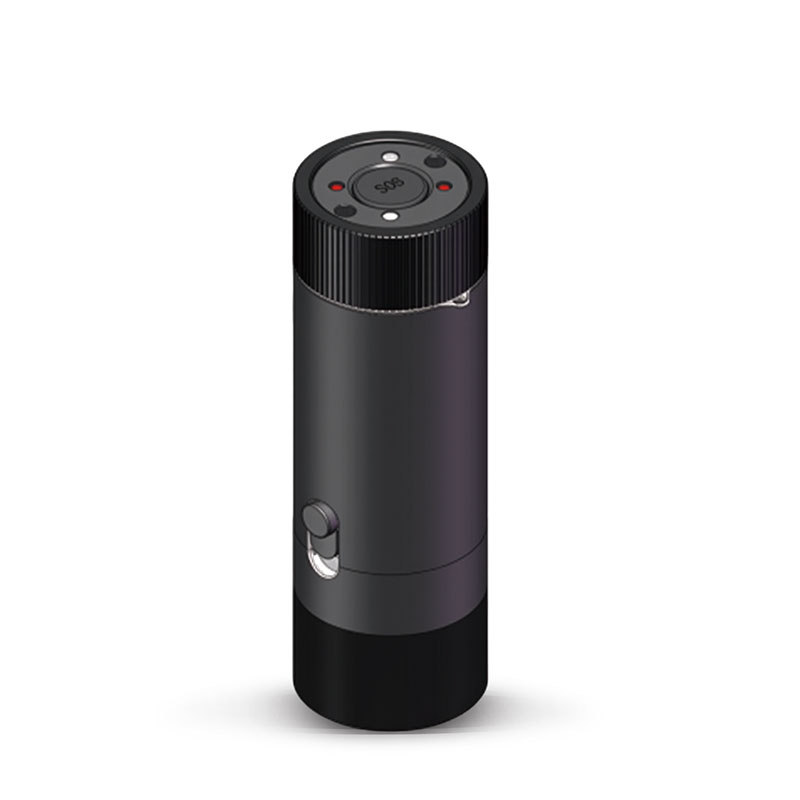 DIVER 103
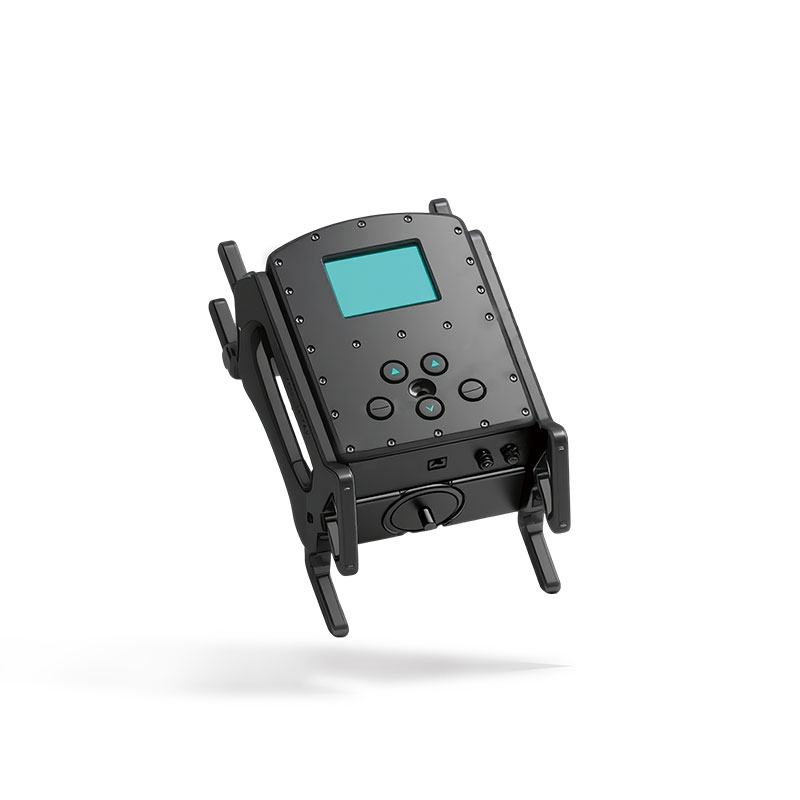 DIVER 104
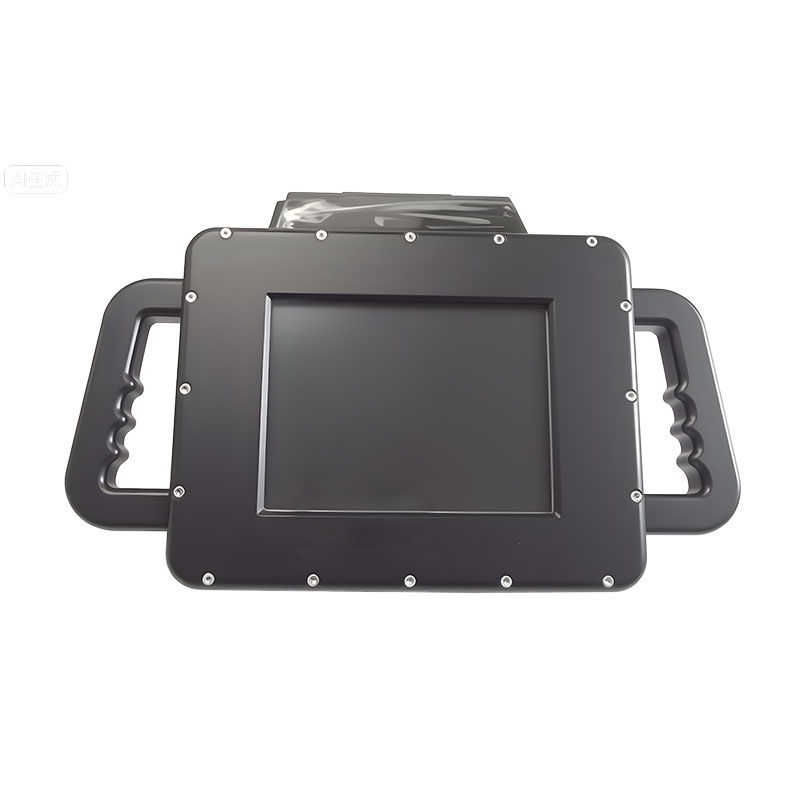 DIVER 105
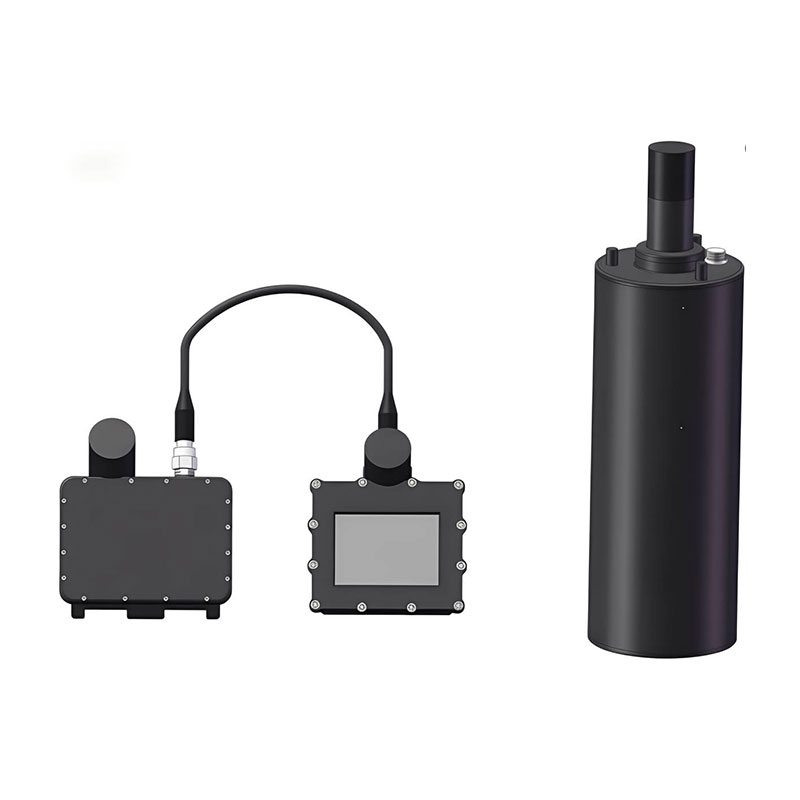 DIVER 106
 SLLR3000
 SLLR905
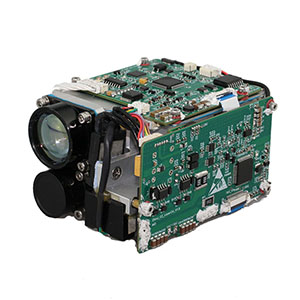 SLLD25
 160M
160M 170M
170M SLFC-70
 SLAF280
 MR360
MR360