 TBSD60
 BSD120
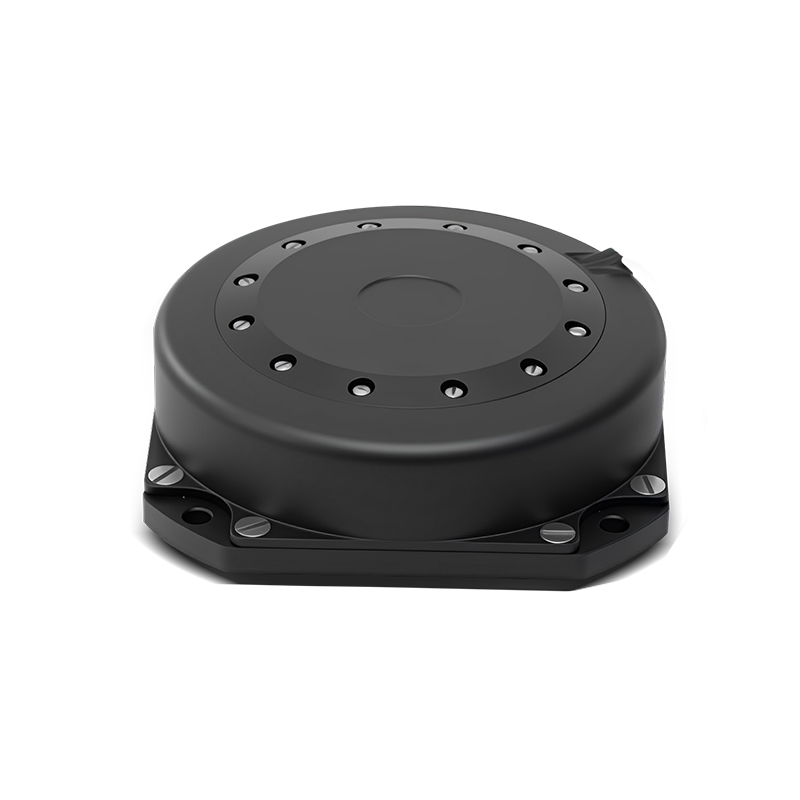 BSD98
BSD98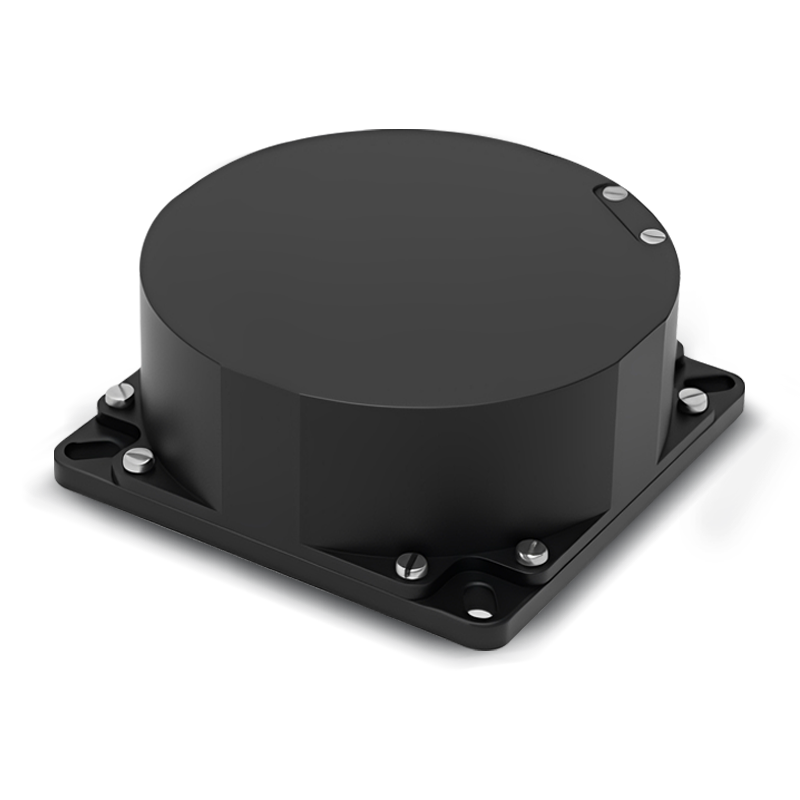 BSD70
BSD70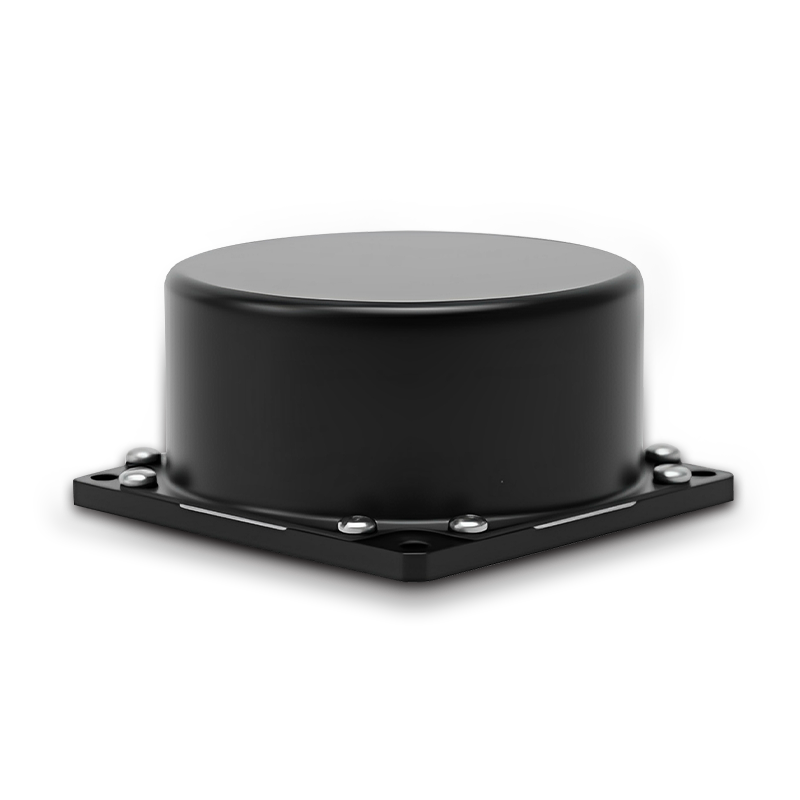 BSD60
BSD60 BSD50
BSD50 BSD217
 INS1700
 INS970
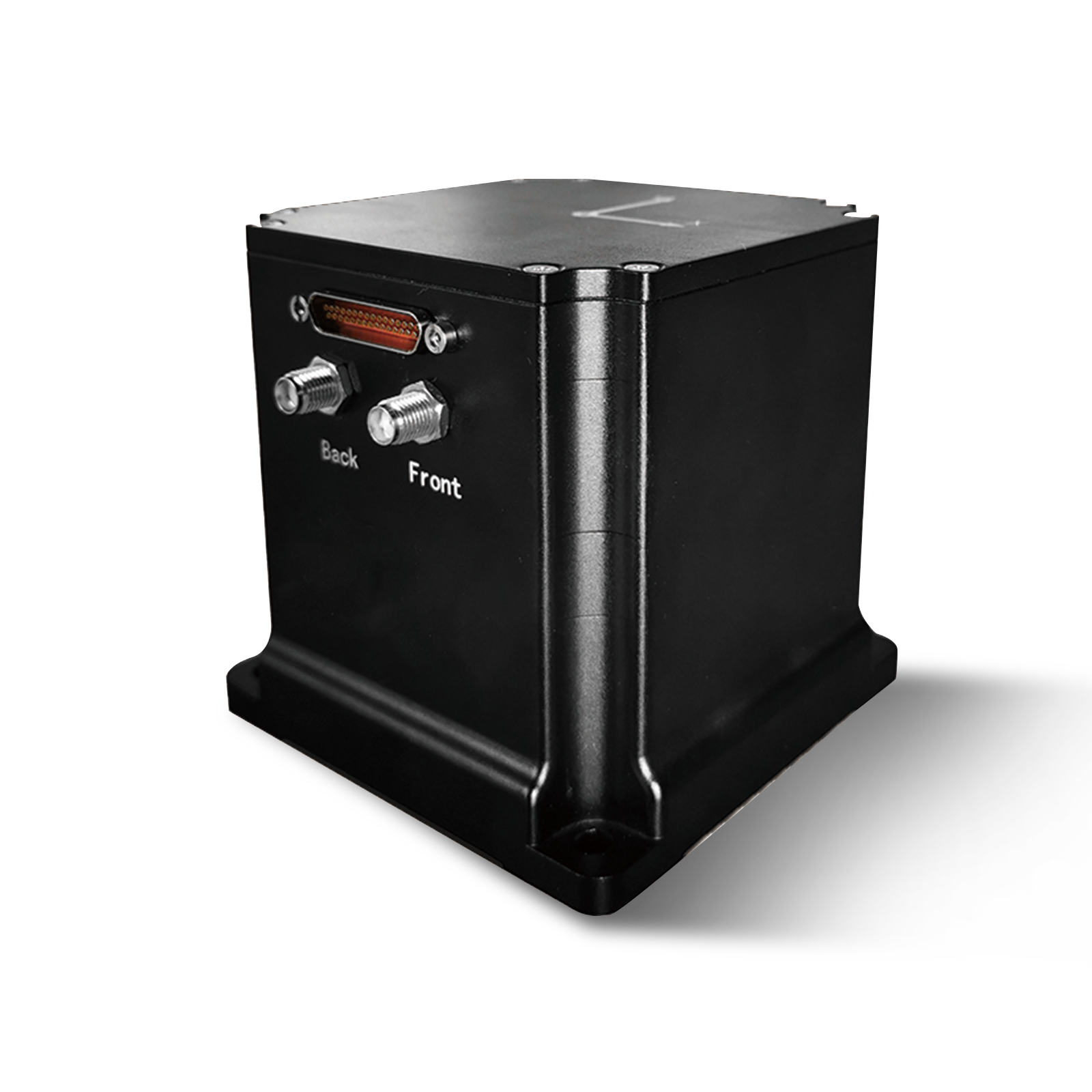 INS570
 INS170
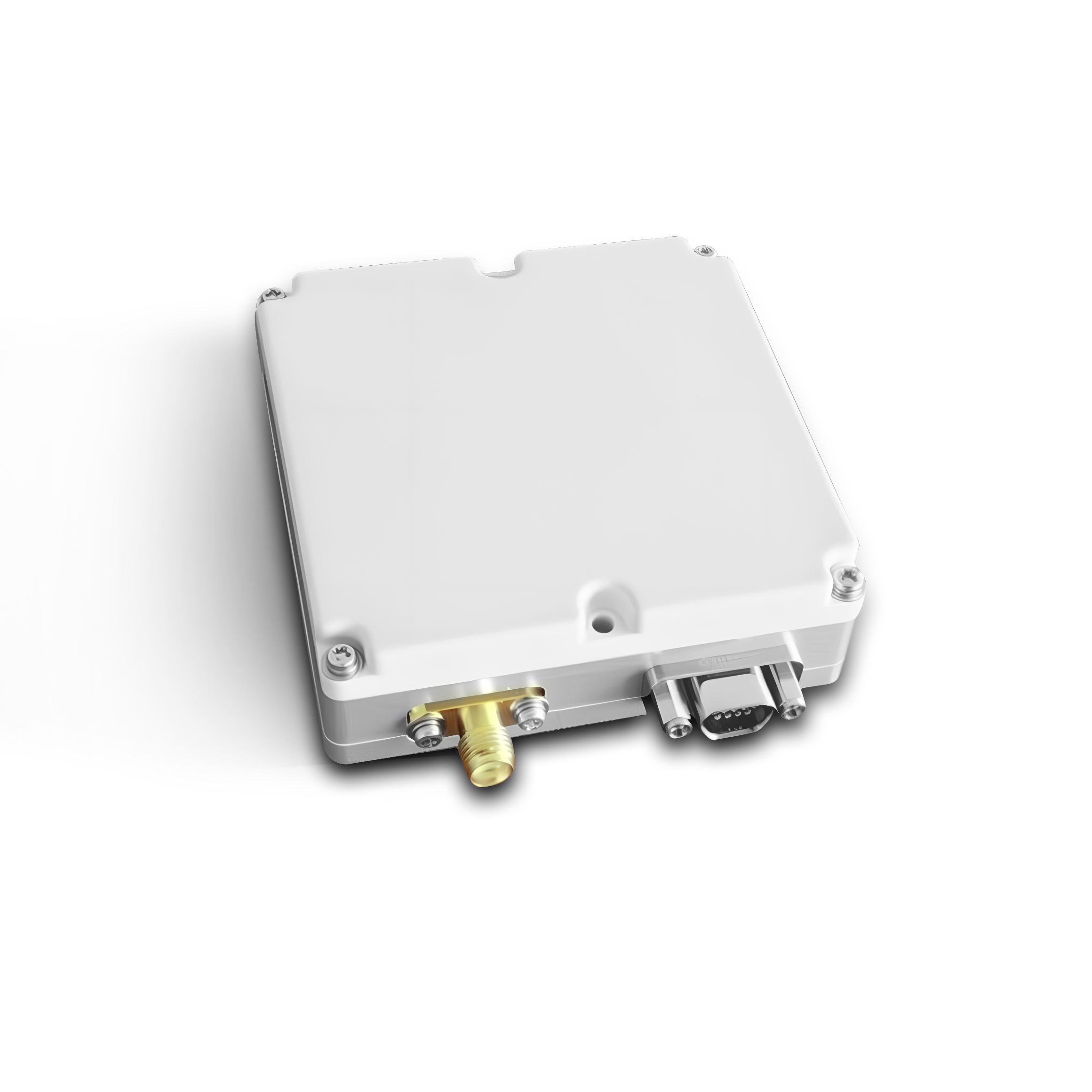 SLA-4B1L1-65
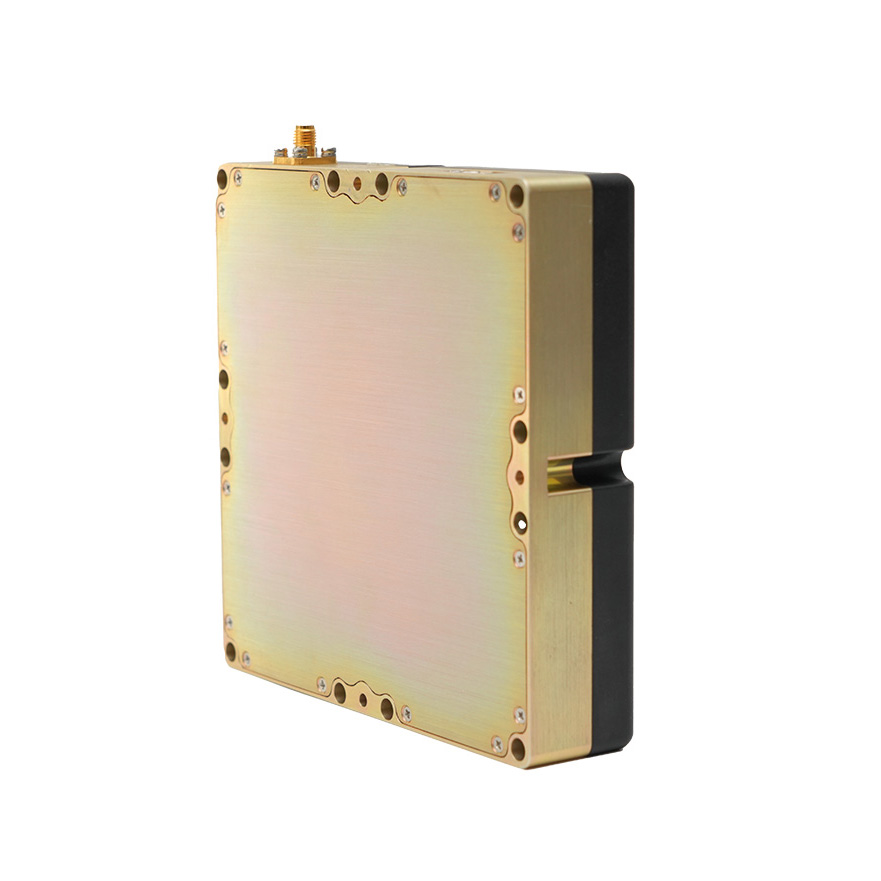 SLA-4B1L1-130
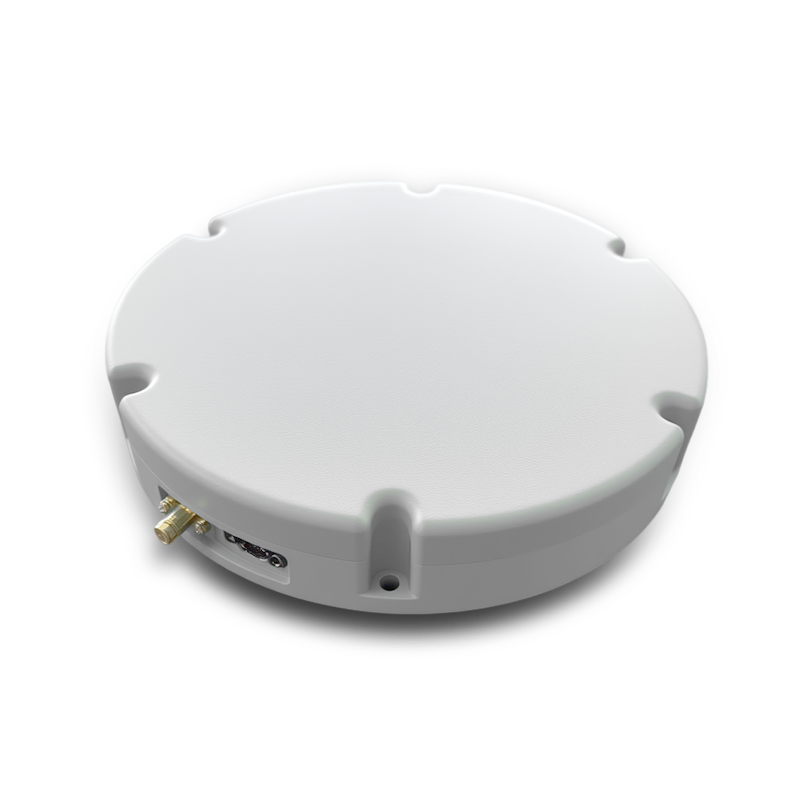 SLA-8B1L1-165
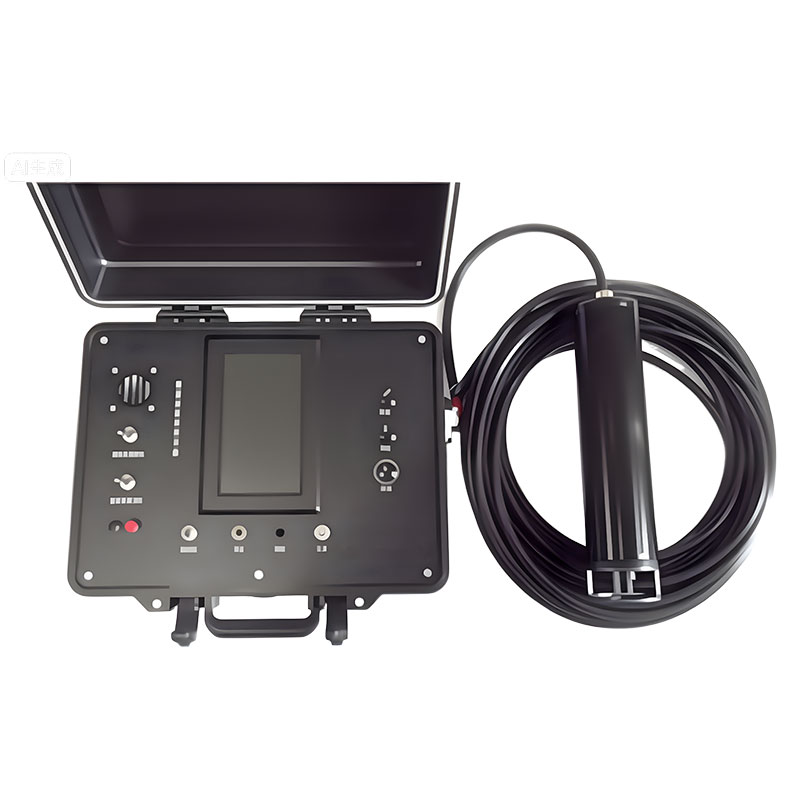 DIVER 101
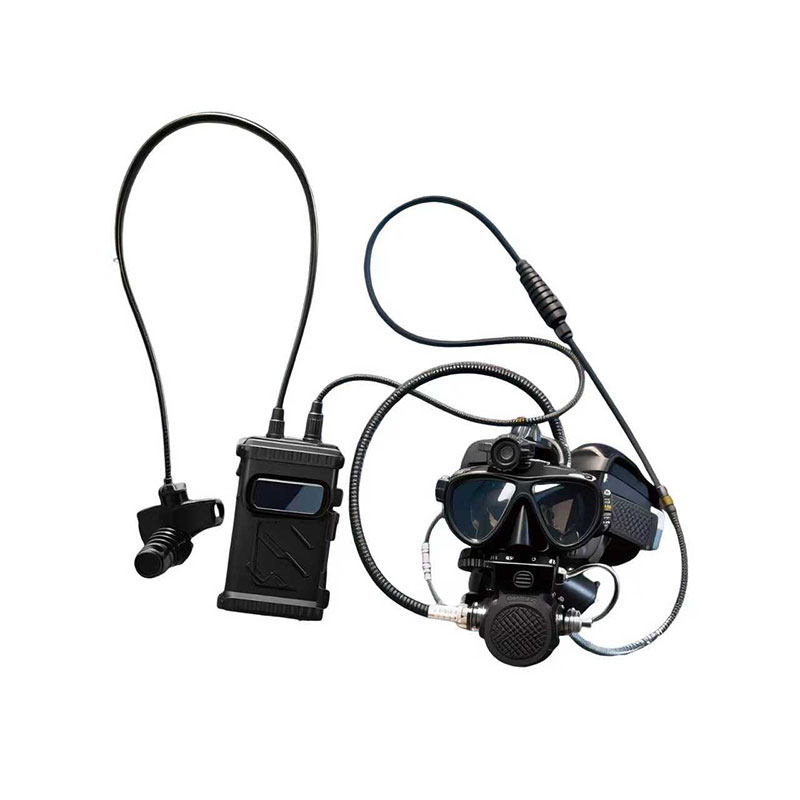 DIVER 102
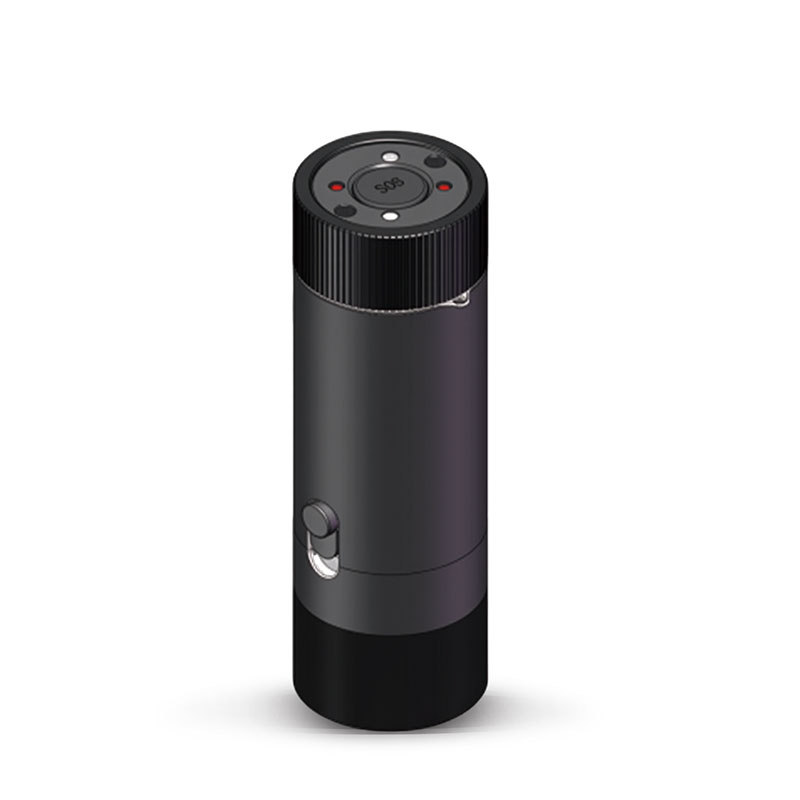 DIVER 103
 DIVER 104
 DIVER 105
 DIVER 106
 SLLR3000
 SLLR905
 SLLD25
 160M
160M 170M
170M SLFC-70
 SLAF280
 MR360
MR360
Leave Your Message
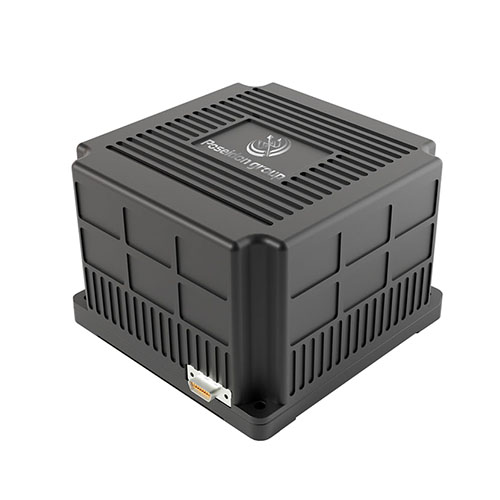
The global expansion of high-speed rail networks has fundamentally revolutionized modern transportation, enabling millions of passengers to travel at speeds exceeding 300 km/h safely and efficiently. However, maintaining the structural integrity and geometric precision of these tracks is a monumental engineering challenge. This is where the Inertial Mapping Unit for High-Speed Railway Track Inspection becomes indispensable. An Inertial Mapping Unit (IMU) integrates high-precision accelerometers and gyroscopes to measure a vehicle's specific force, angular rate, and sometimes the magnetic field surrounding the device. In the context of railway inspection, IMUs are the beating heart of track geometry measurement systems (TGMS), providing continuous, real-time, and high-fidelity data regarding track alignment, cross-level, gauge, and twist.
Commercially, the railway inspection market is experiencing exponential growth. Traditional manual inspections and low-speed inspection trolleys are rapidly being phased out due to their inefficiency and inability to replicate the dynamic loading conditions of a high-speed train. Today's industrial standard demands that track inspection occurs at operational speeds. By mounting an advanced Inertial Mapping Unit directly onto commercial high-speed trains or dedicated inspection vehicles, railway operators can achieve continuous monitoring without disrupting regular train schedules. This paradigm shift translates to massive commercial benefits: drastic reduction in maintenance downtime, optimization of labor resources, and most importantly, the prevention of catastrophic derailments. Global railway authorities, including the European Union Agency for Railways (ERA) and various national rail operators in Asia and North America, are increasingly mandating the integration of autonomous IMU-based inspection systems to meet stringent EN 13848 standards for track geometry quality.
High-speed rail demands unparalleled accuracy. Our IMU solutions utilize tactical-grade sensors to detect micro-deviations in track geometry, ensuring sub-millimeter precision even when operating at velocities surpassing 350 km/h. This accuracy is critical for identifying long-wavelength defects that traditional optical systems might miss.
Capturing the full 6 Degrees of Freedom (6-DOF), the Inertial Mapping Unit records pitch, roll, yaw, and multi-axial acceleration. This comprehensive spatial data enables engineers to construct a perfect digital twin of the railway network, facilitating predictive maintenance and long-term structural analysis.
Poseidon International Group (Hong Kong) Limited — Connecting the World Through High Accuracy Navigation Technology
Based in Hong Kong, we are a global enterprise dedicated to delivering high-quality products and professional services. We have established long-term, stable, and efficient partnerships with numerous suppliers worldwide, ensuring competitive pricing and superior product quality.
The implementation of an Inertial Mapping Unit for High-Speed Railway Track Inspection extends far beyond simple location tracking. The depth of its application scenarios encompasses various highly specialized engineering tasks that ensure the safety and longevity of railway assets.
1. Track Geometry and Alignment Measurement: The primary application of an IMU in this sector is the continuous calculation of track geometry. As the inspection train moves, the IMU's gyroscopes measure the roll, pitch, and yaw rates, while accelerometers measure the lateral and vertical forces. Through complex sensor fusion algorithms (often utilizing Kalman filters), the system calculates the exact curvature, cross-level (cant), and longitudinal profile of the tracks. This data is critical because even a few millimeters of deviation at 300 km/h can cause severe passenger discomfort or, worse, dynamic instability of the train.
2. Rail Corrugation and High-Frequency Vibration Analysis: Rail corrugation—a wave-like wear pattern on the rail head—causes excessive noise, vibration, and accelerated degradation of both the track and the train's rolling stock. High-bandwidth Inertial Mapping Units are deployed to capture these high-frequency vibrations. By analyzing the spectral density of the acceleration data, maintenance teams can pinpoint the exact locations of corrugation and schedule rail grinding operations precisely where needed, saving millions in unnecessary maintenance costs.
3. GNSS-Denied Environment Navigation: High-speed railways frequently traverse long tunnels, deep urban canyons, and mountainous regions where Global Navigation Satellite System (GNSS) signals are completely blocked. In these GNSS-denied environments, the IMU becomes the sole source of positioning. Utilizing high-end Fiber Optic Gyroscopes (FOG) or advanced Micro-Electromechanical Systems (MEMS), the IMU performs dead reckoning to maintain precise spatial awareness. The extremely low drift rate of these units ensures that the inspection data remains accurately georeferenced until the train re-emerges and reacquires satellite signals.
4. Switch and Crossing (S&C) Diagnostics: Switches and crossings are the most complex and vulnerable components of a railway network. The dynamic interaction between the train wheels and the S&C components generates unique inertial signatures. By analyzing the transient shock and vibration data recorded by the IMU as the train passes over these junctions, operators can detect early signs of component wear, loose fasteners, or structural fatigue before they lead to a critical failure.
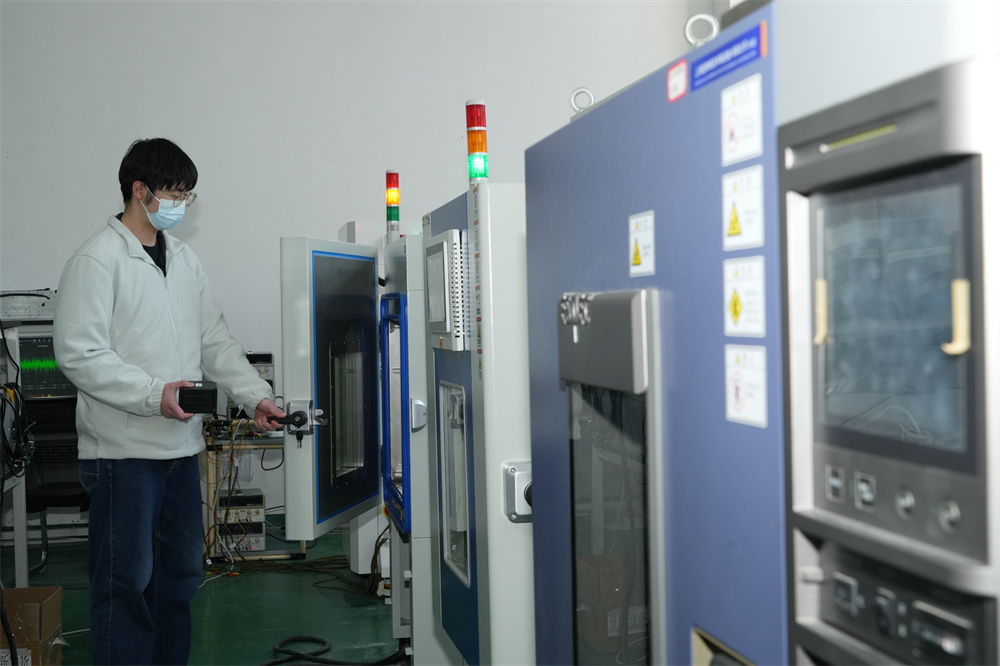
Reducing costs by 25%
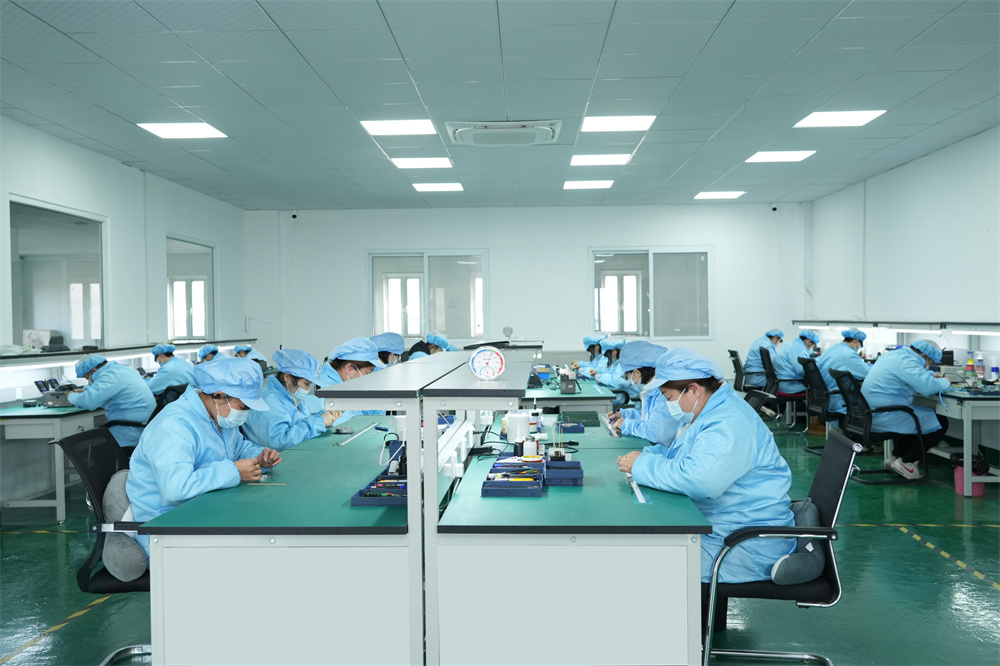
Improving performance by 20%
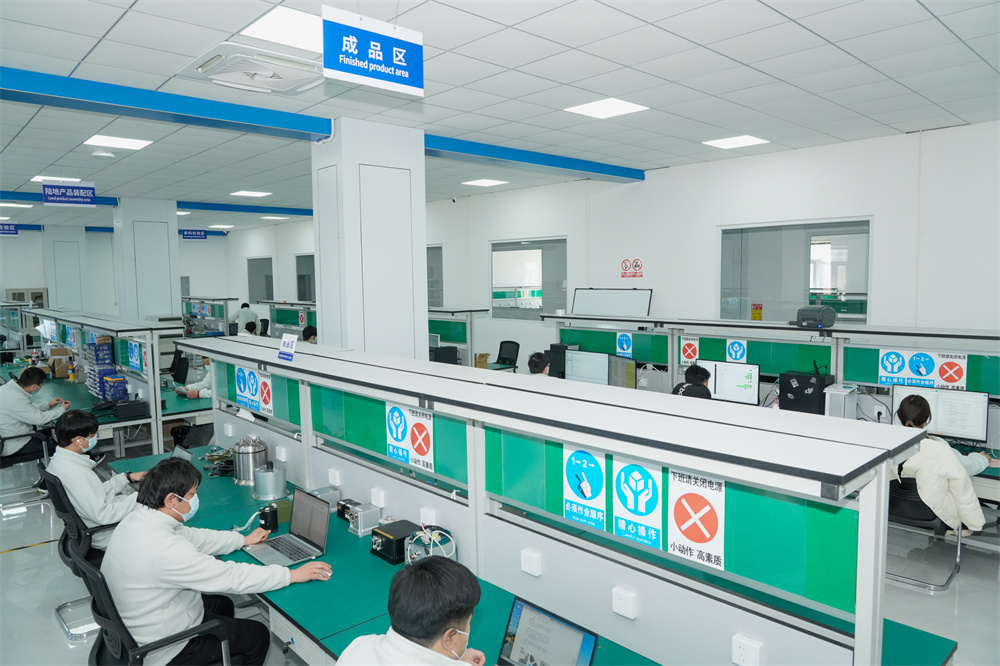
Ensuring stable quality and efficiency
Delivering cross-industry solutions from components to full systems
The landscape of the Inertial Mapping Unit for High-Speed Railway Track Inspection is undergoing a rapid technological evolution. One of the most significant trends is the miniaturization of sensors. Historically, high-precision railway inspection relied on bulky and expensive Ring Laser Gyroscopes (RLG) or Fiber Optic Gyroscopes (FOG). Today, the industry is witnessing a massive shift towards tactical-grade Micro-Electromechanical Systems (MEMS). Advanced MEMS IMUs offer comparable performance to traditional FOGs but at a fraction of the size, weight, and power (SWaP) consumption. This miniaturization allows multiple IMUs to be distributed across different bogies and axles of a single train, providing a more granular and comprehensive analysis of vehicle-track interaction.
Artificial Intelligence (AI) and Machine Learning (ML) are also reshaping how IMU data is processed. Raw inertial data collected at high speeds is inherently noisy, corrupted by engine vibrations, aerodynamic buffeting, and electromagnetic interference. Modern AI algorithms excel at filtering this noise, identifying hidden patterns, and extracting pure track geometry signals. Furthermore, AI-driven predictive analytics utilize historical IMU data to forecast track degradation rates. Instead of reactive maintenance—fixing a track after a fault is detected—railway operators can now employ predictive maintenance, addressing potential issues weeks or months before they manifest into safety hazards.
Finally, the integration of IMU data with 5G IoT networks is facilitating the creation of real-time Digital Twins. A Digital Twin is a highly detailed, dynamic virtual replica of the physical railway network. As the high-speed train traverses the track, the onboard Inertial Mapping Unit streams millimeter-accurate spatial data via 5G to cloud servers. This continuously updates the Digital Twin, allowing engineers in remote control centers to visualize track conditions in real-time, simulate the impact of future traffic loads, and optimize maintenance schedules with unprecedented efficiency.
Poseidon International Limited, Hong Kong strives to provide satisfactory products and services to customers from all walks of life.


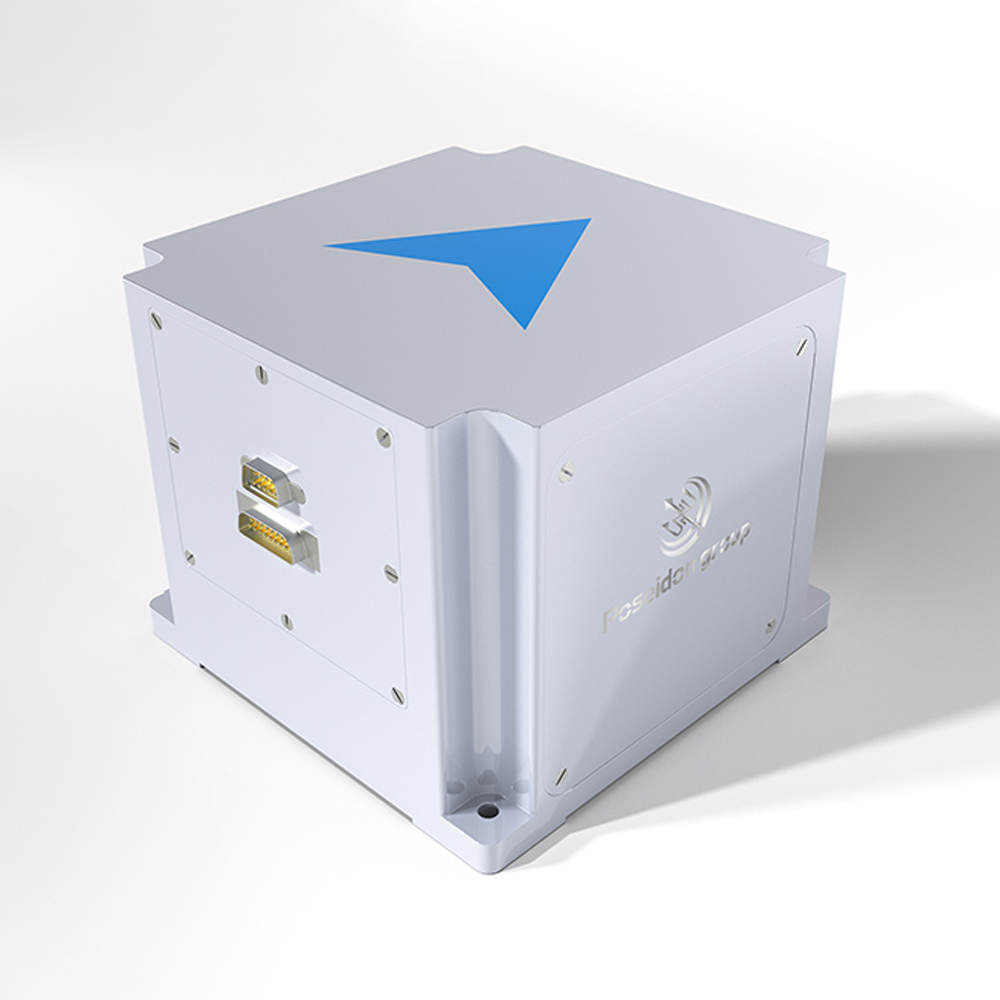

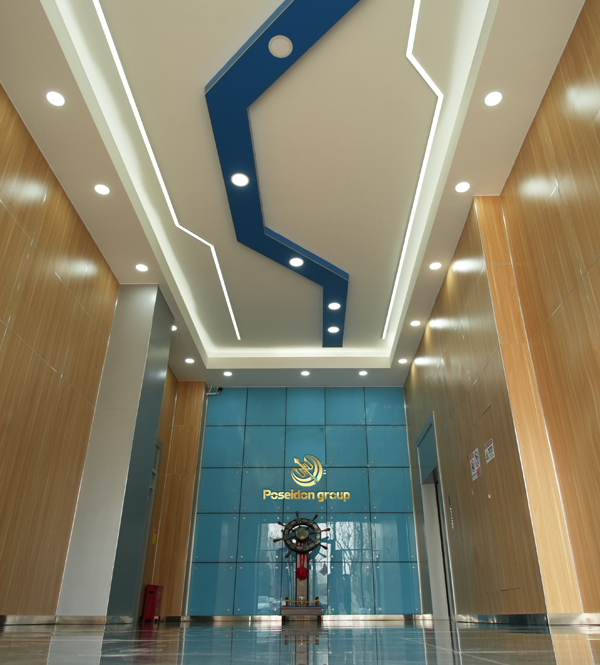
We specialize in the independent research, design, and production of fiber optic gyroscopes (FOG), inertial navigation systems (INS), attitude and control systems, autonomous driving systems, and intelligent control systems for unmanned equipment. By integrating industry-specific requirements, we have made significant technological advancements in digitalization, automation, and intelligence, securing multiple technical patents. With years of experience, we have evolved into a multi-industry intelligent solutions provider with a portfolio of proprietary core technologies.
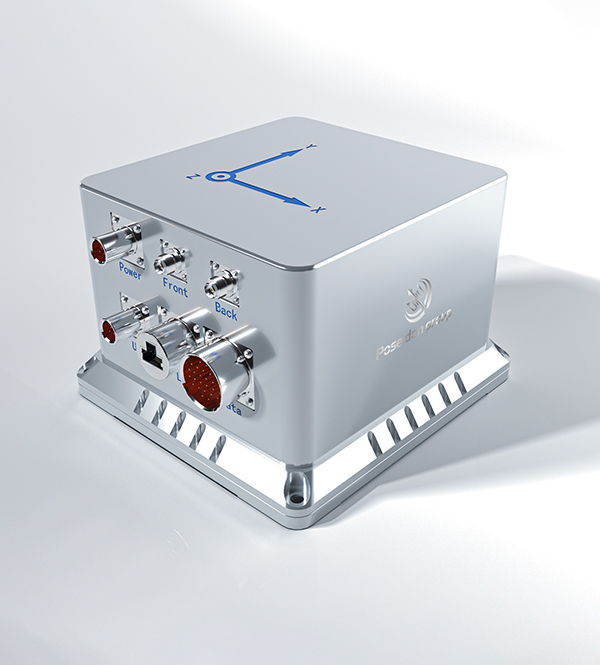
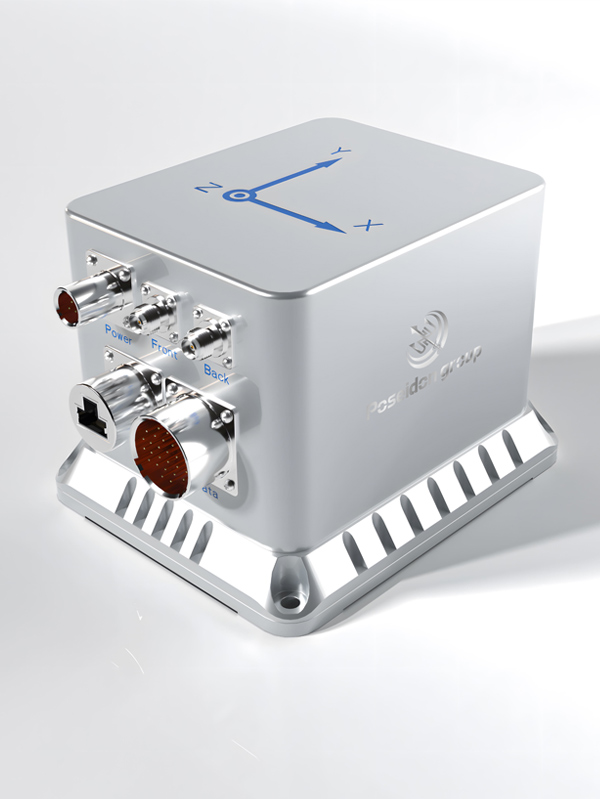
Our core team comprises seasoned experts with extensive backgrounds in aerospace and inertial navigation. We have successfully tackled critical technological challenges in high-precision GNSS-free navigation, laser measurement, integrated navigation, multi-source data fusion, and precise positioning—areas that were once bottlenecks in the industry.

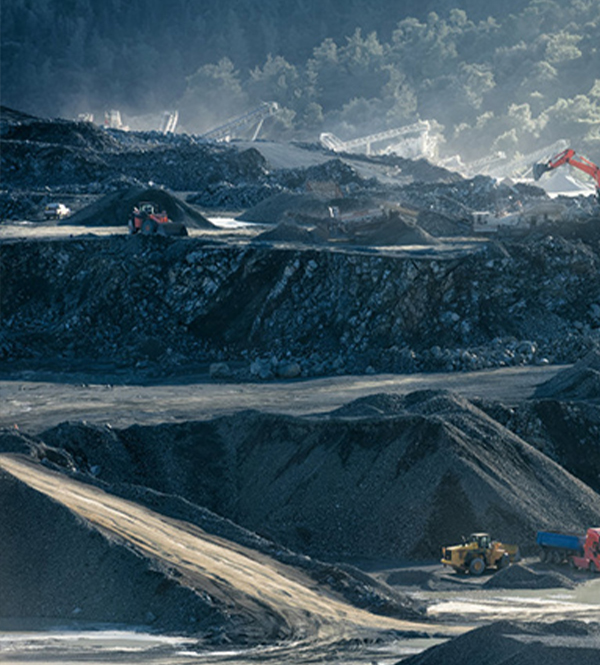
Our products are smaller in size, higher in accuracy, and more stable in performance, featuring long-term dynamic auto-calibration with zero-drift operation. They are widely adopted in scientific research, industrial control, intelligent unmanned systems, high-precision detection, and metrology. Having passed rigorous validation in aviation, aerospace, marine, mining, and railway applications, our solutions have been procured in bulk, filling key technological gaps in China.
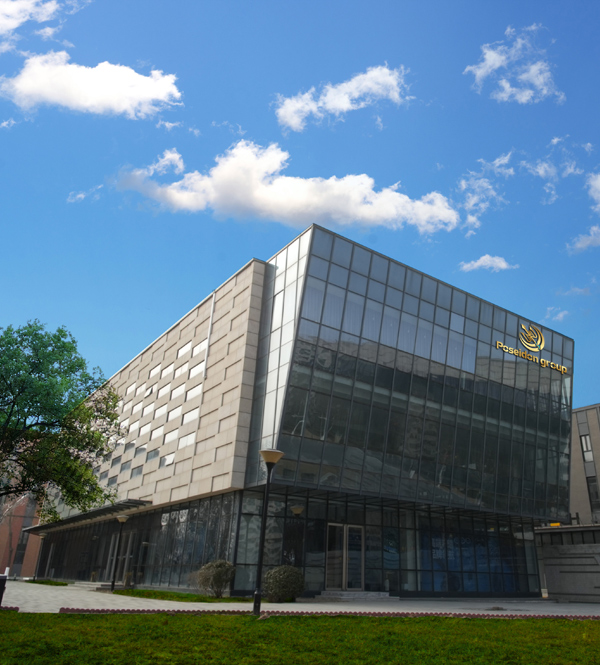
We operate over 6,000-square-meter manufacturing facility in mainland China, equipped with advanced R&D, production, and testing infrastructure, enabling large-scale production and timely delivery. Our network of subsidiaries, offices, and spare parts warehouses across China ensures prompt technical support and after-sales service.
Compared to similar companies, we offer unique advantages:


Guided by the vision of "Connecting the World through Inertial Navigation", we strive to push the boundaries of navigation technology, aiming to become a leading integrated solutions provider with a broad product portfolio and advanced competencies.
Contact Us!