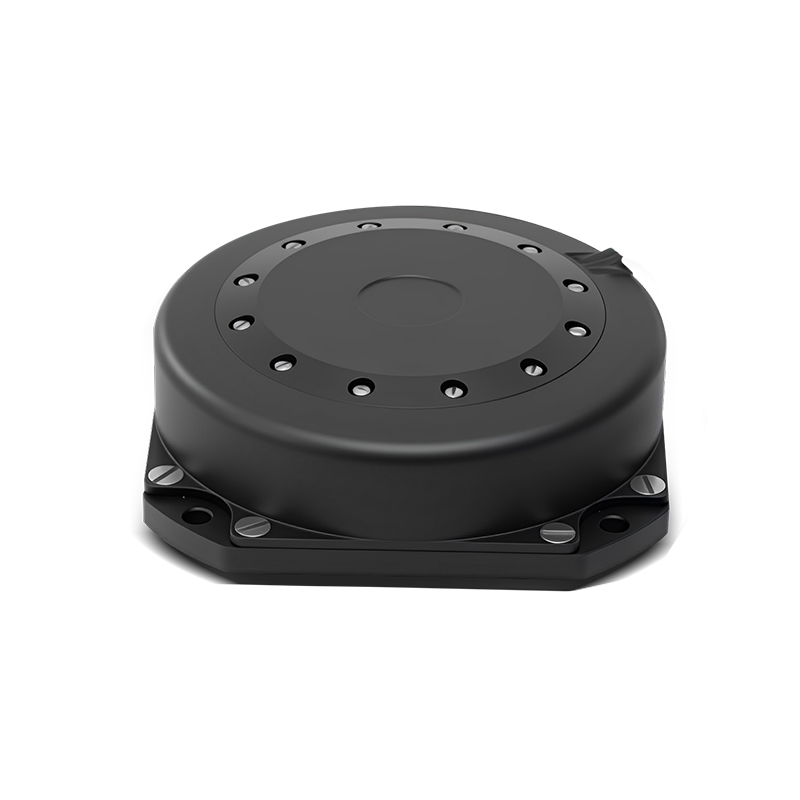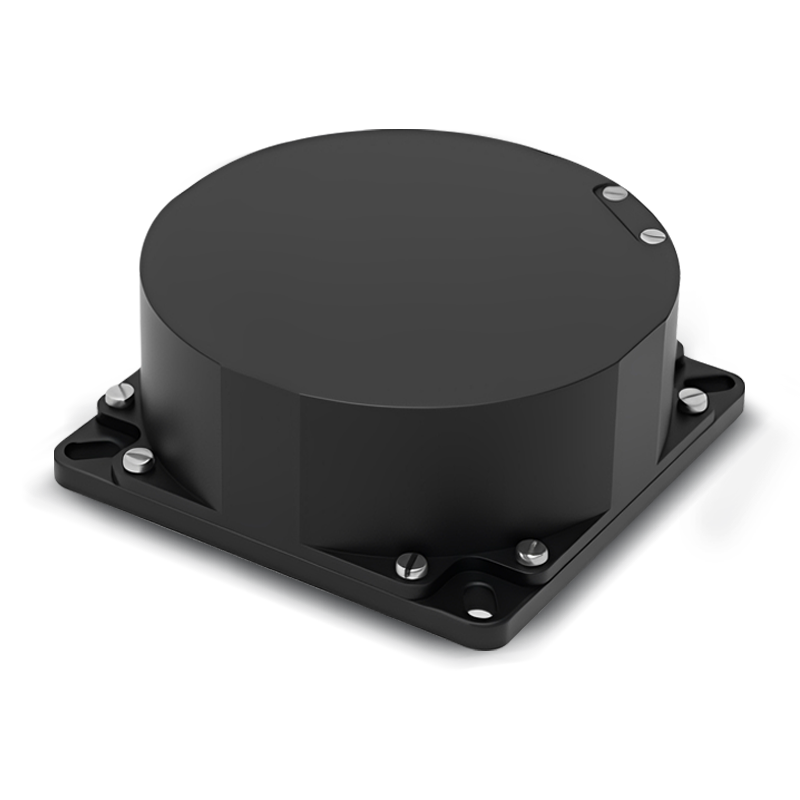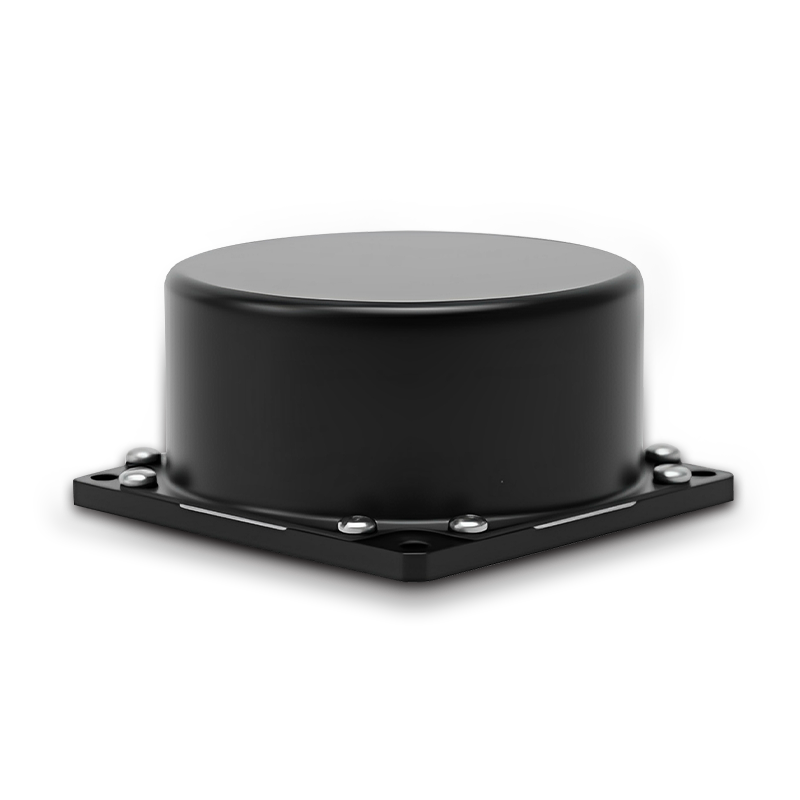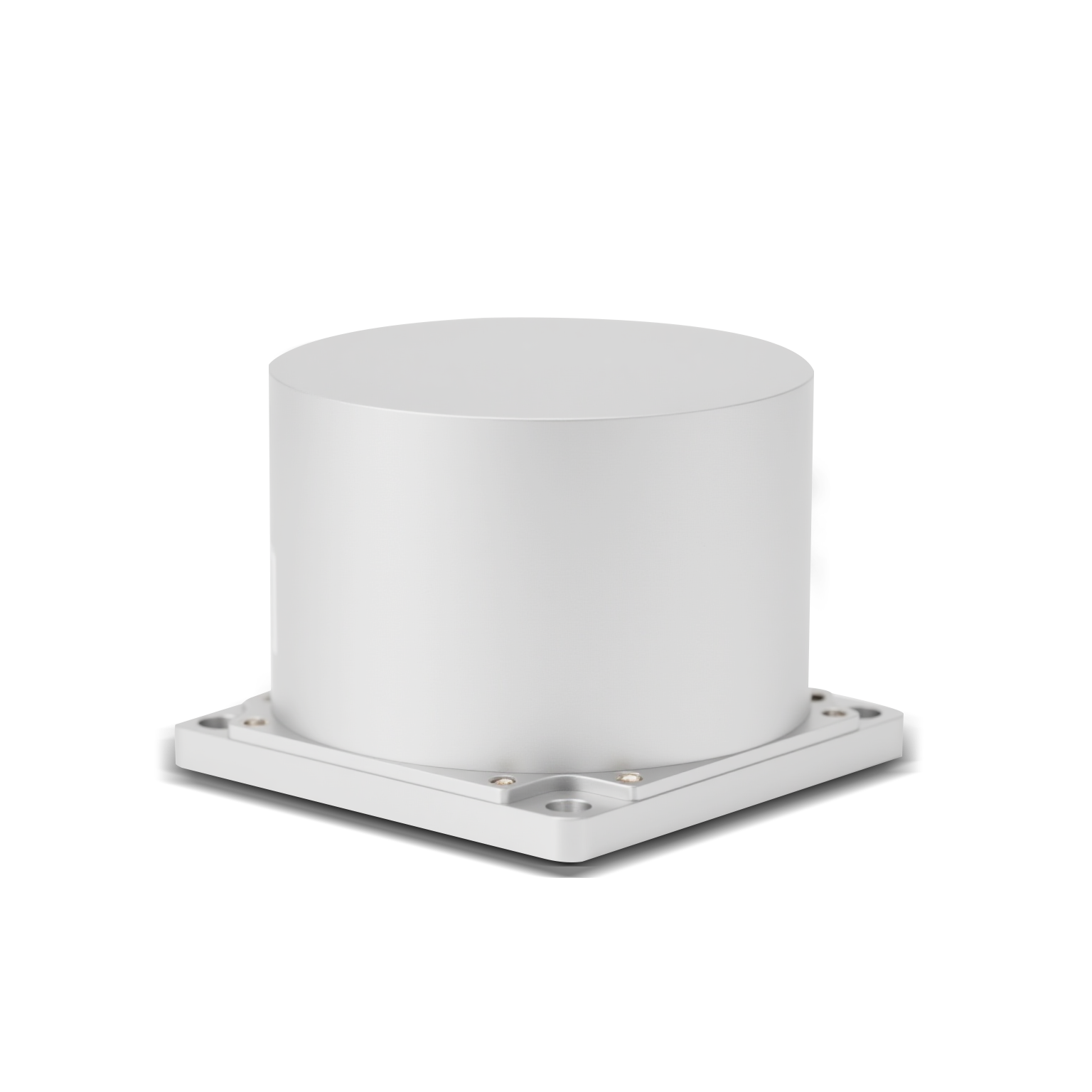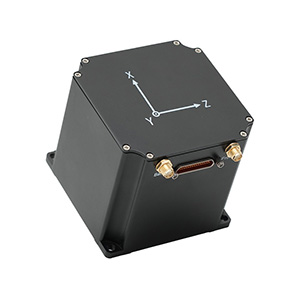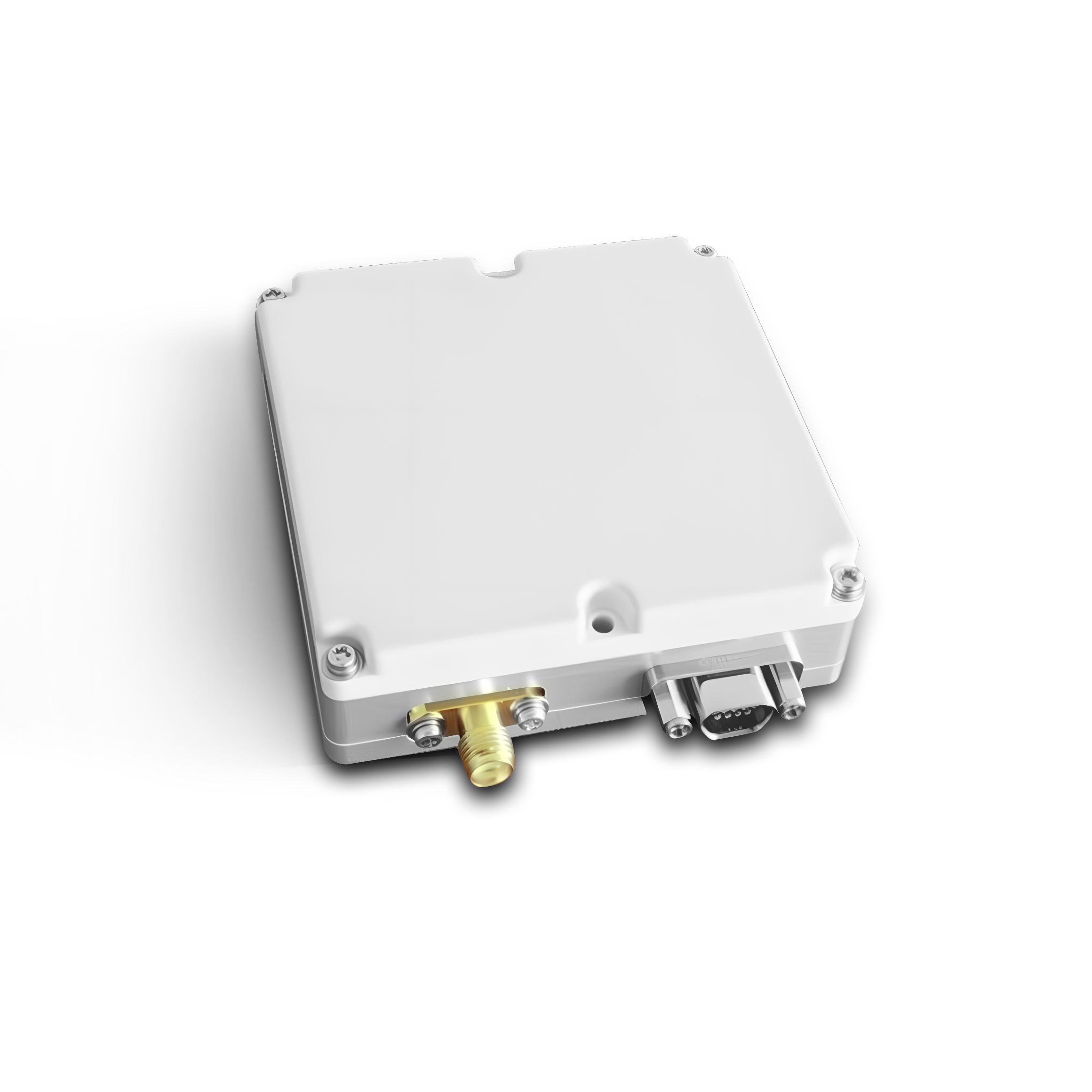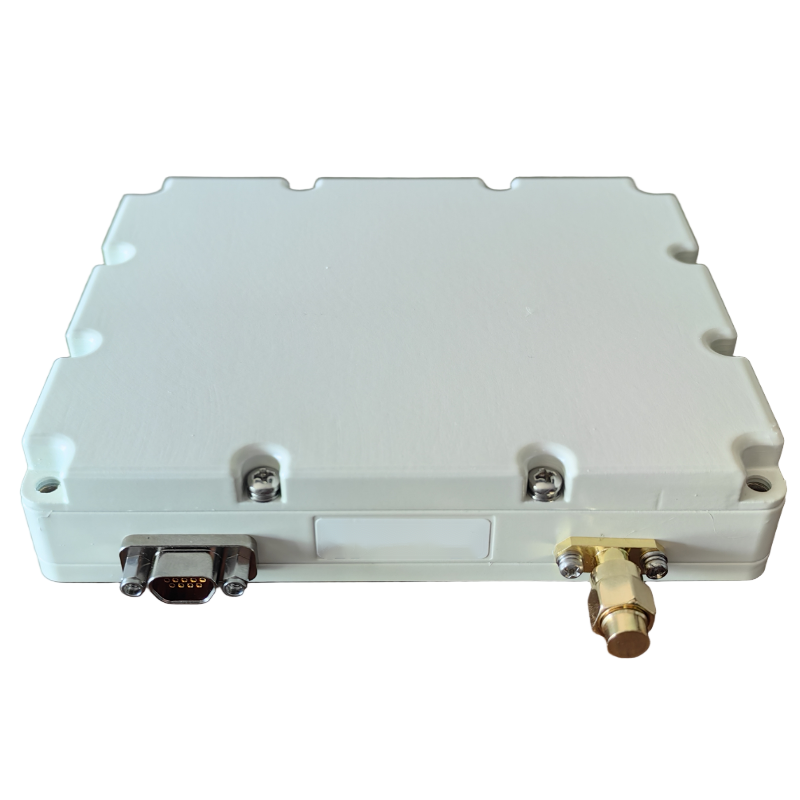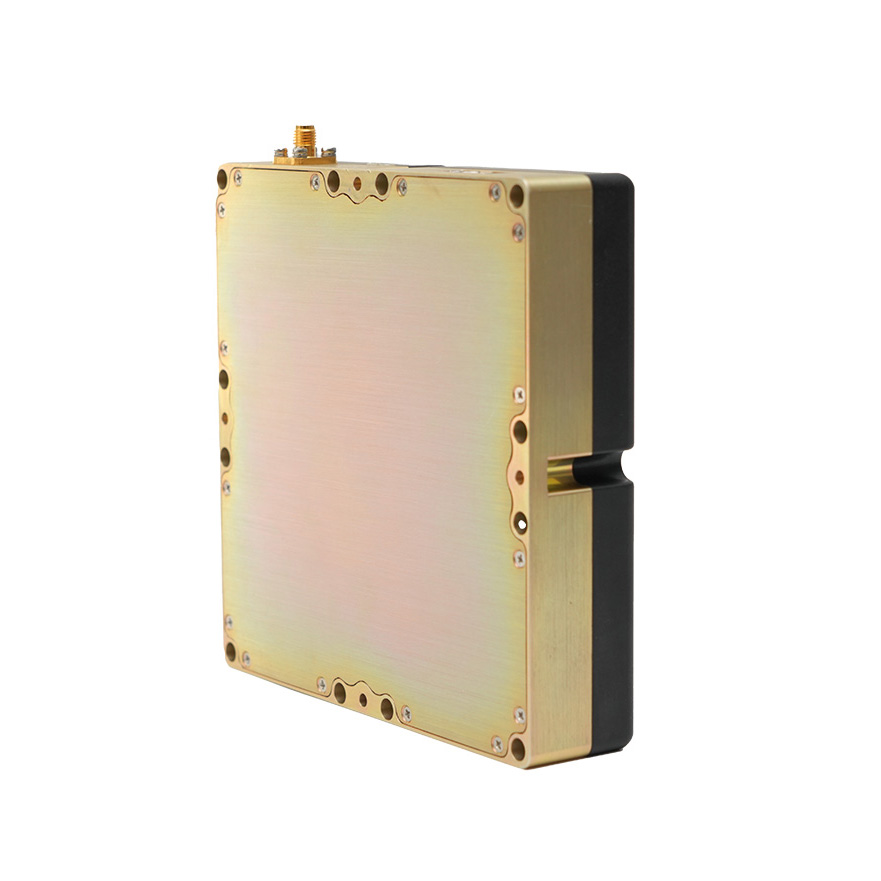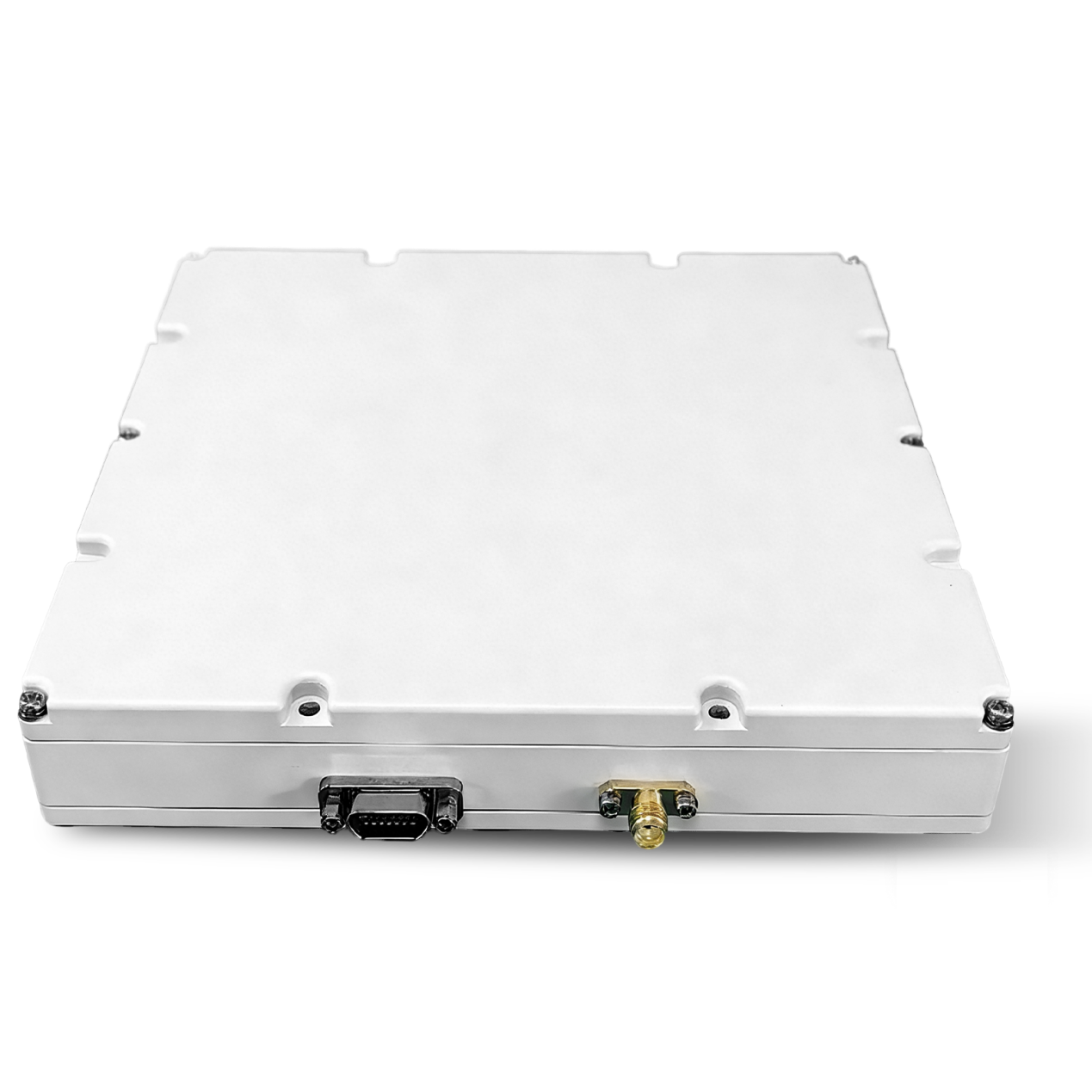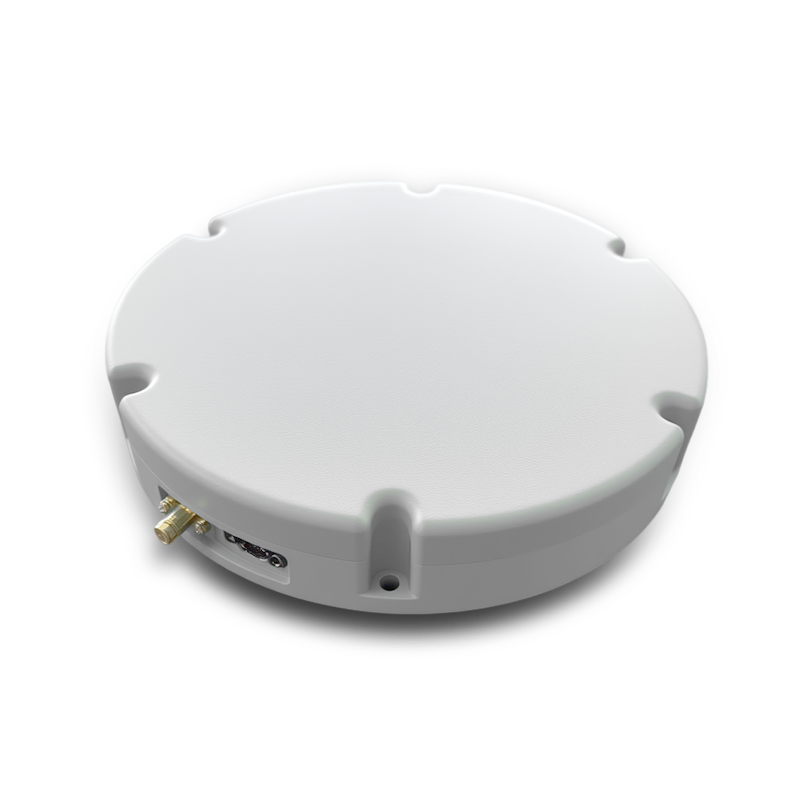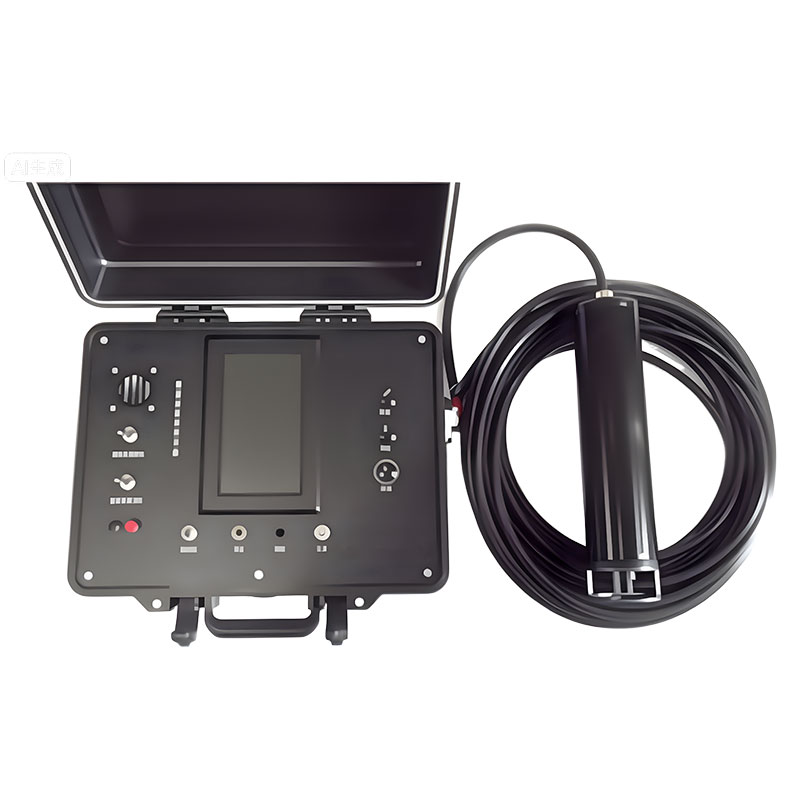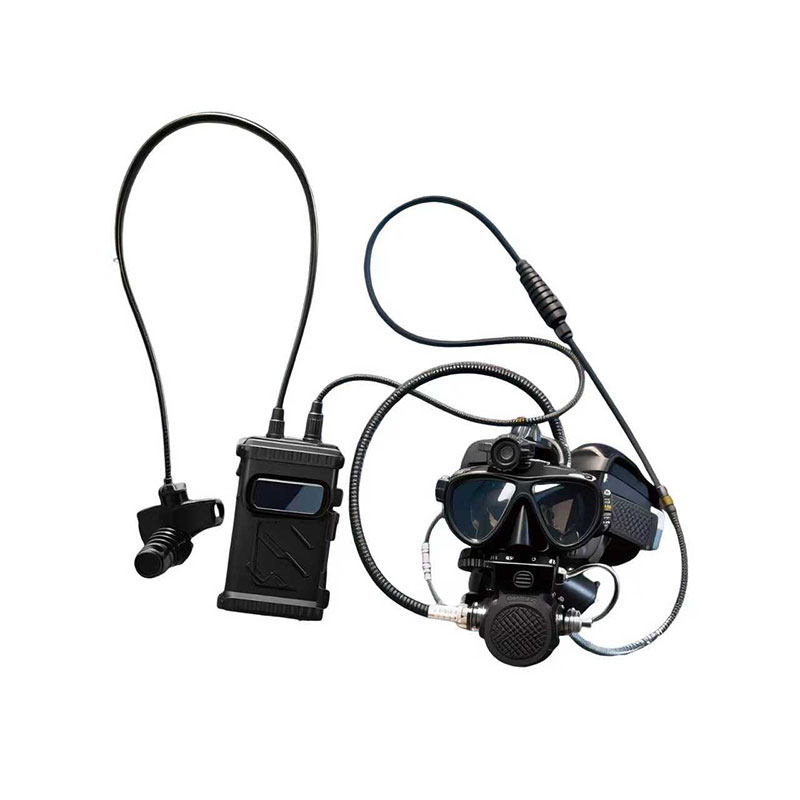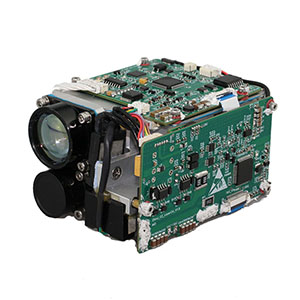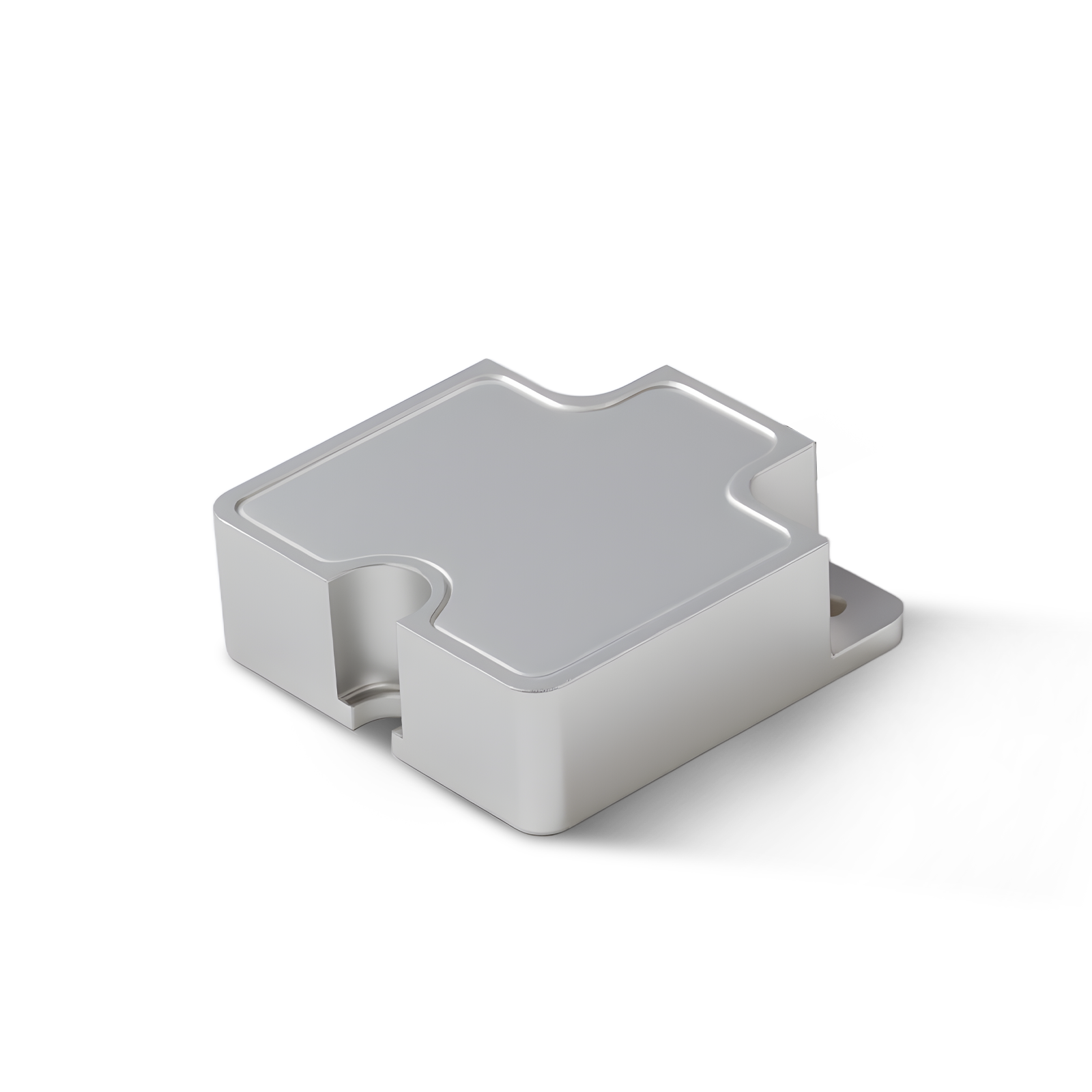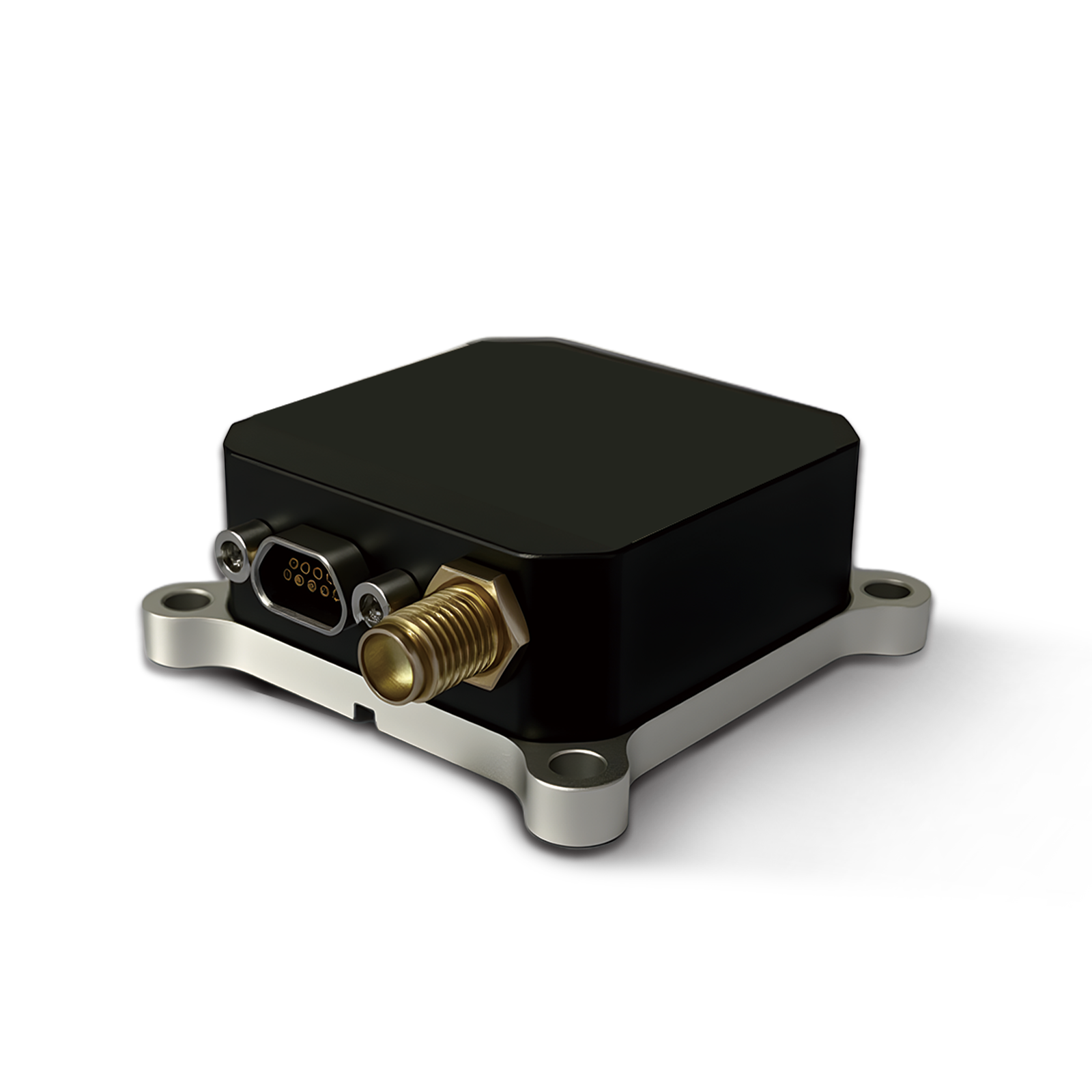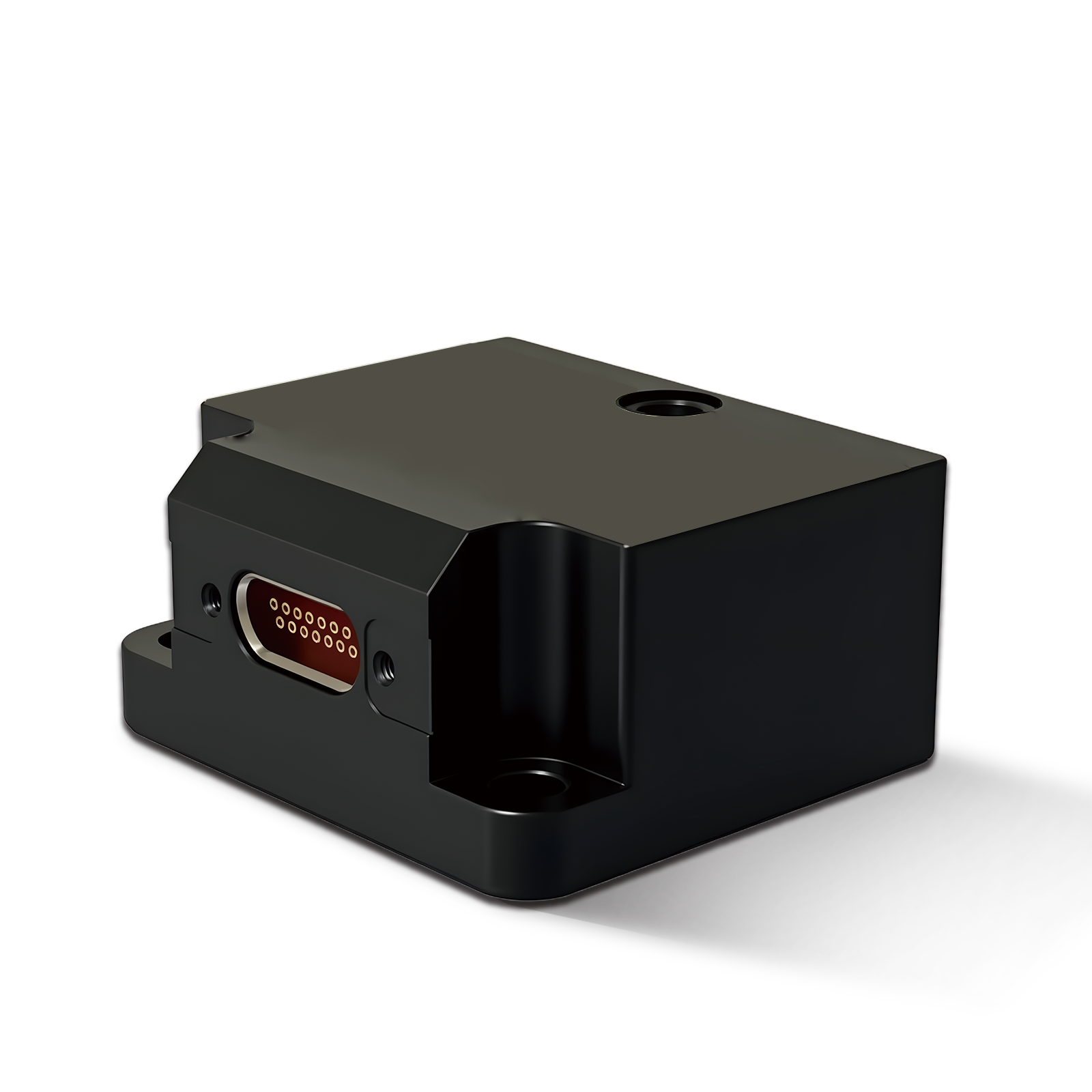
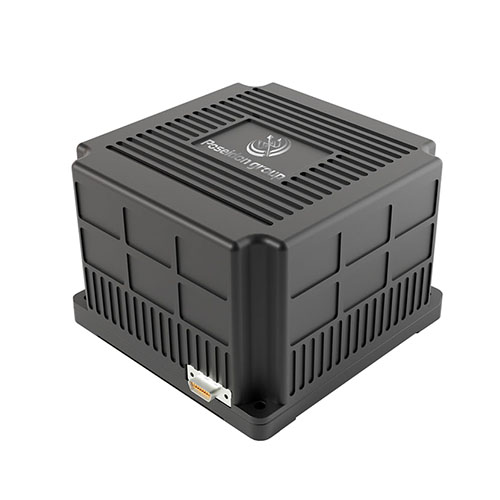
In the rapidly changing world of technology today, really knocking it out of the park with a solid Gyroscope Guidance System is more important than ever for industries around the globe. Experts like Dr. Emily Carter, who’s pretty much a big name in aerospace engineering, like to say, “The future of navigation depends heavily on the accuracy of gyroscope systems.” It’s a reminder of just how crucial it is to develop systems that aren’t just fancy but also dependable.
As companies gear up for global sourcing later in 2026, the need for top-notch Gyroscope Guidance Systems is only going to grow. These systems are super important across different fields—think aviation and autonomous cars. In fact, having precise and accurate guidance isn’t just nice to have anymore; it’s a must. That said, the industry still faces some hurdles—things like integrating new tech smoothly and keeping costs in check. Plenty of systems out there claim to be the best, but not all can really deliver consistent results.
Moving forward, the development of Gyroscope Guidance Systems has to consider real-world messiness—that unpredictable stuff that happens outside the lab. Companies really should take a step back and think about what their customers actually need. The goal? To make these systems more reliable and boost user trust. Like Dr. Carter points out, if the tech isn’t dependable, then it’s pretty much doomed. Building the best Gyroscope Guidance System is gonna take teamwork, fresh ideas, and a pretty open mind for change—that’s the way to make real progress.
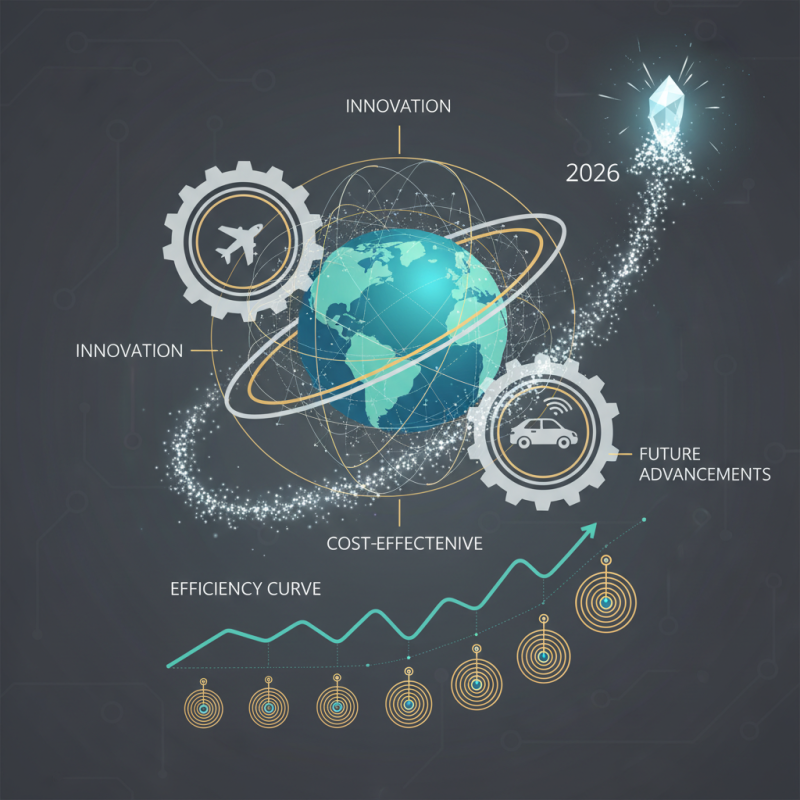
The gyroscope guidance systems of 2026 reflect significant advancements in navigation technology. Engineers are focusing on improving accuracy and reliability to support various applications. These systems offer enhanced stabilization and direction-finding capabilities critical for aerospace and marine sectors. Various methods of sensor integration enhance performance, but many systems require ongoing fine-tuning and calibration.
Challenges remain. Developers face issues with environmental influences affecting gyroscope accuracy. For example, temperature changes can lead to deviations in readings. In high-speed scenarios, maintaining precision becomes complex. These factors call for continuous research and development. Ensuring robust solutions means understanding these limitations and innovating accordingly.
Future trends suggest an evolution in software algorithms to mitigate these issues. The integration of artificial intelligence will play a role, adapting systems to real-time conditions. Overall, the gyroscope guidance systems of 2026 are pivotal yet imperfect, reflecting both progress and the need for ongoing improvement.
This chart displays the performance of various gyroscope guidance systems based on accuracy, stability, and responsiveness ratings in 2026. Each system has been evaluated on a scale from 1 to 10, with higher values indicating better performance.
The gyroscope market is evolving rapidly, driven by technological advancements and increasing demand across various sectors. Key trends are shaping the future of gyroscope systems, particularly the
Ins Guidance System. These systems enhance navigation accuracy in aerospace, automotive, and consumer electronics.
The integration of AI and machine learning is adding significant value, providing better data processing and analysis.
As precision becomes essential, manufacturers focus on miniaturization and cost-effectiveness. This shift not only boosts performance but also makes gyroscope systems accessible for smaller applications. Enhanced sensitivity and stability are vital in applications such as drones and robotics.
However, there are challenges to consider. The market is increasingly competitive, creating pressure on pricing and innovation.
Tips: Always assess your specific needs before selecting a gyroscope system. Understand the environmental conditions in which it will operate. Moreover, consider potential future upgrades. The right choice can save costs and enhance functionality in the long run.
Stay informed on emerging technologies and trends to remain competitive. Investing time in research pays off, ensuring you choose the most suitable Ins Guidance System for your requirements.
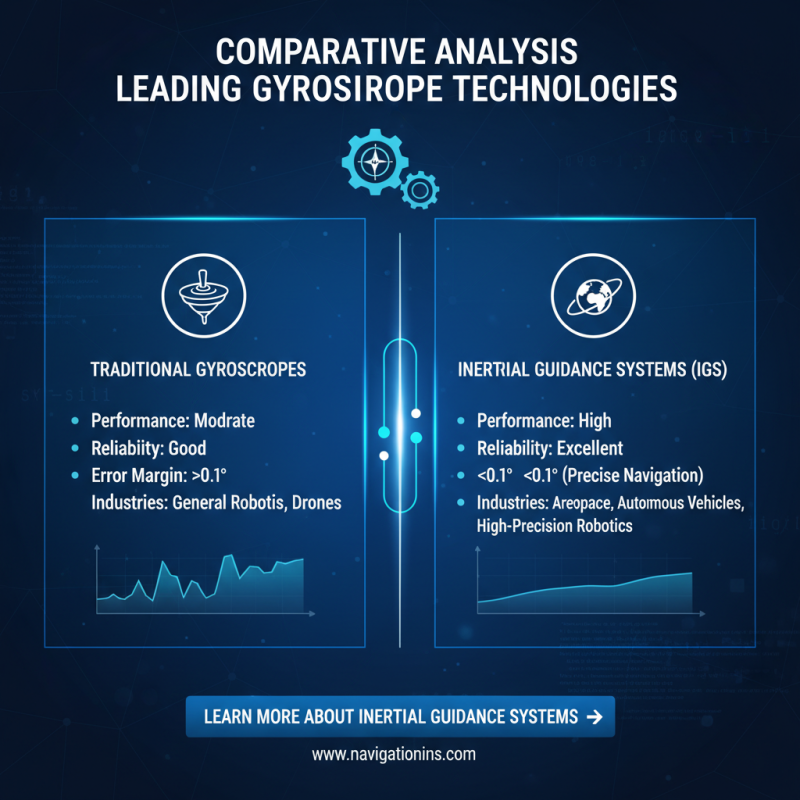
The gyroscope guidance system is essential for various industries, including aerospace and robotics. A comparative analysis of leading gyroscope technologies reveals significant differences in performance and reliability. According to a recent industry report, Inertial Guidance Systems have shown an error margin of less than 0.1 degrees, which is crucial for precise navigation.
Different gyroscope technologies have varying pros and cons. Micro-Electro-Mechanical Systems (MEMS) gyroscopes are compact and cost-effective, but they may lack the accuracy of fiber-optic gyroscopes. A study indicated that fiber-optic models offer superior stability in challenging environments. However, they come with a higher price tag, which can limit their accessibility.
The market for gyroscope guidance systems has expanded rapidly. It's projected to reach $6 billion by 2026. Companies face the dilemma of choosing between cost and performance. The choice often hinges on specific needs. As technologies advance, ongoing evaluations are necessary for informed decisions. Understanding these dynamics is vital for optimizing applications and ensuring robust performance in critical systems.
Gyroscopes play a critical role in various industries. Their applications range from aerospace to automotive, providing precise orientation and stability. In the aerospace sector, gyroscopes enhance navigation systems. Reports indicate that the aerospace gyro market could reach $5 billion by 2026. This growth is driven by advancements in technology and increased air traffic.
In automotive applications, gyroscopes are essential for stability control and safety systems. They help vehicles maintain balance during sharp turns. Recent studies suggest that approximately 70% of modern vehicles now integrate gyroscopic sensors. This integration helps reduce accidents and improve driver safety.
**Tip:** When considering gyroscopic systems, ensure compatibility with your existing navigation technology. Not all gyroscopes work seamlessly with every system.
In robotics, gyroscopes allow for better motion control and accuracy. As industries increasingly adopt automation, demand for advanced gyroscopic technology will likely grow. The robotics sector is expected to see a CAGR of 10% over the next five years. However, selecting the right gyroscope can be challenging. Accuracy and precision must be evaluated against cost and application needs.
**Tip:** Thoroughly assess how a gyroscope performs in real-world scenarios. Lab conditions can often differ from actual use cases, impacting reliability.
The global procurement landscape for gyroscope systems is evolving rapidly. According to a report by MarketsandMarkets, the gyroscope market is projected to reach $9.9 billion by 2026. A key factor influencing this growth is the increasing demand for precision and stability in navigation systems across industries, including aerospace, automotive, and defense.
In recent years, companies have been adopting various strategies to enhance their procurement processes. Data from Deloitte suggests that over 70% of firms prioritize integrating advanced analytics into sourcing. This trend allows organizations to identify cost-saving opportunities and mitigate risks effectively. The shift towards data-driven decision-making also emphasizes the importance of supplier relationships. Building strong partnerships can ensure better quality and consistency in procurement.
However, challenges persist. Many organizations struggle with the ever-changing regulatory environments and varying global standards. Procurement professionals must stay informed about industry trends and technological advancements. Continuous learning and adaptation are essential. According to a McKinsey report, nearly 60% of procurement leaders acknowledge the need to improve their strategic sourcing capabilities. This indicates a significant opportunity for growth and optimization in the gyroscope systems market.
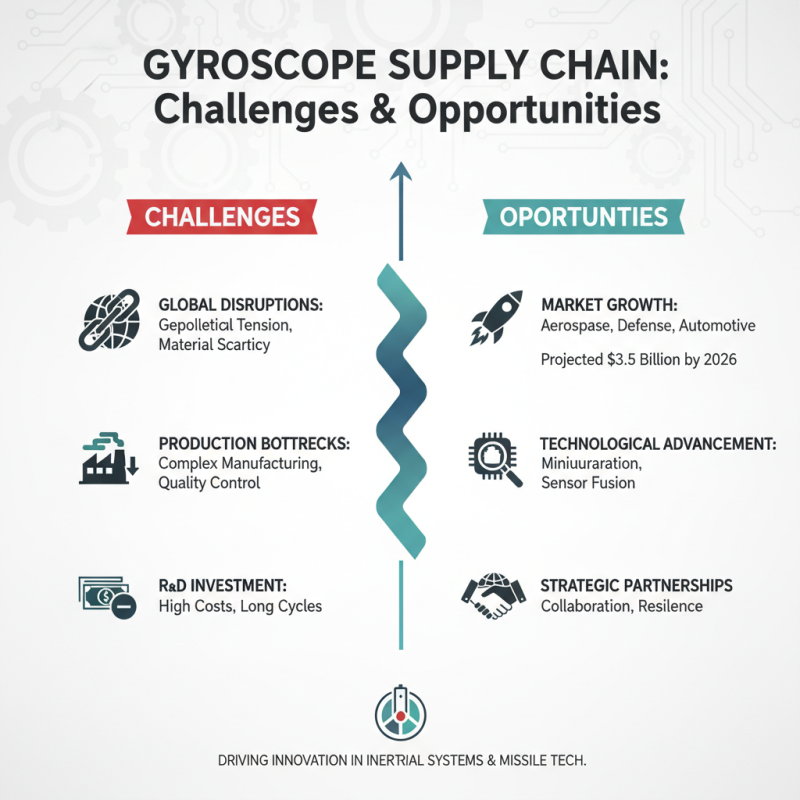
The gyroscope supply chain faces significant challenges that impact the industry. Global demand for advanced gyroscopic systems is increasing, particularly in aerospace and defense sectors. According to a recent market report, the gyroscope market is expected to reach $3.5 billion by 2026, driven by applications in inertial guidance systems and missile technology.
However, the supply chain for gyroscopes is not without its hurdles. Geopolitical tensions disrupt sourcing of critical materials. Various regions experience shortages of essential components, leading to delays in production. In 2022, suppliers reported a 30% increase in lead times for critical gyroscope technologies. These issues shine a light on the need for companies to diversify their supply sources.
Companies in the field must also adapt to rapid technological changes. The push for miniaturization and higher accuracy demands constant innovation. Research indicates that 70% of manufacturers are re-evaluating their production processes to stay competitive. This adaptability presents both challenges and opportunities. Firms that can efficiently navigate the supply chain complexities may find themselves at the forefront of the inertial guidance system market.
The landscape of gyroscope guidance technologies is evolving rapidly. Innovations are emerging to enhance accuracy and reliability. These advancements are pivotal for various applications. Aviation, maritime, and automotive sectors all benefit from these improvements.
The shift towards more compact Inertial Guidance Navigation Systems is notable. These systems offer better integration into smaller platforms. Reduced weight and size can lead to more versatile applications. Yet, the challenge remains in maintaining performance levels. As systems become smaller, ensuring precision is critical.
Future research is focusing on sensor fusion techniques. Integrating data from multiple sensors could enhance stability and responsiveness. However, the complexity of these systems raises questions about fault tolerance. As technologies advance, engineers will need to address potential failures effectively. This balance between innovation and reliability is essential for the future.
| Model | Accuracy (°) | Stability Duration (hours) | Weight (kg) | Operating Temperature (°C) | Cost (USD) |
|---|---|---|---|---|---|
| Model A | 0.01 | 48 | 1.2 | -40 to 85 | 1500 |
| Model B | 0.02 | 50 | 1.5 | -20 to 70 | 1700 |
| Model C | 0.015 | 45 | 1.0 | -30 to 75 | 1600 |
: Key trends include advancements in technology and increased demand across various sectors, enhancing navigation accuracy.
AI and machine learning improve data processing and analysis, adding significant value to gyroscopic systems.
Miniaturization improves performance and makes systems accessible for smaller applications, leading to cost-effectiveness.
The market is competitive, putting pressure on pricing and innovation. This needs careful consideration.
Gyroscopes are crucial for stability control, helping vehicles maintain balance during sharp turns, which enhances safety.
Assess specific needs and environmental conditions. Ensure compatibility with existing navigation technology is also crucial.
The robotics sector is projected to grow at a CAGR of 10% due to rising automation demand.
Innovations focus on compact systems, sensor fusion techniques, and enhancing stability while maintaining performance levels.
Real-world performance may differ from lab conditions, impacting reliability; thus, thorough assessments are essential.
Engineers must balance innovation with reliability, addressing potential failures in complex new systems.
The article titled "2026 Best Gyroscope Guidance System for Global Procurement?" provides a comprehensive overview of gyroscope guidance systems, focusing on the key trends and technologies shaping the market in 2026. It highlights how advancements in gyroscope technologies are influencing various industries, including aerospace, automotive, and robotics, showcasing their critical applications in enhancing navigation and stability.
The analysis covers global procurement strategies for gyroscope systems, emphasizing the challenges and opportunities within the supply chain. Moreover, the article discusses potential future innovations that could further improve the functionality and efficiency of gyroscope guidance systems, making it essential reading for stakeholders looking to navigate the evolving landscape of this technology.