
Leave Your Message
0%

In today's fast-changing world of global business, Ins Positioning really matters for buyers trying to expand their brand’s reach. Companies like BrandX and Global Traders have nailed it by using smart strategies to boost their visibility. When they focus on genuine, targeted interactions, they find it easier to navigate the tricky waters of international markets.

A lot of businesses tend to overlook the subtleties of Ins Positioning. They get caught up chasing numbers instead of building real connections. For example, not understanding local cultures could mean missing out on some pretty good opportunities. Buyers need to step back and think about their approach—staying flexible and open to change as trends evolve. It’s all about a continuous process of learning and tweaking your tactics.

The tricky part isn’t just about creating content; it’s about making that content resonate with people from all sorts of backgrounds. Every market has its own quirks and preferences. So, Ins Positioning isn’t a one-and-done deal—it’s about constantly reviewing what works and what doesn’t. At the end of the day, it’s about building trust and strong relationships. When done right, this can turn followers into loyal customers who keep coming back.
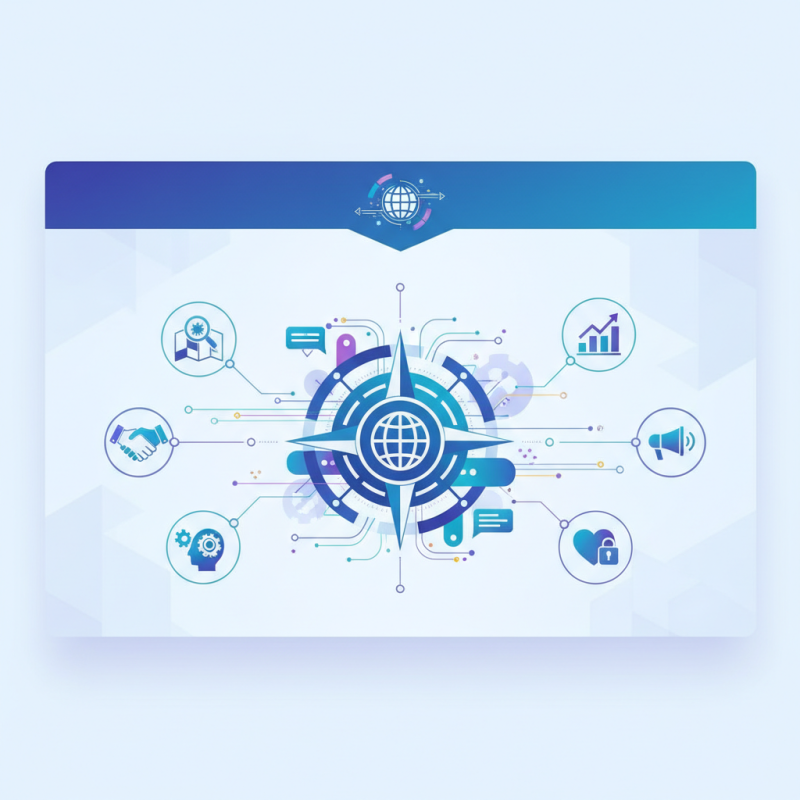
Effective Ins Positioning Tips for Global Buyers?

Understanding Effective Insurance Positioning for Global Buyers

Insurance positioning is crucial for global buyers navigating diverse markets. Effective Inertial Positioning allows companies to align their insurance strategies with local regulations and market needs. Each region presents unique challenges and opportunities. A tailored approach ensures that buyers meet legal requirements while effectively managing risks.

Understanding the local insurance landscape is essential. Global buyers should conduct thorough research. Knowing the preferred coverage types and regulatory frameworks in each market can enhance decision-making. Engaging with local experts can provide valuable insights. This collaboration mitigates potential pitfalls and enhances positioning strategies.

However, the complexity of international regulations can lead to missteps. Not all insurance products translate seamlessly across borders. Some buyers may overlook the nuances, resulting in inadequate coverage. Prioritizing a review of current policies can help identify gaps. Reflection on past experiences often reveals areas needing improvement, supporting stronger, more informed positioning in the future.

Identifying Key Insurance Markets and Opportunities Worldwide

Understanding key insurance markets is essential for global buyers. Each region presents unique opportunities and challenges. Buyers need to research local regulations and market dynamics. This process can reveal potential gaps in coverage or emerging trends worth exploring.

Engaging with local brokers can provide insights into the marketplace. They often know which carriers are reliable and which have stronger reputations. However, relying solely on brokers can be risky. It's critical to perform your own due diligence. Look for market reports and industry analyses to validate brokers' claims.

Emerging markets, such as Asia and Africa, are attracting attention. They often have underserved populations needing insurance. Consider special projects or partnerships to tap into these areas. Yet, entering a new market requires careful planning. Logistics and cultural differences can pose challenges. Every opportunity comes with uncertainties that require thorough evaluation.

Assessing Risks and Needs for Global Coverage Solutions

Effective Ins Positioning Tips for Global Buyers?

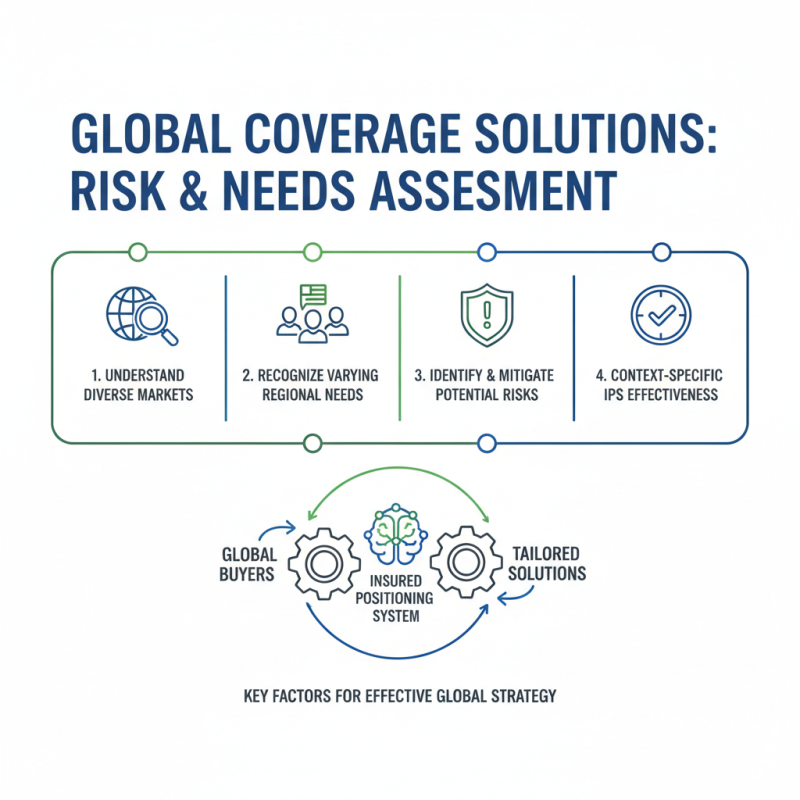
Assessing risks and needs for global coverage solutions requires a comprehensive understanding of diverse markets. Global buyers must recognize the varying requirements in different regions. Identifying potential risks can help tailor solutions effectively. The effectiveness of an Insured Positioning System should always be assessed in specific contexts.

In your assessment, consider how variations in regulations might affect coverage. Take the time to analyze local market conditions, as they differ widely. For instance, emerging markets may have unique compliance requirements. This can lead to gaps if overlooked. Understanding these factors will help build a robust strategy.

Tips for effective positioning include creating a checklist of regulatory needs. Delve into local laws and market dynamics. Engage local experts who can provide insights. It's essential to remain adaptable. Market conditions can be volatile and unpredictable. Sometimes, what worked in one region may not apply elsewhere. Keeping an agile mindset in utilizing the Inertial Positioning System is crucial for success in global operations.

Crafting a Targeted Insurance Strategy for Diverse Regions

Crafting a targeted insurance strategy for diverse regions requires a nuanced understanding of local needs. Each market presents unique risks and insurance requirements. For example, natural disasters might be more relevant in coastal areas, while cybersecurity threats loom larger in tech hubs. Global buyers must consider these nuances when designing their Ins System.

Regional regulations also play a crucial role. Knowing local compliance requirements is essential. Some countries have specific mandates for certain types of coverage, creating a complex landscape. Adapting strategies to meet these varied demands is vital. Missteps in understanding local markets can lead to significant financial repercussions.

Collaboration with local experts is invaluable. They can provide insights into cultural factors impacting insurance choices. A one-size-fits-all approach often falls short in diverse settings. Customizing insurance solutions leads to better risk management. The goal is a resilient Ins System that addresses specific regional challenges. This thoughtful approach can enhance trust and reliability among stakeholders.

Leveraging Technology and Data for Insurance Positioning

In today's rapidly changing insurance landscape, technology and data are pivotal for effective positioning. According to a McKinsey report, over 60% of insurance companies now leverage advanced analytics to better understand customer needs and trends. This statistic underscores the critical role of data in shaping market strategies.

Data-driven insights foster personalized offerings tailored to diverse consumer profiles. For example, insurers can analyze claims patterns to predict potential risks. Utilizing predictive modeling enhances underwriting accuracy, potentially reducing policyholder losses by up to 15%. Yet, many firms still struggle with integrating these technologies into their practices, often due to legacy systems.

Moreover, the rise of digital platforms allows insurers to reach global markets efficiently. However, while tech adoption is rising, a report from Deloitte revealed that nearly 40% of insurers have not fully optimized their data usage. This gap signifies an opportunity for companies to rethink their strategies. Effective positioning requires not just data collection but also a commitment to continuous improvement and adaptation.

Effective Ins Positioning Tips for Global Buyers

Tip Category Positioning Strategy Technology Utilized Data Analytics Application
Market Research Identify emerging trends AI-based analytics tools Predictive analytics
Customer Insights Enhance customer journey CRM systems Behavioral data analysis
Risk Assessment Refine underwriting process Big Data solutions Risk modeling and simulation
Personalization Tailored insurance products Machine learning algorithms Customer segmentation analysis
Operational Efficiency Automate claims processing Robotic Process Automation (RPA) Performance metric tracking

Building Relationships with Global Insurance Providers

Building strong relationships with global insurance providers is key for buyers. Trust and clear communication create a solid foundation. Approach insurers with transparency. Provide complete information about your needs. This fosters understanding and leads to tailored solutions.

Networking is crucial in this process. Attend industry conferences or webinars. Engage with potential partners on professional platforms. Building rapport takes time but often pays off. Personal connections can lead to more favorable terms and conditions. There’s strength in local knowledge. Understanding regional nuances can enhance negotiations.

Sometimes, challenges arise unexpectedly. Delays in communication can cause frustration. Misunderstandings about coverage may happen. It’s important to reflect on these moments. They present opportunities for growth. Each experience offers lessons on improving future interactions. Using tools like Gps And Ins data can enhance your decision-making process. This data helps in assessing risks accurately.

Monitoring Regulatory Changes and Compliance in Insurance Markets

Monitoring regulatory changes in insurance markets is essential for global buyers. Insurance regulations can vary significantly across regions. Understanding these differences can help mitigate risks and ensure compliance. Adapting to local rules may require substantial resources. Failing to comply can lead to hefty fines or loss of coverage.

It's vital to keep abreast of ongoing legislative shifts. Regular updates from regulatory bodies provide insight into potential changes. In some cases, these changes may be abrupt. For instance, sudden tax changes can affect policy pricing. Buyers need to be proactive in assessing these impacts on their coverage strategies.

Working with local experts can support compliance efforts. These professionals can guide buyers through intricate regulations. However, relying solely on external advice has drawbacks. Misinterpretation of rules can occur, leading to unintended consequences. Continuous education on market dynamics is key for effective positioning. It's about striking a balance between acting and reflecting on the evolving landscape.

FAQS

: What is essential for assessing risks in global coverage solutions?

: A comprehensive understanding of diverse markets and their unique needs is essential.

How can buyers identify potential risks?

By analyzing local market conditions and recognizing unique compliance requirements.

Why is monitoring regulatory changes important in insurance?

Regulations vary significantly across regions, affecting compliance and risk management.

What is a challenge many insurance firms face with technology?

Many struggle to integrate advanced technology due to legacy systems.

How can predictive modeling benefit insurers?

It enhances underwriting accuracy and could reduce policyholder losses.

What role does local expertise play in compliance?

Local experts can guide buyers through complex regulations and market dynamics.

Why should companies focus on data usage?

Optimizing data can significantly improve market strategies and customer offerings.

What are the risks of relying solely on external advice?

There is potential for misinterpretation of rules, leading to unintended consequences.

How can firms keep adaptable in changing markets?

By maintaining an agile mindset and continuously improving their strategies.

What can happen if buyers fail to comply with local regulations?

They may face hefty fines or loss of coverage.

Conclusion

Effective ins positioning for global buyers involves a comprehensive understanding of diverse insurance markets and the unique opportunities they present. By assessing specific risks and needs, buyers can tailor their insurance strategies to fit various regions, ensuring optimal coverage. Leveraging technology and data is essential in enhancing ins positioning, allowing for more informed decision-making and efficient risk management.

Building strong relationships with global insurance providers is crucial for navigating the complexities of international markets. Additionally, staying vigilant about regulatory changes and compliance across different territories helps buyers maintain effective ins positioning, ensuring their strategies remain aligned with evolving industry standards and market dynamics.


Sophie

Sophie

Sophie is a dedicated marketing professional at Poseidon, a pioneering company established in 2013, specializing in the independent research, design, and production of advanced technologies, including fiber optic gyroscopes (FOG), inertial navigation systems (INS), and autonomous driving systems.......
Previous How to Choose the Best Optical Fiber Gyroscope for Your Needs?