
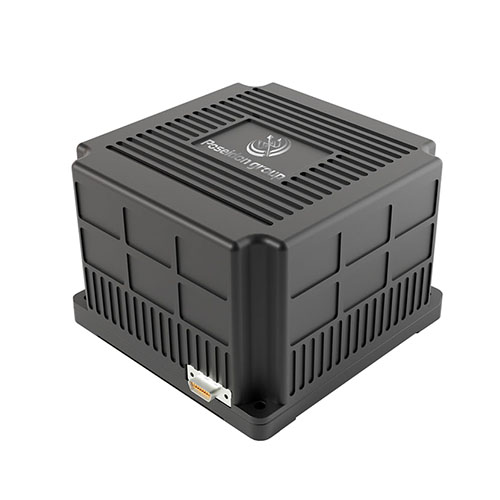
 TBSD60
 BSD120
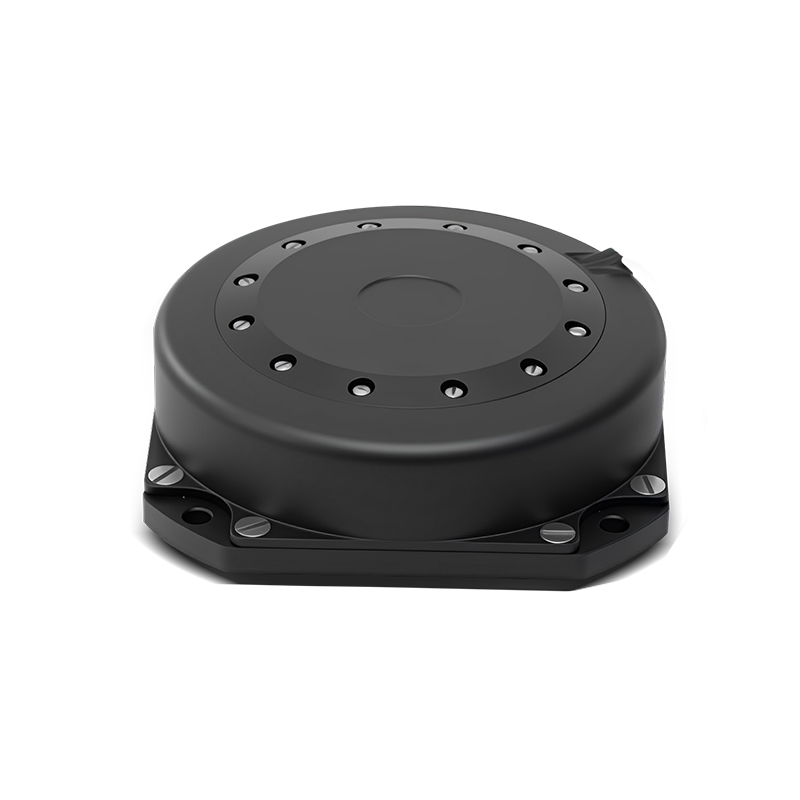 BSD98
BSD98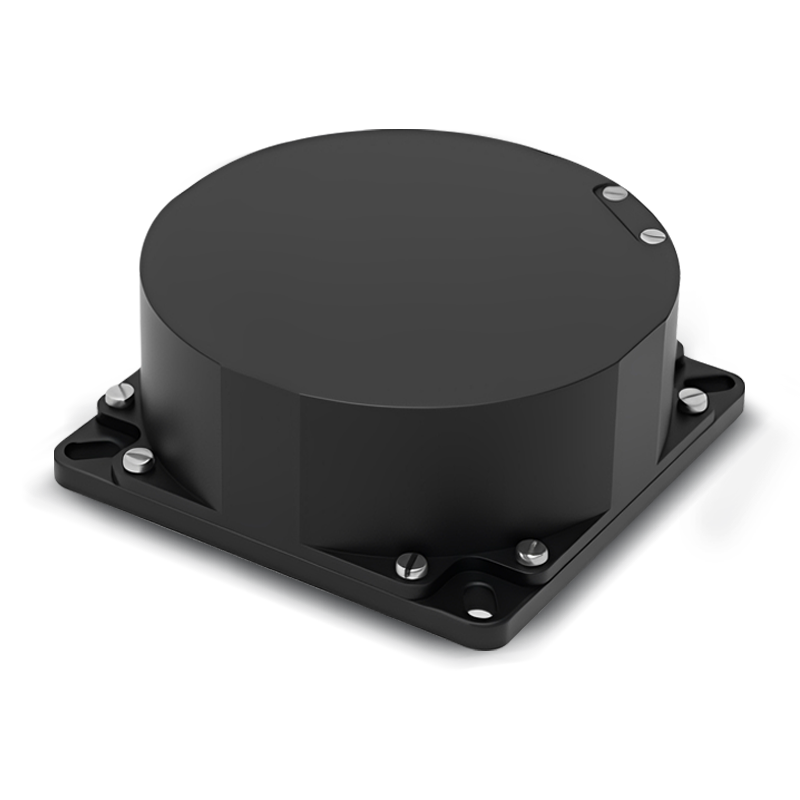 BSD70
BSD70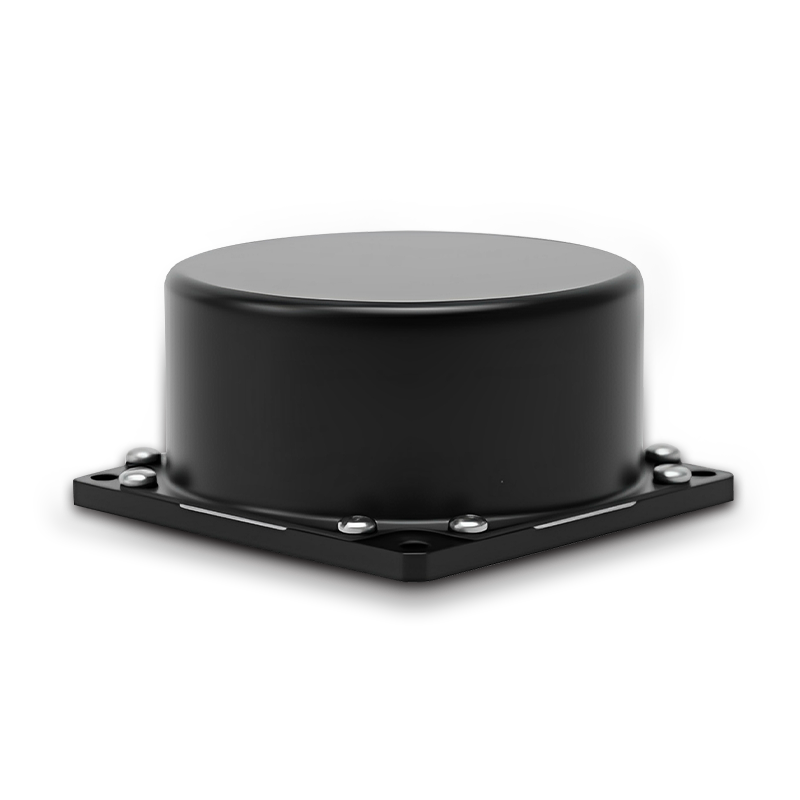 BSD60
BSD60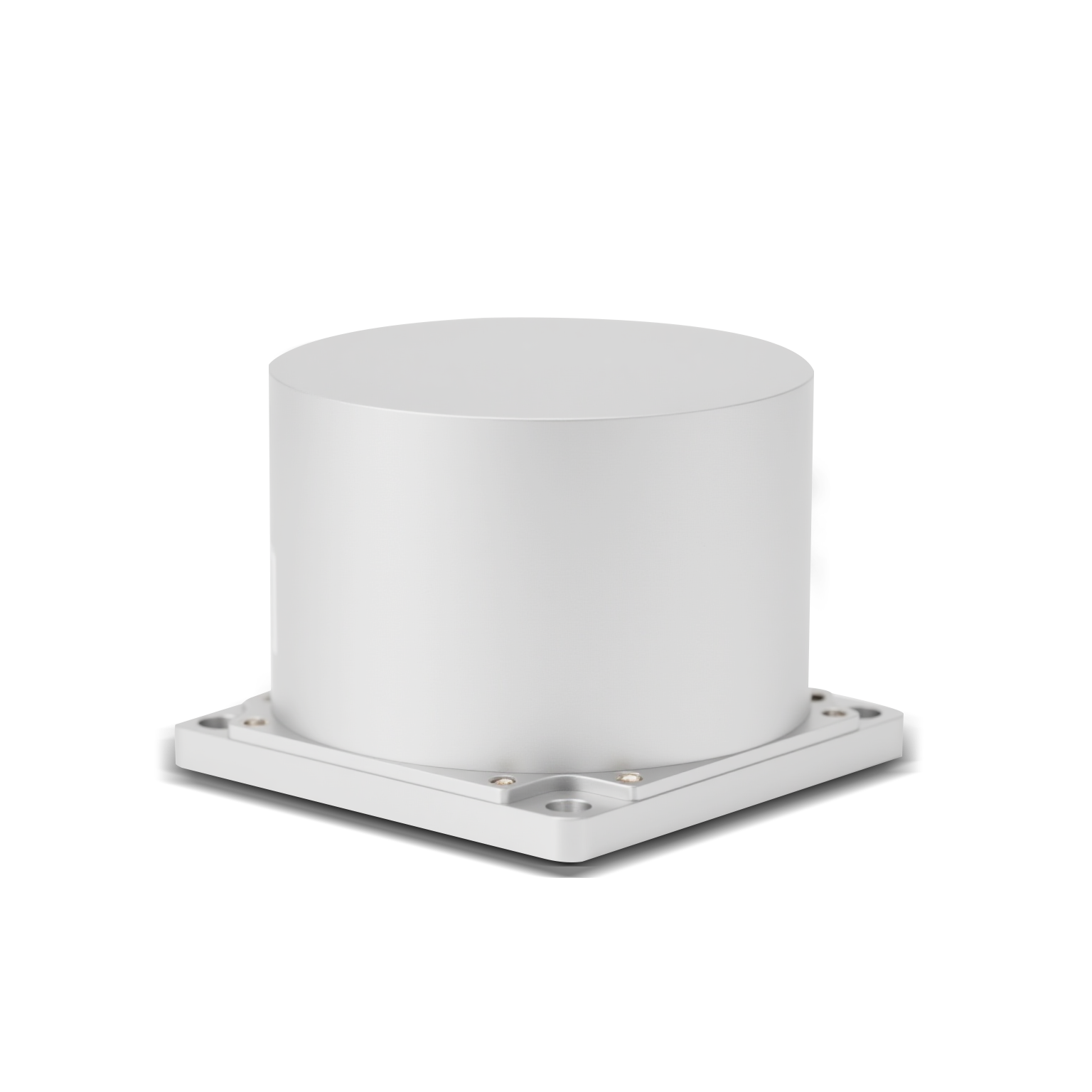 BSD50
BSD50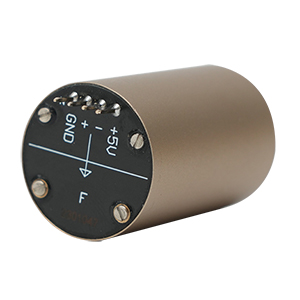 BSD217
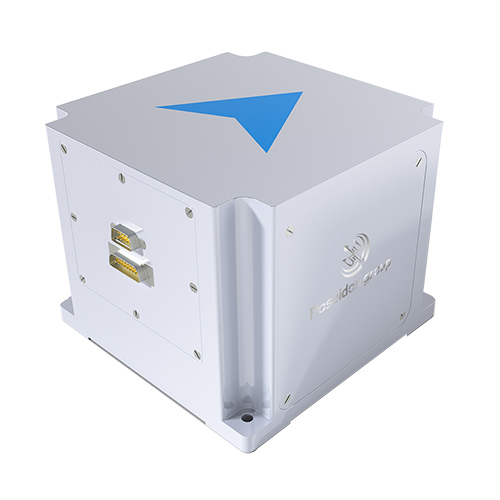 INS1700
 INS970
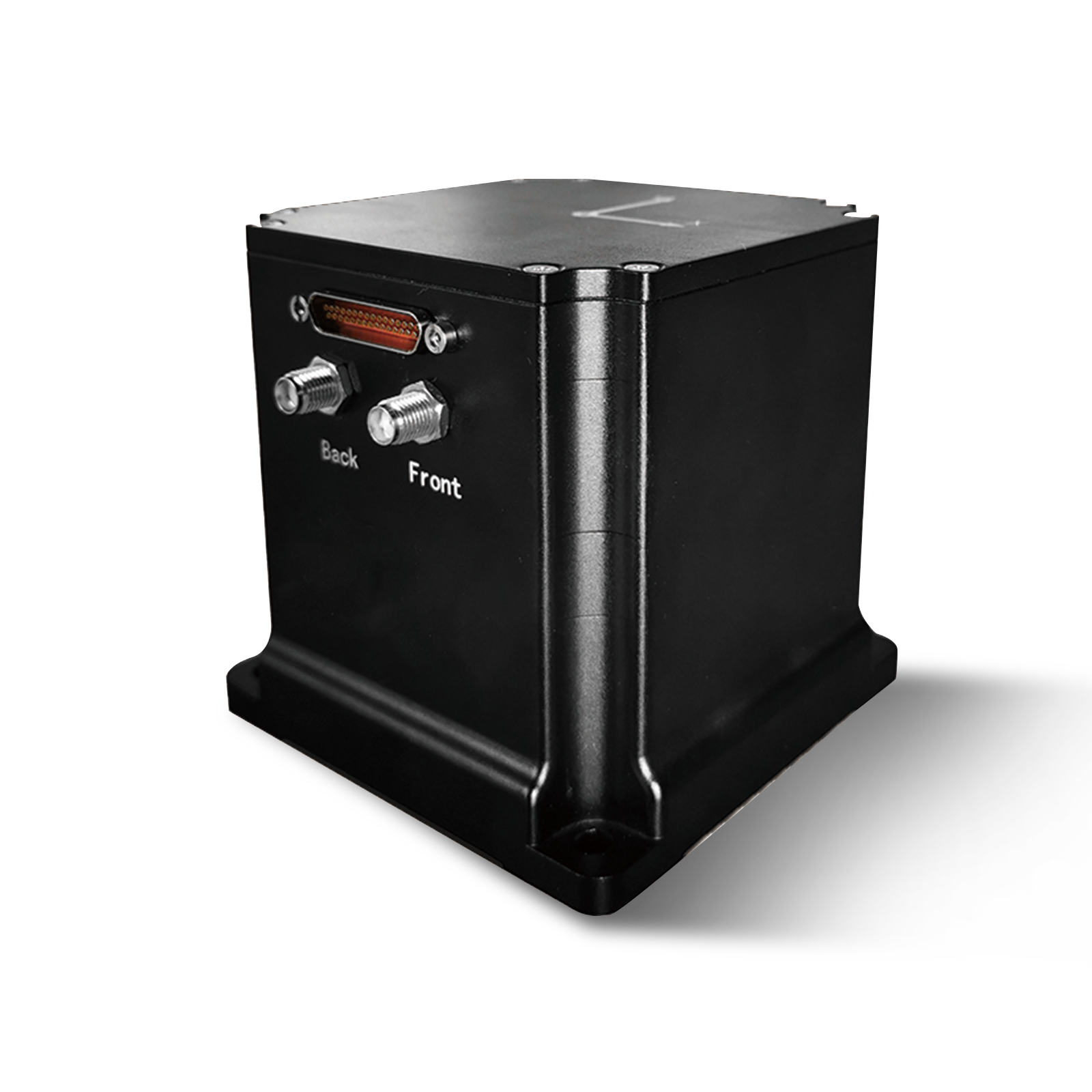 INS570
 INS170
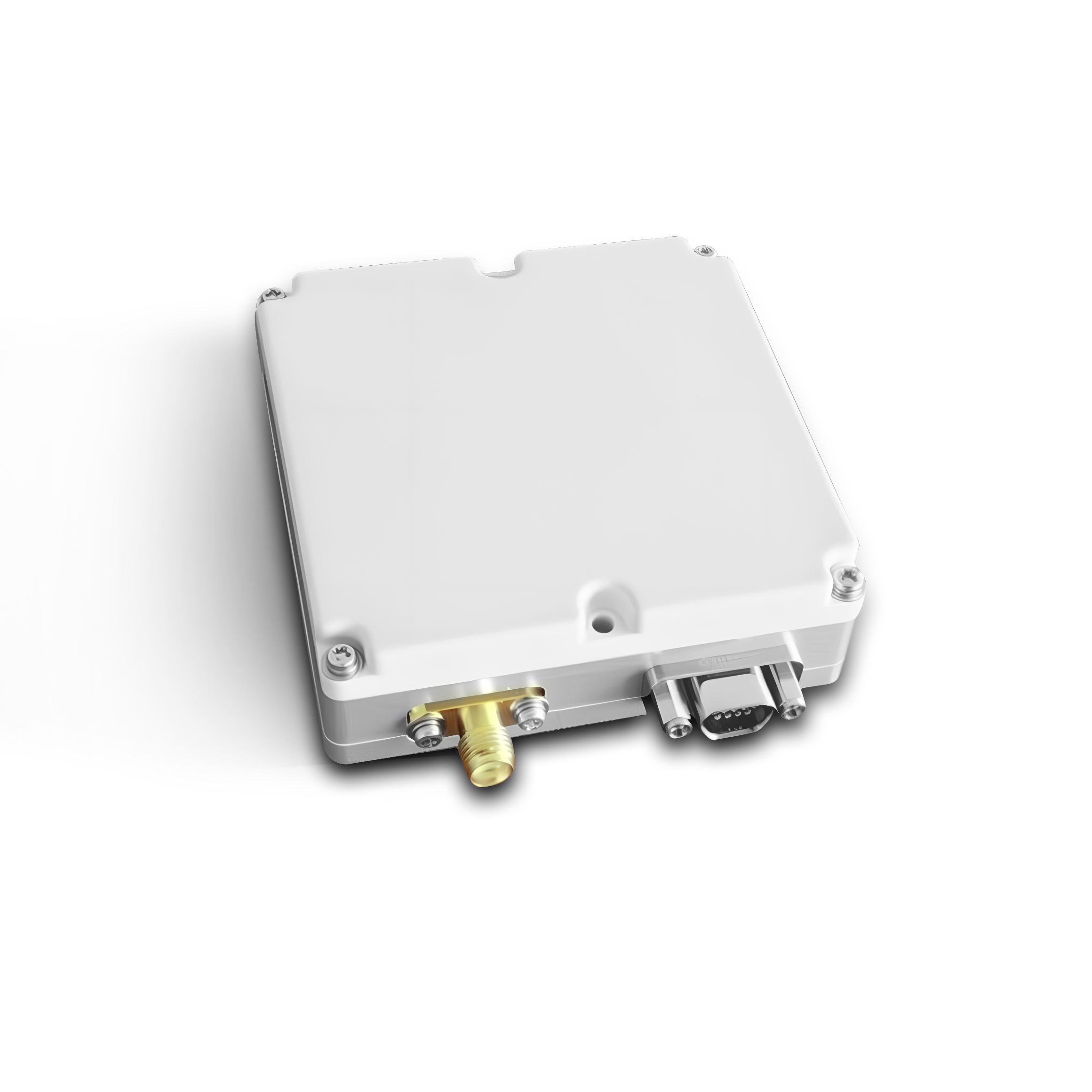 SLA-4B1L1-65
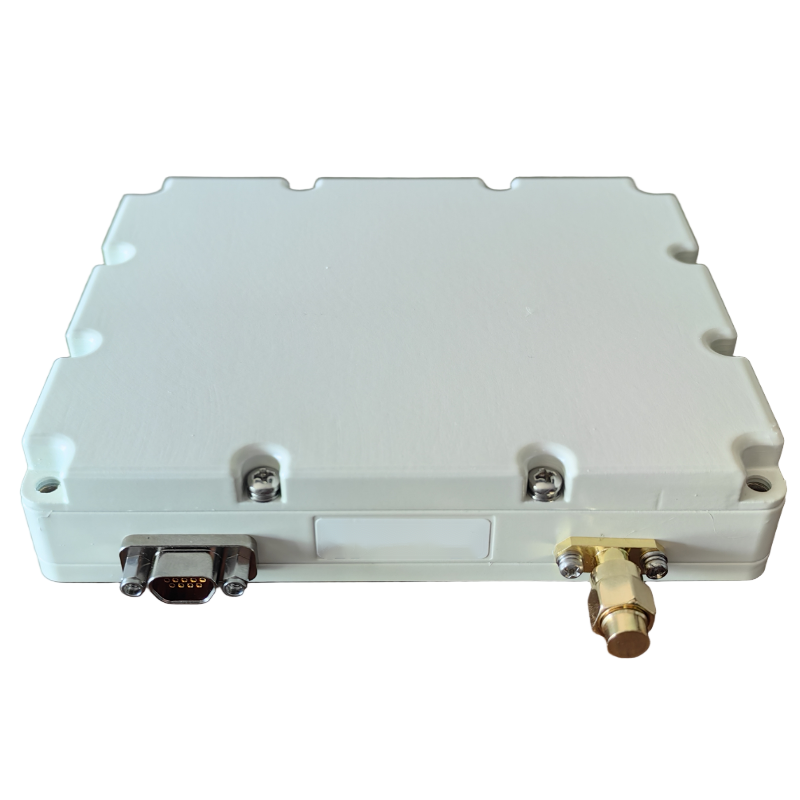 SLA-8B1L1-110
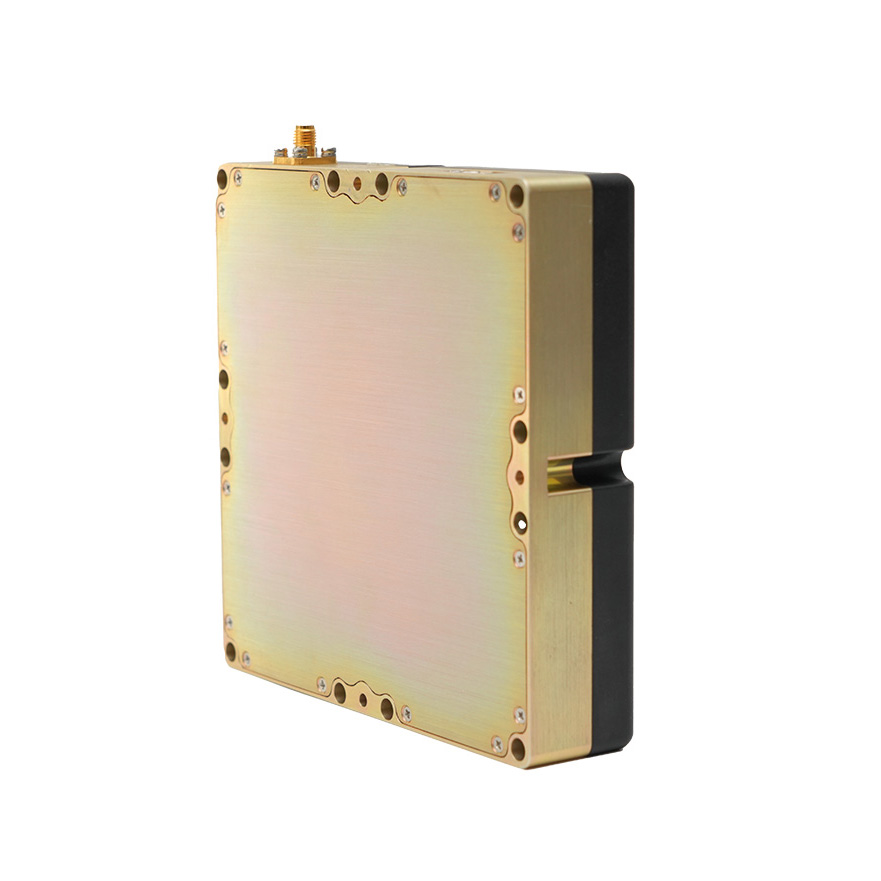 SLA-4B1L1-130
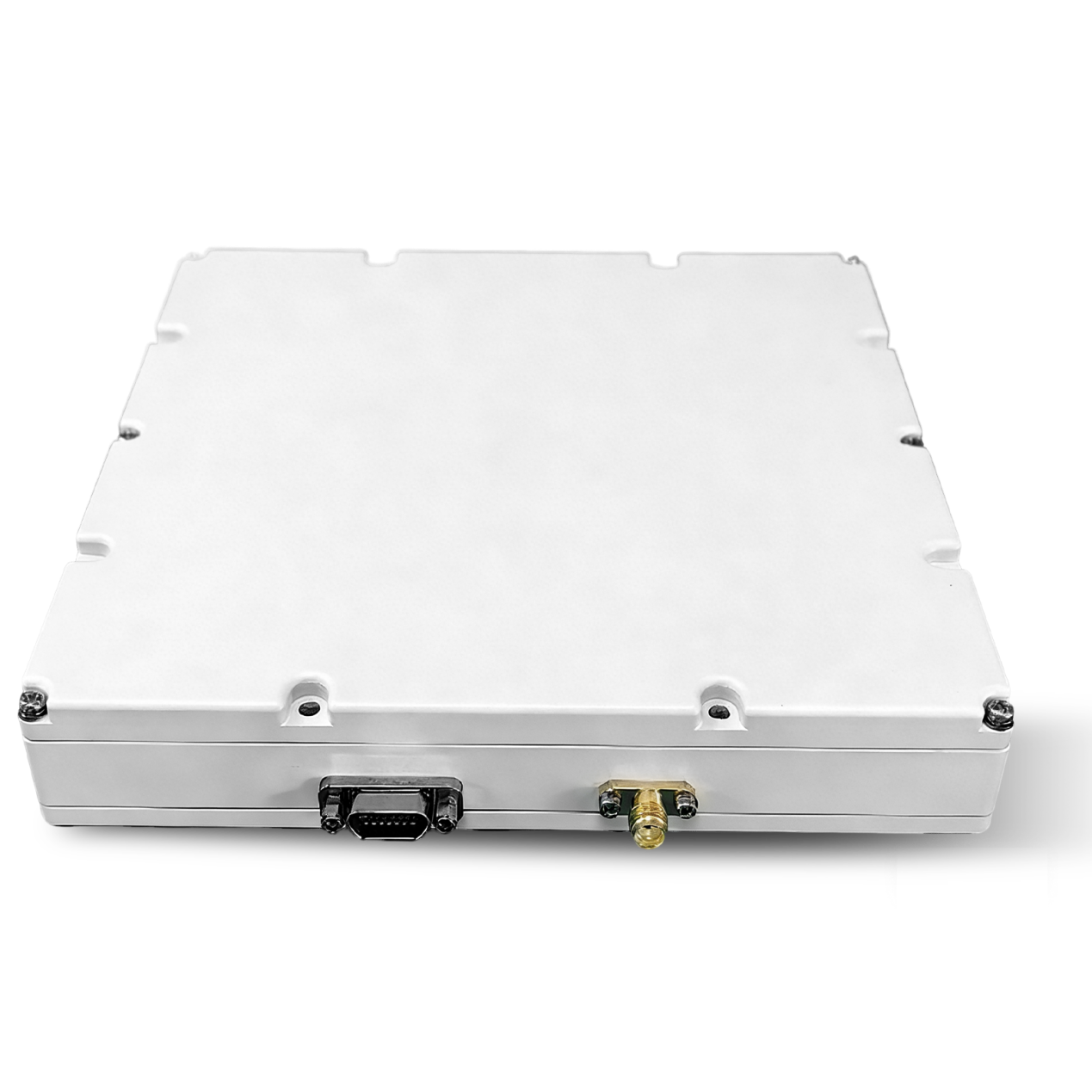 SLA-16B1L1-160
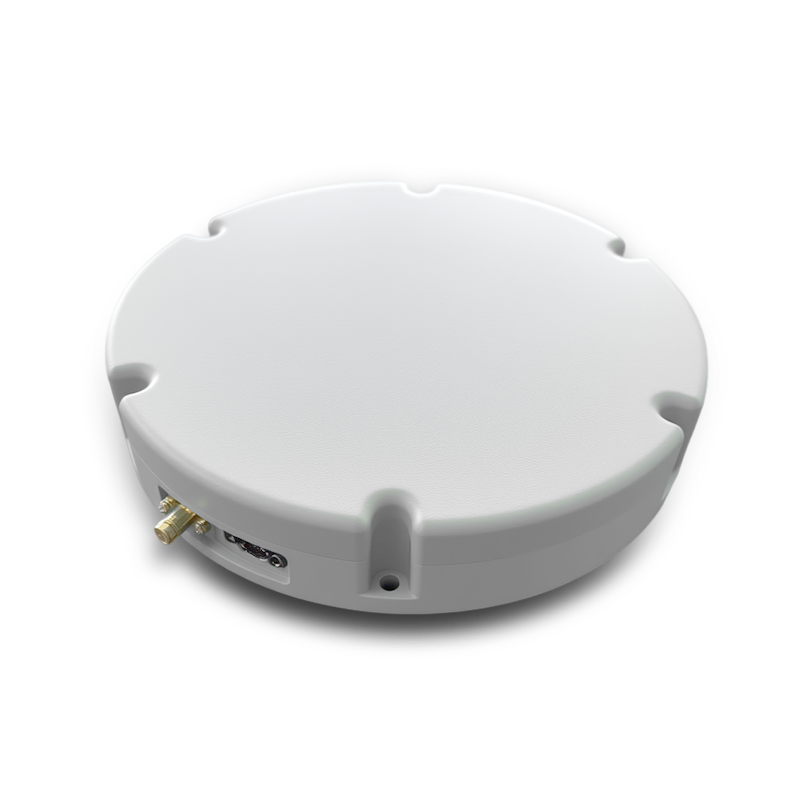 SLA-8B1L1-165
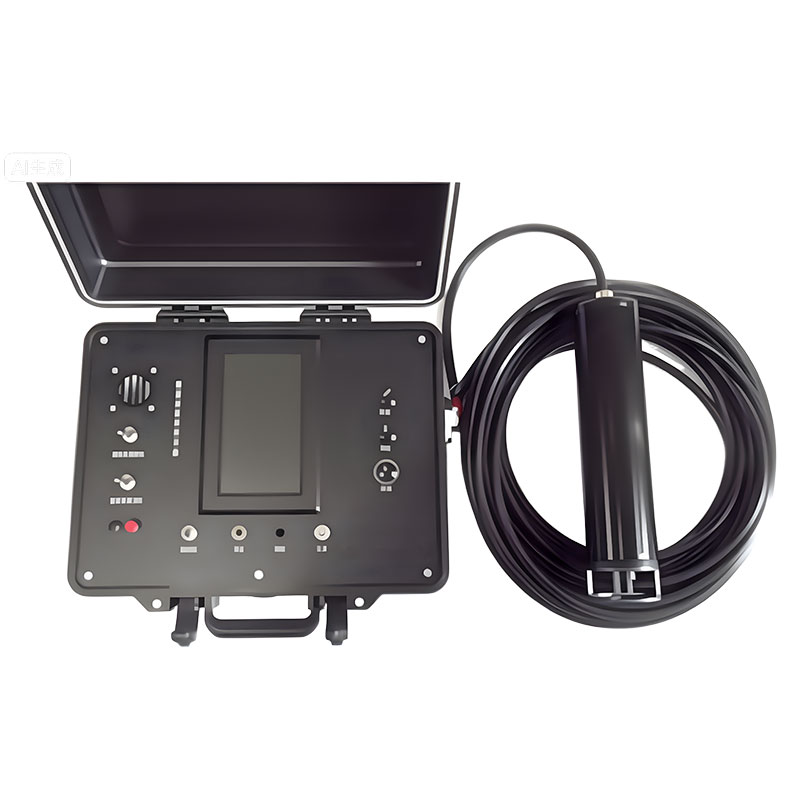 101 Vessel-mounted Positioning
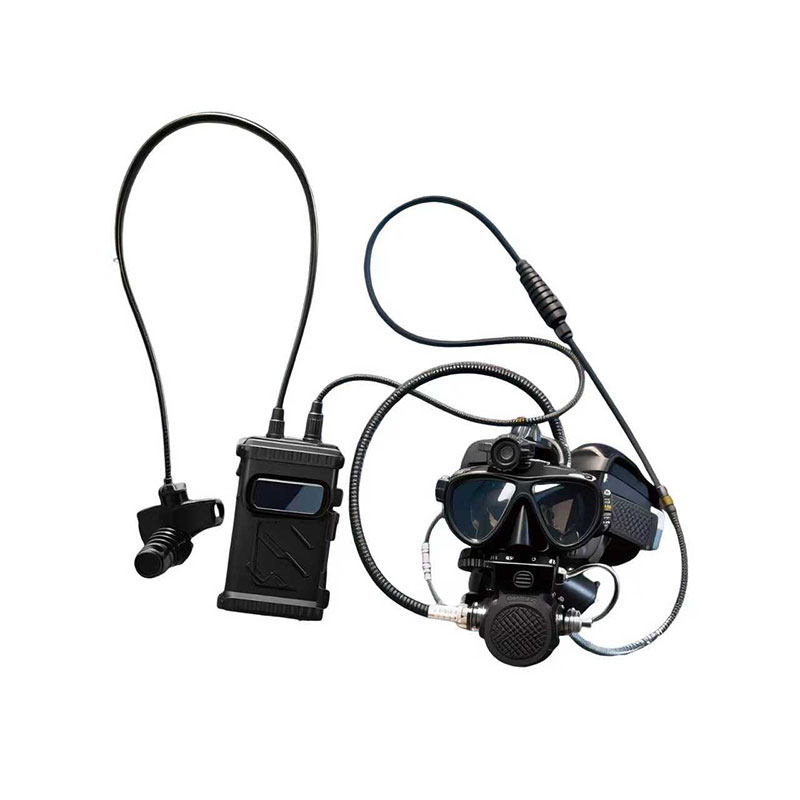 102 Acoustic Communication
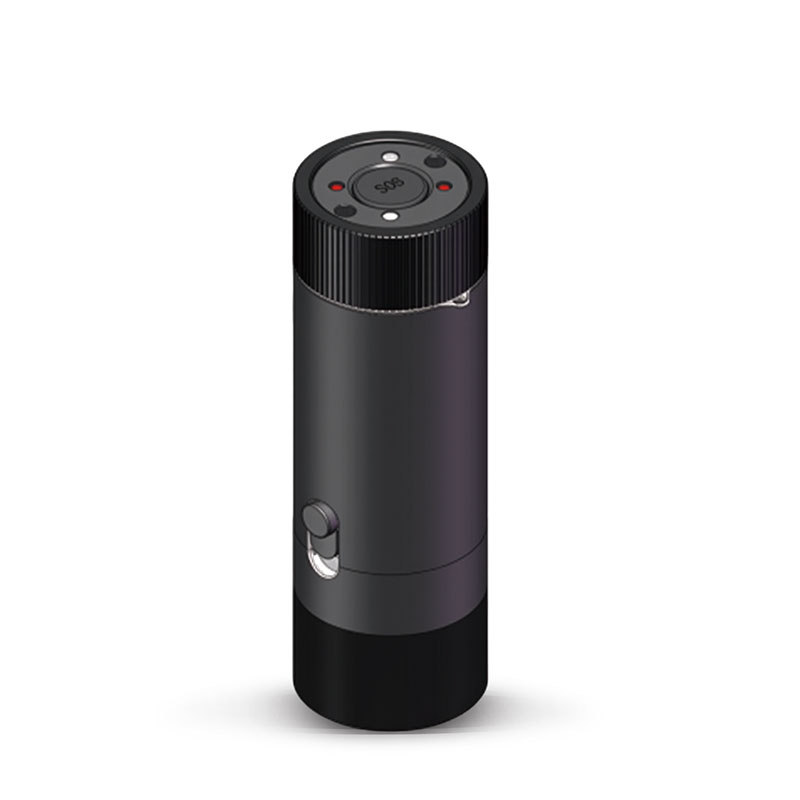 103 Tracking and Locating
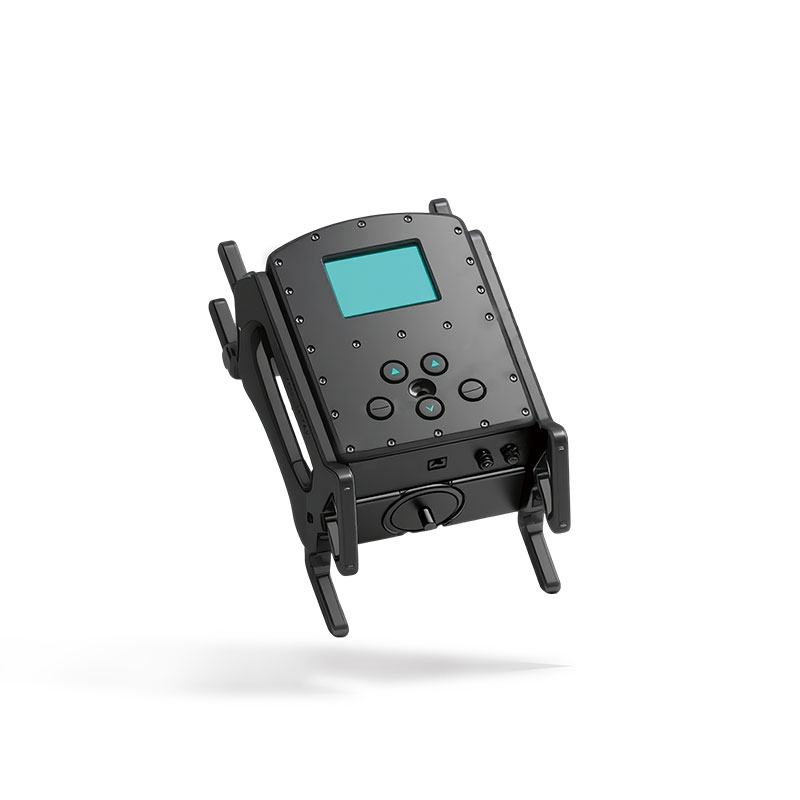 104 Diver Navigation System
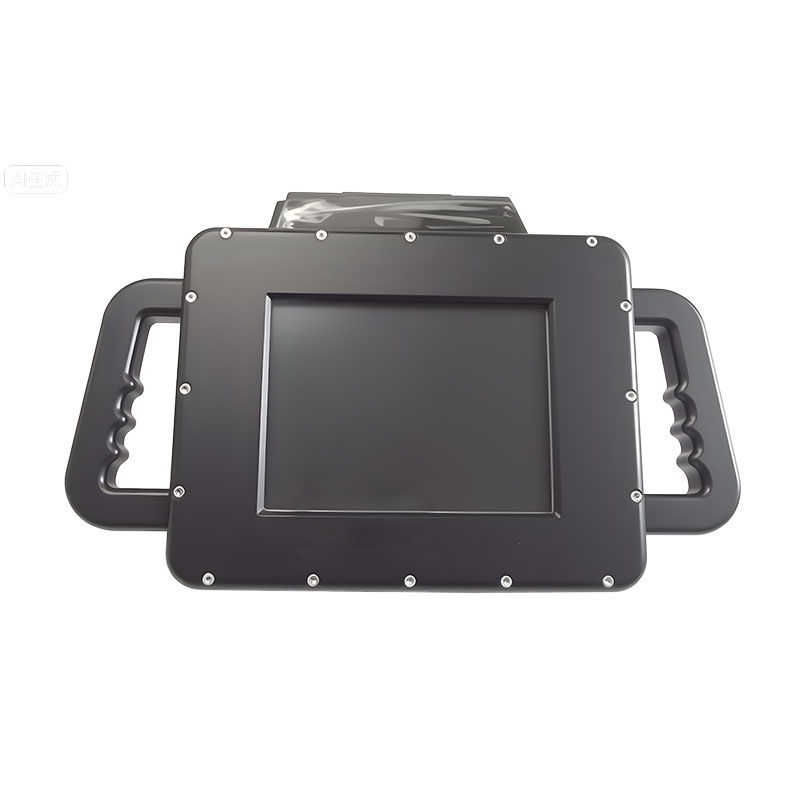 105 Intrusion Detection Sonar
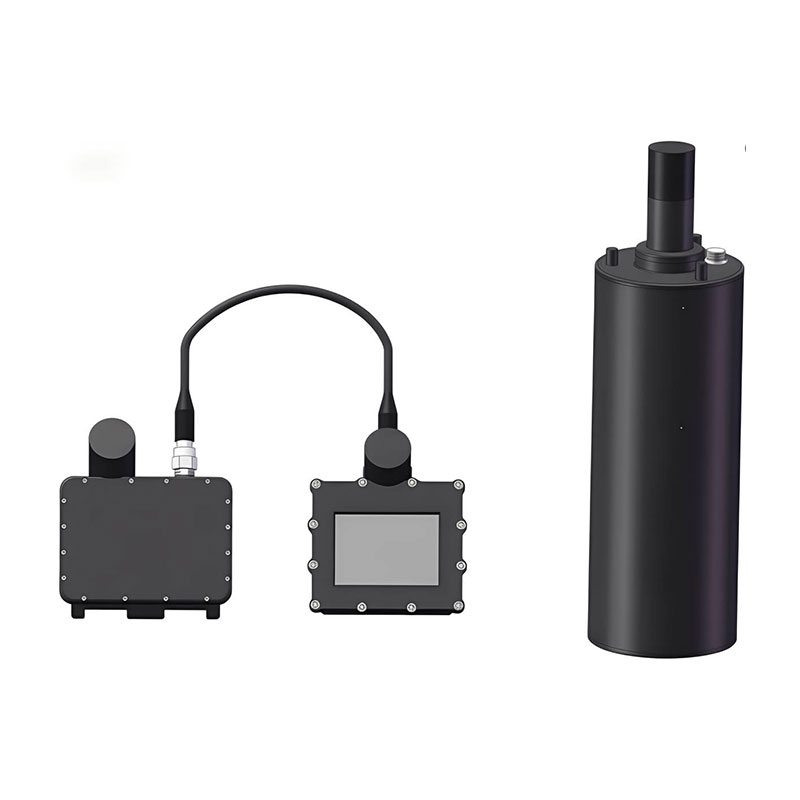 106 Delivery Locator Beacon
 SLLR3000
 SLLR905
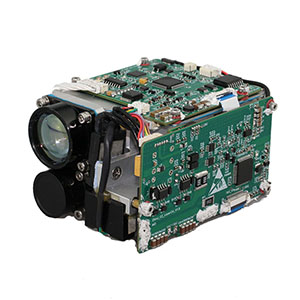 SLLD25
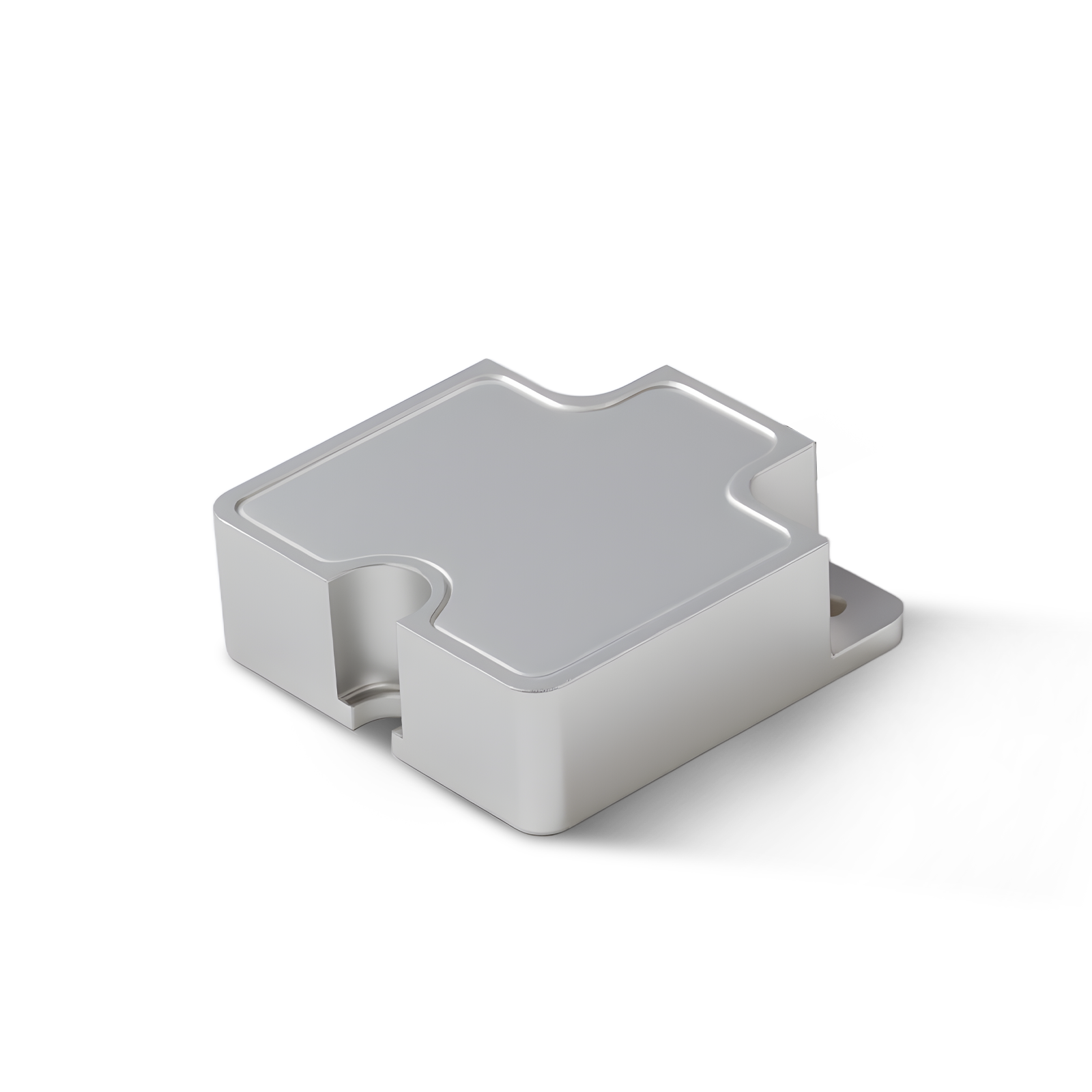 108IMU
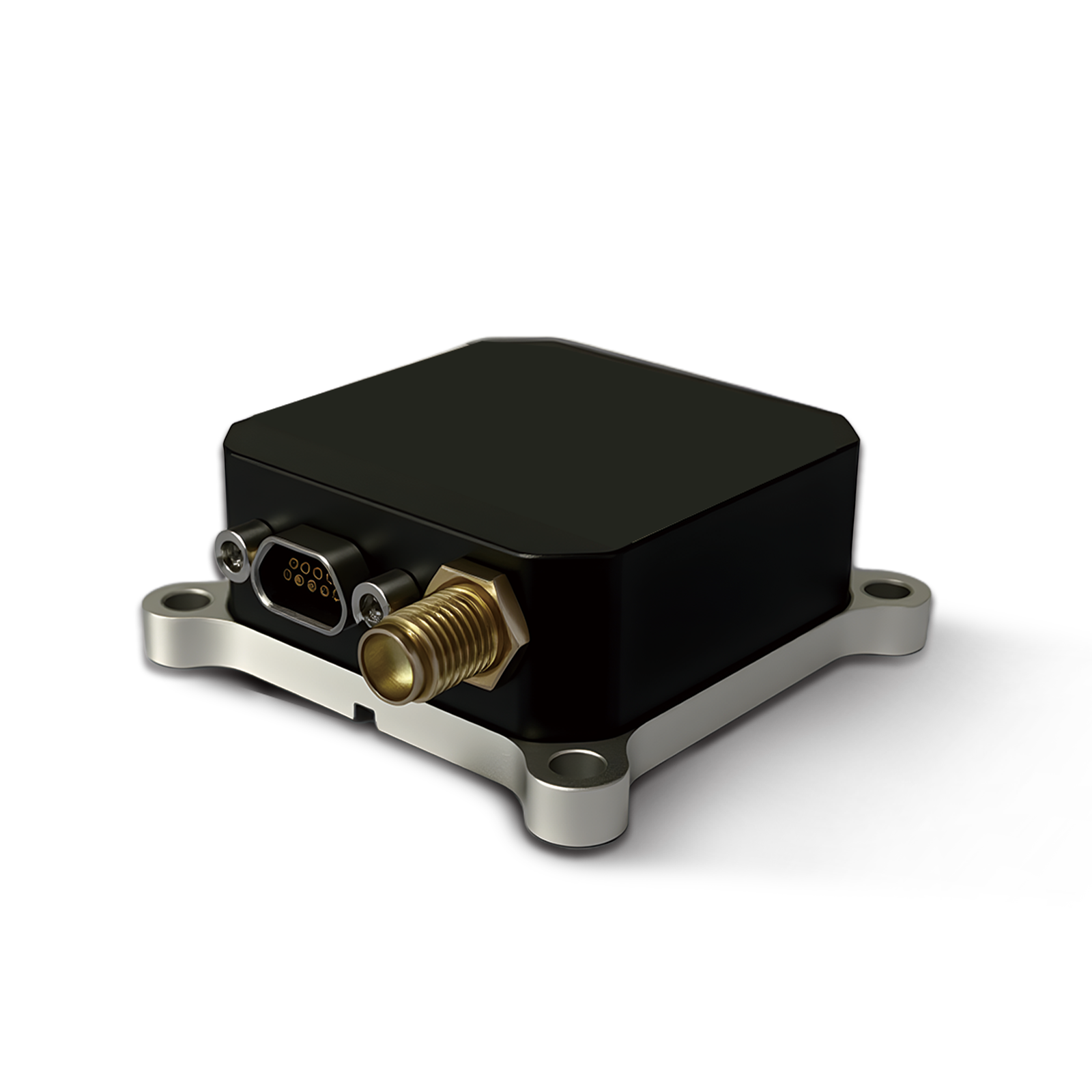 150M
150M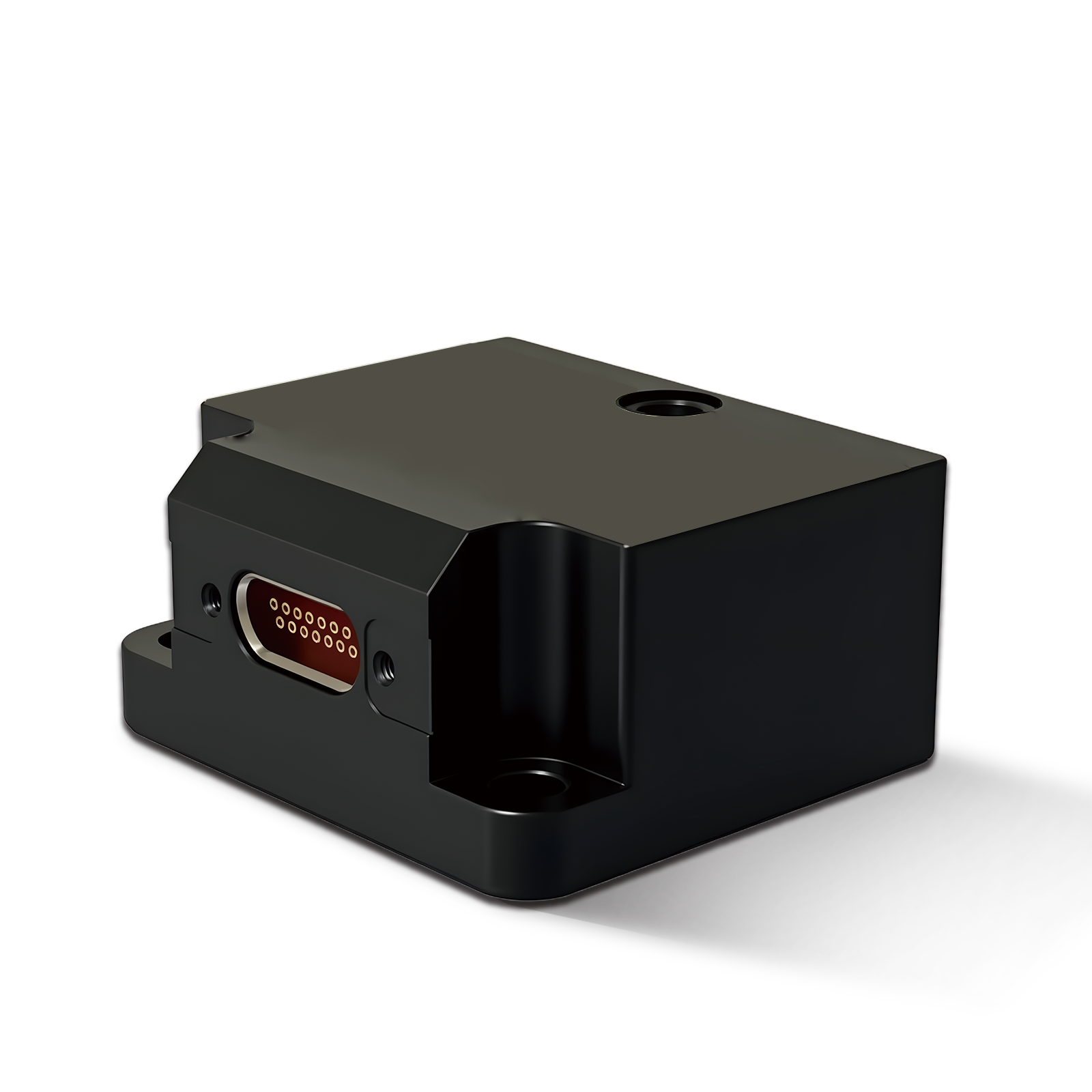 500MH
500MH 160M
160M 170M
170M SLFC-70
 SLAF280
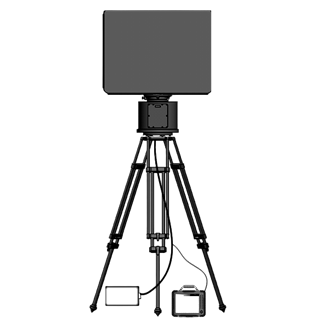 MR360
MR360





Fiber Optic Gyroscope (FOG) in Radar and Optoelectronic Tracking Systems
Fiber optic gyroscope (FOG) plays a key role in radar and optoelectronic tracking systems due to its high accuracy, no mechanical wear and strong anti-interference ability. It is mainly used for precise positioning, stability control, target tracking and attitude measurement. The main applications and technical advantages of FOG in these systems are listed below.
1. Application of fiber optic gyroscopes in radar systems
Radar systems are typically used to detect, range and track targets, while FOG is primarily used to improve the stability and tracking accuracy of the radar antenna.
(1) Radar antenna stabilization and precise guidance
● High-precision altitude measurement: Radar antennas need to be pointed at the target to remain stable, and FOG can provide high-precision angular rate information to correct angular errors caused by vibration, wind speed change or swaying of moving platforms (eg ships, aircraft).
● Dynamic Target Tracking: FOG combined with the servo control system provides precise radar guidance when **tracking** high-speed moving targets (e.g. combat aircraft, missiles)**.
(2) Radar inertial navigation on mobile platforms
● Marine radar: The marine environment is complex, the rocking of the ship on the waves will affect the accuracy of the radar, FOG can provide real-time angular velocity data to compensate for the change in orientation, so that the radar can stably aim at the target.
● On-board Radar: During maneuvers, the aircraft's heading changes significantly, and FOG combined with the Inertial Navigation System (INS) provides precise positioning and ensures that the radar maintains stable tracking during high-speed flight.
(3) Ground-based radars and air defense systems
● Fire Control Radar: Used in air defense systems, FOG helps the radar accurately target approaching targets and improves interception accuracy.
● Phased array radar: Although the phased array radar is based on electronic scanning, the antenna base still needs to be stable, and FOG can improve the mechanical stability.
2. Application of Fiber Optic Gyroscopes in Optical Tracking Systems
Optical tracking systems use **optical sensors (infrared, visible, laser)** for tracking, control and target guidance, in which FOG plays a central stabilizing and tracking role.
(1) Optical head stabilization control
Optical Gimbal (EO/IR Gimbal) is widely used in military reconnaissance, UAV, security surveillance and so on. The main requirement is to maintain the stability of the optoelectronic device on the moving platform:
● Anti-vibration shaking: FOG can detect the angular velocity of the platform in real time and control the servo motor to compensate for it, so that the photoelectric sensor remains stable.
● Precise pointing: When the optoelectronic device is searching for the target, FOG provides high-precision angular velocity information, which makes the pointing more accurate and reduces errors.
Application Scenarios:
● Optical Capsule for UAV: UAVs are affected by air currents during flight, FOG ensures stable imaging of optical sensors.
● Ground/vehicular optronic platforms: e.g. border control, anti-UAV systems requiring high precision target tracking and monitoring.
● Ship/air photoelectric tracking equipment: used for maritime patrol or target designation for fighters to enhance the stability of photoelectric detection systems.
(2) Tracking and target acquisition
● Automatic Target Tracking: FOG combines image processing algorithms to accurately track moving targets such as missile defense systems and battlefield reconnaissance.
● Anti-aircraft weapon guidance: such as anti-aircraft guns, laser weapons, FOG is used to quickly calculate the angular velocity of the target and improve the shooting accuracy.
(3) Autonomous guidance of missiles and drones
● Laser-guided missiles: FOG ensures that the guidance system does not lose track of the target during flight, improving accuracy.
● UAV Weapons Module: FOG enables the UAV to stably track targets even when maneuvering at high speeds and helps deliver precision strikes.
3. Advantages of fiber optic gyroscopes in radar and optoelectronic systems
|
parameters |
Advantages of FOG |
|
high precision |
The angular velocity accuracy of 0.01°/h or better ensures stable pointing of radar/optical equipment on the target. |
|
No mechanical wear |
Compared with mechanical gyroscopes, FOG has a long service life and is suitable for long-term use. |
|
High noise immunity |
It can work normally under high vibration and strong electromagnetic interference environment, suitable for military applications. |
|
real-time response |
Low latency for high-speed target tracking, such as in missile defense systems. |
|
Miniaturization and integration |
Can be installed on small drones, portable reconnaissance equipment. |
4. Future development trends
● Higher accuracy: The accuracy of FOG will be further improved and reach 0.001°/h, which will enhance the stability of the electro-optical/radar system.
● Low Cost: New integrated optics technology reduces the cost of FOGs and makes them accessible to a wider range of civilian applications.
● AI+FOG fusion: fusion of artificial intelligence to achieve intelligent target recognition and automatic tracking, and enhance the autonomy of the system.
Fiber optic gyroscopes play an important role in radar and electro-optical tracking systems and will be used more widely and accurately in the future as technology advances.